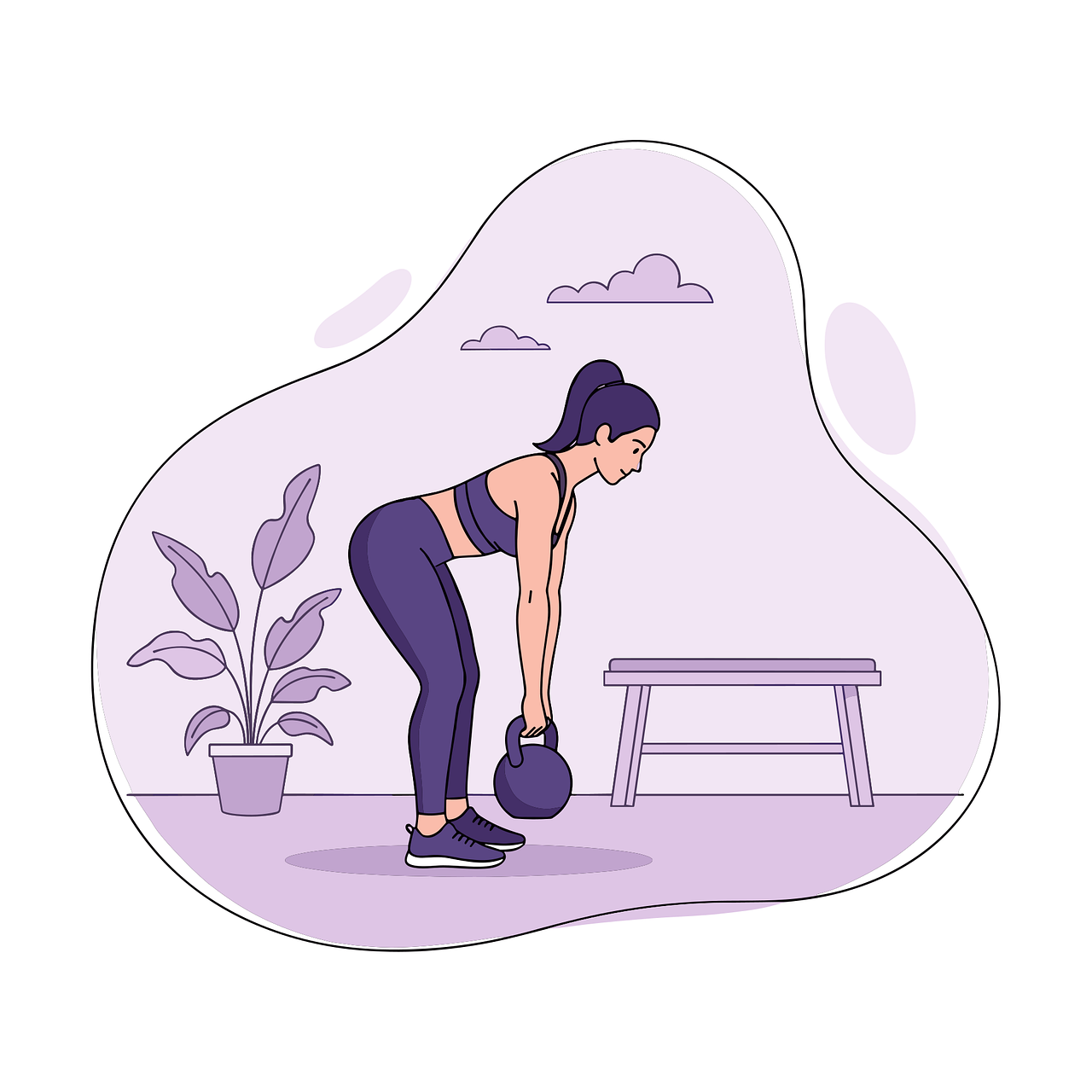

Knee and Lower Back Mobility Exercises for Triathletes
For triathletes, maintaining knee and lower back mobility is vital for optimal performance and injury prevention. Incorporating specific exercises into your training regimen can significantly enhance joint flexibility and range of motion. A well-structured mobility routine not only prepares your body for the demands of swimming, biking, and running but also promotes recovery and reduces tightness. Regularly practicing these exercises can alleviate strain, enhance muscle function, and improve overall athletic efficiency. Focus on mobilizing both the knee and back as they work in tandem during triathlons. Additionally, an improved range of motion can lead to better biomechanics during each segment of the race. For the best results, allocate at least 10-15 minutes on your rest days to perform dynamic stretches and mobility exercises. These sessions can also aid mental preparation, helping you feel more connected to your body. Invest time in mastering techniques that target major muscle groups, like hip flexors and hamstrings. Incorporating these practices provides significant returns in the form of better performance, increased endurance, and reduced injury risk throughout your triathlon career.
Importance of Flexibility and Mobility
Flexibility and mobility are key for improving athletic performance, especially for triathletes who are involved in multiple disciplines. Increased flexibility allows for greater stride length while running, more efficient stroke mechanics in swimming, and a comfortable posture during cycling. Athletes often overlook the significance of targeted mobility exercises, but they play a critical role in maintaining joint health and preventing overuse injuries. Poor flexibility can lead to tight muscles, affecting your entire kinetic chain and resulting in compensatory movements that may cause injuries. Moreover, mobility exercises can enhance blood circulation and nutrient delivery to muscles, promoting quicker recovery. Effective mobility routines not only contribute to overall performance but also aid in stress relief, ultimately benefiting mental resilience during intense triathlon training. Reward your body by incorporating both static and dynamic stretches into your routine. Dedicate specific days for mobility only, emphasizing importance alongside strength training and endurance workouts. Small consistent changes can yield long-lasting improvements. Setting realistic goals for flexibility can encourage you to stay committed and foster better performance over time. Strengthening your mobility can enhance both your athleticism and enjoyment in training and racing.
One of the most effective exercises for improving knee and lower back mobility is the hip flexor stretch. This exercise targets tightness in the hip region, which can affect your lower back and knees. Begin in a lunge position, ensuring that your front knee is over your ankle. Gently push your hips forward to feel a stretch in the hip flexor of your back leg. Hold this position for at least 30 seconds, feeling the stretch deep in your hips, then switch legs. Another beneficial exercise is the cat-cow stretch, which promotes flexibility in the spine. Start on all fours, with your wrists aligned under your shoulders and your knees under your hips. Inhale as you arch your back, dropping your belly towards the floor; exhale and round your back towards the ceiling. This movement helps to mobilize the pelvis and spine, improving lower back functionality and flexibility. Incorporate these exercises into your warm-up routine, making them a staple for all training sessions. By developing knee and lower back mobility through consistent practice, you can enhance your overall performance and mitigate possible injuries.
Incorporating Stretching Techniques
Integrating various stretching techniques into your mobility routine is essential for triathletes focusing on knee and lower back health. Begin with dynamics stretches, which are best performed before workouts as they increase blood flow and prepare muscles for activity. Examples include leg swings and torso twists. These movements activate the muscles you’ll engage during your triathlons. Post-training, static stretching helps alleviate muscle tightness and encourages recovery. Target areas such as the hamstrings, quadriceps, glutes, and lower back. Focus on holding each stretch for at least 30 seconds, allowing gentle elongation of the muscles. Another effective technique is foam rolling, which helps release fascia and improve muscle recovery. Incorporate foam rolling into your routine before mobility exercises to enhance muscle performance. While self-mobility is essential, working with professionals such as physical therapists can provide tailored strategies specific to your needs. Developing customized stretches based on your injury history can yield the best outcomes for enhancing function. Prioritize stretching and rolling as part of a strategic approach to maintaining mobility effectively. Your body will benefit immensely, offering durability and resilience across all triathlon distances.
The glute bridge is another remarkably effective exercise for enhancing mobility and strength in the lower back and knees. It targets the gluteal muscles and enhances lumbar stability. Start by lying on your back with your knees bent and feet flat on the ground, hip-width apart. Push through your heels to lift your hips toward the ceiling, squeezing your glutes at the top of the movement. Hold for a moment before returning to the ground, performing 12-15 repetitions. This is an excellent exercise to integrate into both your warm-up and cool-down routines. Similarly, the knee-to-chest stretch effectively targets tight lower back muscles. From a lying position, pull one knee towards your chest while keeping the other leg extended straight. Hold this position for 20-30 seconds, then switch legs. This exercise also promotes relaxation in the lower back and improves flexibility. By consistently integrating these exercises into your training, you can expect tremendous benefits over time. Consider documenting your progress in a training journal, noting improvements in mobility and performance metrics. This reflective practice assists in retaining motivation and enhances your journey in triathlon training.
Building a Consistent Mobility Routine
For triathletes, establishing a consistent mobility routine is critical for achieving optimal knee and lower back flexibility. A well-structured plan should involve dedicating specific days for mobility work, ideally aligning with rest or easier workout days. Start your routine with a few dynamic stretches to warm up and prepare the body. Following this, opt for a series of static stretches targeting key areas such as the hips and lower back. The frequency of performing the same mobility exercises can help deepen flexibility over time. Aim for three to four times per week to achieve noticeable improvements. Additionally, you can incorporate short mobility sessions after regular workouts, targeting specific muscle groups that feel tight. Using techniques like visualization can further enhance your routine, mentally preparing you for extensive Triathlon training sessions. Progressively increase your stretch durations as flexibility improves for lasting results. Set periodic assessments to track your mobility journey, helping you feel motivated and engaged in your training. Consider reassessing your flexibility every few months to observe improvements. Furthermore, experimenting with different mobility tools like resistance bands or massage balls may also enhance your routine.
When it comes to long-term strategies for enhancing knee and lower back mobility, consistency is essential. It is easy to neglect mobility work when focusing on endurance and strength training. Nonetheless, prioritizing this aspect of training will contribute to long-term success and injury prevention. One effective method to stay accountable is to pair mobility work with other training sessions. For example, perform a short mobility routine before each swim, bike, or run session. Furthermore, utilizing fitness apps can help remind you of your commitment and set reminders for mobility training. Emphasizing the importance of rest and recovery is equally crucial, as stretching can help alleviate tension and soreness post-exercise. Keep track of your feelings during and after workouts, paying particular attention to areas of tightness or discomfort. These insights will guide adjustments in your mobility routine, tailoring it to your most pressing needs. Through active engagement in stretching and mobility exercises, you can enhance overall satisfaction with your training regimen. With a commitment to maintaining knee and lower back flexibility, you will boost your performance and ensure a healthier trajectory on your triathlon journey.
Conclusion
In conclusion, dedicating time to knee and lower back mobility exercises is a fundamental part of triathlon training. Triathletes can significantly benefit from enhanced flexibility and movement efficiency, leading to improved performance across all race components. Prioritizing exercises such as hip flexor stretches, glute bridges, and foam rolling can help prevent injuries, allowing athletes to train longer and harder. Additionally, actively incorporating mobility routines into daily training is integral to promoting physical and mental well-being. Cultivating a habit of stretching can lead to increased enjoyment in sports. Remember, findings indicate that the best performances come from athletes who value mobility and flexibility as much as strength and endurance. By adhering to this principle, you will cultivate sustainable training habits, ultimately leading to success in your triathlon journey. Explore new techniques periodically, considering variations to keep your routine fresh and engaging. Lastly, celebrate the incremental progress you make, as every small improvement contributes to a larger goal. Focusing on consistent mobility practice is not just about physical capacity but will also enhance your overall psychological approach to competition.