
Senior Stretching Exercises to Improve Digestion and Circulation
As we age, maintaining flexibility and mobility becomes increasingly important. Stretching exercises can significantly benefit seniors, particularly in improving digestion and circulation. Incorporating a few simple routines into your daily regimen can make a noticeable difference. Stretching helps improve blood flow, which is crucial for overall health. Eventually, this increased circulation can lead to optimal organ function. It also aids in nutrient distribution throughout the body, enhancing digestion capabilities. Seniors often experience tightened muscles, which can lead to discomfort. Regular stretching routines help alleviate this issue. Simple stretches target the torso, hips, and legs, improving flexibility where it is often lacking. Therefore, make it a point to set aside time for these exercises. Not only do they promote physical well-being, but they also offer mental clarity as well. You do not need to engage in vigorous exercise; instead, gentle stretching can be enough to yield benefits. As you incorporate these stretches, listen to your body and adjust as needed to prevent injury. For optimal benefits, consider consulting with a physical therapist specialized in senior fitness.
Before diving into the specific stretching exercises tailored for seniors, it is essential to understand their potential benefits. Stretching routines are not merely about flexibility; they also play a crucial role in enhancing one’s digestion. By incorporating stretches into your day, you stimulate various internal organs. Improved blood circulation is often a byproduct of these gentle movements. When circulation improves, nutrients and oxygen reach the organs more efficiently, contributing positively to digestive health. Many seniors face issues such as constipation or bloating, which can often be alleviated through stretching. A good routine can initiate and regulate digestive processes by increasing gut activity. Also, stretching can help reduce stress and tension, both of which have a significant impact on your digestive system. Stress can lead to various gastrointestinal problems, making it vital for seniors to manage stress levels. Gentle stretches keep muscles loose and relaxed, reducing tension throughout the body. Various senior-friendly positions can be effectively utilized. Before starting any new exercise program, it’s suggested that seniors consult their physician to ensure safety. Therefore, embracing a commitment to regular stretching provides numerous benefits.
Gentle Stretches to Enhance Circulation
Integrating gentle stretches can effectively enhance circulation in seniors. One effective stretch involves the arm stretch, where you extend your arms overhead and gently bend side to side. This simple movement encourages blood flow to the upper body. You can perform it seated or standing, both fostering mobility. Another beneficial exercise is the neck stretch, where you slowly tilt your head towards each shoulder. This movement releases tension and promotes circulation to the brain. Consider incorporating ankle circles, which can also improve circulation by loosening any stiffness. While seated, slowly rotate your ankles in circles in both directions. This activity aids blood flow to the lower extremities. The seated forward bend is another valuable exercise, as it improves flexibility in the spine while stimulating digestive organs. You move forward gently while seated and reach toward your toes. Older adults should focus on smooth movements rather than pushing their limits. Each stretch should be held for 15-30 seconds, allowing for adequate blood flow. Consistency with these routines will yield improvements in mobility and overall health. Challenge yourself as you build confidence with each stretch.
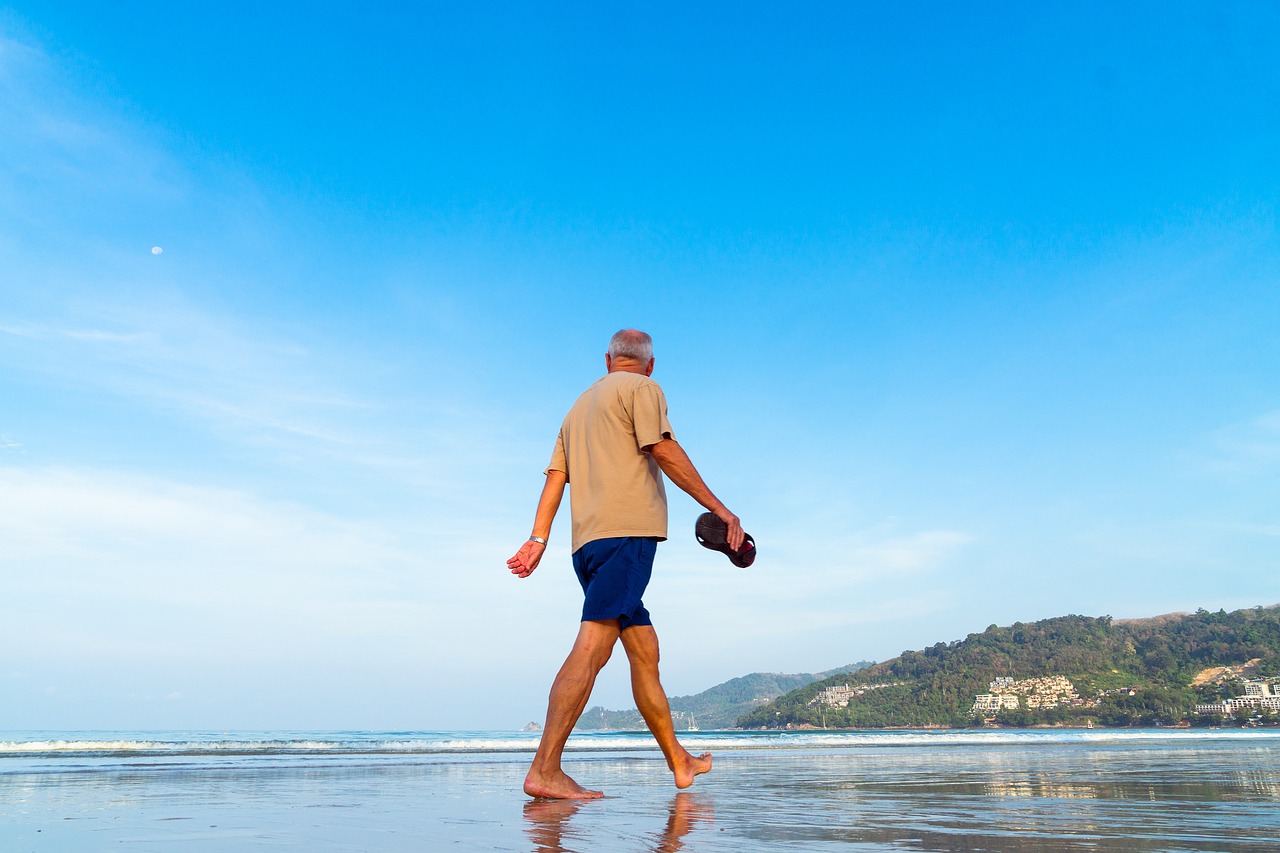
A common misconception is that stretching alone is sufficient for comprehensive health improvement. While beneficial, it is even more effective when combined with light aerobic activities. Activities like walking, swimming, or cycling can optimize blood circulation significantly. Light aerobic exercise increases the heart rate, thereby enhancing blood supply to the muscles and organs. Walking is particularly effective, and doing it outdoors combines stretching efforts with fresh air. This not only improves physical health but also boosts mental well-being. For seniors, maintaining a balanced routine can help combat age-related conditions. A combined approach offers enhanced benefits over isolated stretching sessions. Adding strength and flexibility training to your regimen can balance your exercise chart. Additionally, engaging in mindful practices, such as yoga or tai chi, can complement stretching efforts. These practices not only promote circulation but also enhance body awareness. This awareness is essential for preventing potential slips and falls. As one builds strength, it generally leads to improved functionality in daily tasks. Being aware of surroundings enables safer navigation. Therefore, combine these exercises and schedules for a holistic approach to health.
Safety Tips for Effective Stretching
Ensuring safety while stretching is vital for seniors looking to improve digestion and circulation. Start slowly and never rush into stretches. It’s important to know your body’s limits and not push beyond them. Always incorporate warm-up exercises before starting your stretching routine. These light movements help prevent injury by gradually preparing your muscles. Use supportive props, such as a chair, wall, or cushion, to provide stability as you perform these exercises. Never hesitate to modify a stretch to suit your comfort level. In cases of discomfort or pain, it’s crucial to stop immediately. Pay close attention to your breathing; it should be steady and calm throughout the stretches. Hold stretches without bouncing for better effectiveness as well. Engaging in mindfulness while stretching can also bring benefits. Concentrate on relaxing your mind to reduce tension ultimately. In addition, consider practicing with a partner; having someone nearby can provide motivation and accountability. A buddy system also promotes a social environment, making it more enjoyable. Always hydrate after the routine, as this is essential for muscle recovery and circulation.
Incorporating these simple stretching routines into daily life represents an effective strategy for seniors to improve digestion and circulation. Regularity is key; aim for at least four to five times per week. Start with a 10-15 minute routine before gradually increasing time as comfort grows. Seek to establish a consistent schedule, which can help to create permanence in routine. Utilize reminders or even set appointments with yourself to ensure you do not skip on your wellness journey. As you progress, you may feel increased flexibility and enhanced blood flow, leading to improved overall health. Celebrate each small victory along the way; this can help maintain motivation. Engaging in a supportive community or group can provide additional encouragement. Share your experiences with other seniors involved in the same journey. Additionally, exploring various forms of stretching may uncover new favorites and prevent routine fatigue. This practice may improve social connections alongside the physical benefits. Remember that every bit counts; even short stretching sessions can be effective. Focus on enjoying the process rather than pushing for perfection in performance. Prioritize your safety and well-being above all else as you enjoy the transformative benefits.
Conclusion: Embracing a Healthier Lifestyle
Embracing a healthier lifestyle through stretching leads to long-term advantages for seniors. Reflecting on your progress frequently reinforces the benefits of these daily routines. Improvements, seen or felt, will motivate you to continue on this health journey. The crucial focus goes beyond physical activity; a holistic approach should be adopted. Incorporating a balanced diet alongside daily exercise will enhance your results significantly. Proper nutrition is an essential component of supporting digestion and maintaining energy levels. Stay hydrated and consider consulting a nutritionist, as they can provide tailored advice specific to seniors’ needs. Partnering lack of physical activity with healthy eating habits will slow the aging process more effectively. In addition to awareness of physical needs, consider involving mental strategies. Engage in mindfulness or meditation practices to connect the mind and body. Regularly allow time for relaxation to alleviate stress. This collective approach can facilitate overall health and well-being. The journey of improvement is continuous; invite others to join you through group activities or classes. Reach out to friends, family or even local communities to partake in the positive changes together!