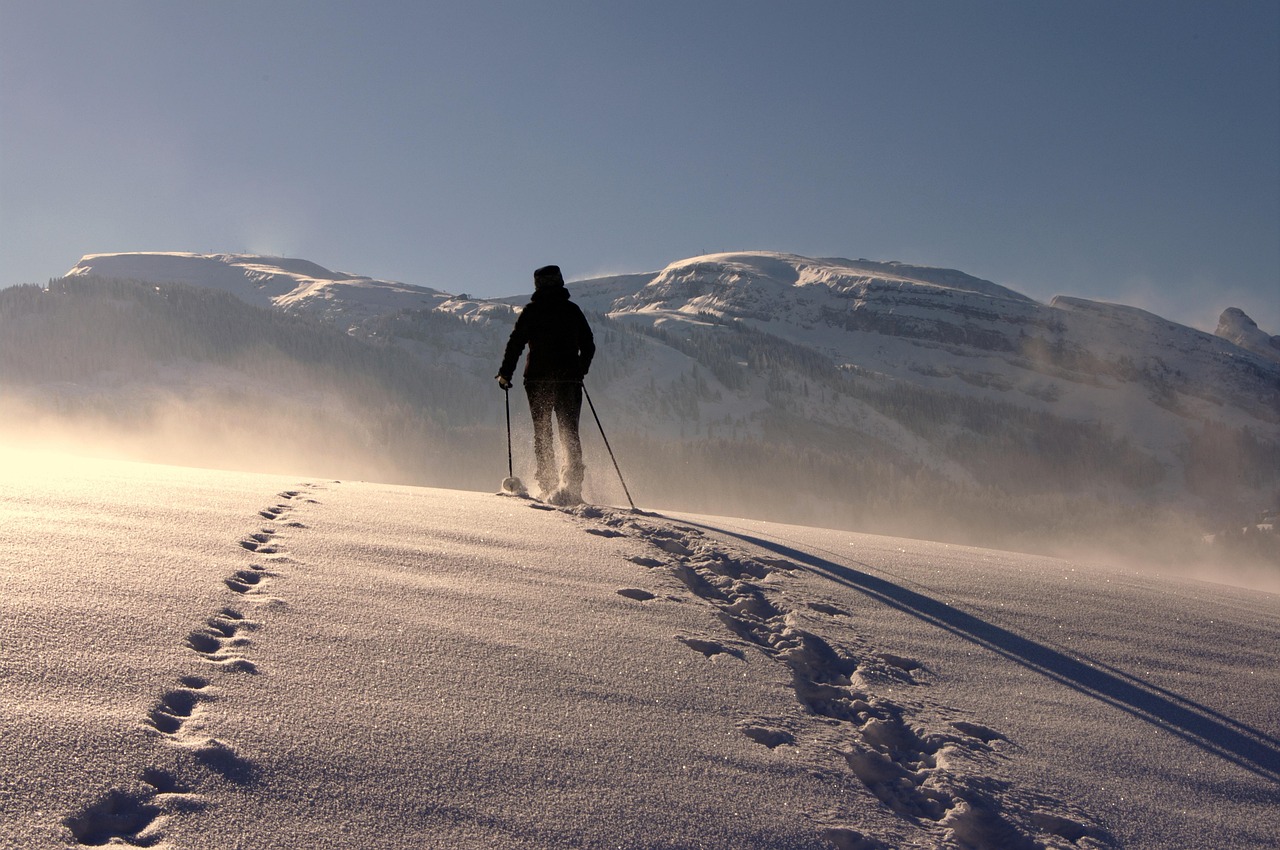

Snowshoeing Safety: How to Prepare for Winter Conditions
Snowshoeing can be a thrilling way to experience winter landscapes, but safety must always come first. Before heading out, ensure you have the proper gear, including snowshoes that fit well and keep you comfortable while walking. Consider a sturdy pair of waterproof boots to keep your feet warm and dry. Layering your clothing can help manage body temperature as you move, so wear moisture-wicking fabrics next to your skin. Don’t forget a warm hat and gloves, which are essential for staying warm. Also, keep a backpack with essentials such as snacks, a first-aid kit, and a map of the area. Remember that the weather can change quickly in winter, so always check the forecast before venturing out. Preparing for the terrain is also vital. Familiarize yourself with local trails, and consider bringing a friend or family member along for safety. Lastly, always inform someone about your plans, including your expected return time. By taking these precautions, you can enjoy snowshoeing safely while exploring the beautiful winter wonderland around you.
Another key aspect of snowshoeing safety is knowing how to navigate snowy environments effectively. Winter trails can be treacherous, with hidden obstacles beneath the snow. Always pay attention to the trail markers if applicable, as they will guide you and signal where to go. Make sure you can identify natural landmarks, which can assist in avoiding getting lost in unfamiliar areas. Using navigation tools like a compass or GPS device can significantly improve your orientation. Be aware of potential hazards such as avalanches, especially in mountainous regions or when traversing steep slopes. Avalanche safety gear, including a beacon and shovel, can be lifesaving if you are venturing into such areas. Keeping your group together and moving at a pace that everyone can handle is crucial. Take breaks when necessary to hydrate and refuel. It’s also beneficial to acquaint yourself with basic first-aid skills to assist in any emergencies. Maintaining good communication with fellow adventurers throughout the trek is essential for managing safety efficiently. By being proactive about navigation, you can enhance your overall experience while snowshoeing.
Understanding Weather Conditions
Weather conditions play a significant role in ensuring your snowshoeing experience is both enjoyable and safe. Winter weather can affect visibility and the condition of the trails. Always check the local weather reports before heading out. If heavy snow or storms are anticipated, it might be best to postpone your outing. Wind chill factors can also create dangerously cold conditions, so understanding the temperature feels like considering wind speed is crucial. On colder days, ensure you have proper thermal layers that allow for insulation and movement. Watching for possible storms while out can help you gauge when it’s time to head back. Cloud cover can also impact temperatures significantly; breaking clouds may let through sunlight and raise the temperature suddenly, potentially leading to melting. Exposure to sunlight, even in winter, can lead to sunburn or frostbite in extreme cases. Do not forget to use sunscreen or protective lip balm. Properly preparing for potential weather changes is essential. If conditions worsen, prepare for the likelihood of an early return to safety.
Equipping yourself with knowledge about your surroundings can heighten the enjoyment of snowshoeing. Researching the area beforehand allows for better planning, such as knowing trail distances and elevations. Certain trails may be more suitable for beginners or advanced snowshoers depending on elevation gain and hazard levels. Understanding terrain conditions allows you to choose how strenuous the hike will be. Slippery or steep sections can test your skills, so develop techniques for maintaining balance and stability. When traversing difficult trails, consider utilizing walking poles for support. They can significantly enhance stability and reduce strain on your knees. Always remain aware of your surroundings; wildlife can be active in winter, and spotting it can be a thrilling aspect of your journey. Moreover, following Leave No Trace principles ensures the natural spaces remain preserved during your adventures. This commitment fosters a deep respect for nature, enhancing the outdoor experience for everyone. Keeping informed about local guidelines aids in practicing responsible snowshoeing while protecting the environment. Consider using apps or guidebooks that cater to winter activities, offering valuable insights on terrain and conditions.
Basic First-Aid and Emergency Preparation
Having a solid plan for emergency situations is critical during any outdoor adventure, particularly in winter. Accidents can happen, and being prepared can make a difference. Always carry a first-aid kit, complete with items such as band-aids, antiseptic wipes, and blister treatments. Additionally, if anyone in your group has specific medical needs, ensure those medications are packed. Knowing how to manage minor injuries can empower you and your companions. Basic first-aid training, which covers treating cuts, sprains, or hypothermia, is essential for outdoor safety. In severe weather or emergencies, having a whistle can alert rescuers to your location. While cell phones may provide a safety net for communication, they can be unreliable in remote areas. Consider bringing a portable charger for backup. If someone becomes injured or stranded, know how to set up a shelter or signal for help. Familiarize yourself with the local search and rescue protocols, too. Creating a checklist of necessary items before your trip can assist you in staying prepared for the unexpected, allowing for a safer snowshoeing experience.
Alongside safety precautions, maintaining a positive mindset can enhance your snowshoeing experience. Consider setting realistic goals for your trip based on the group’s skill level and physical condition. Much of the enjoyment from outdoor activities comes from appreciating the surroundings and being fully present in the moment. Focusing on enjoyable aspects, such as beautiful scenery, wildlife observations, and friendly conversations with group members, can create lasting memories. Celebrating small milestones, whether it’s completing a certain distance or reaching a scenic lookout, boosts morale. Participating in a group snowshoeing activity can be particularly rewarding, as camaraderie can enhance the experience. Sharing stories and experiences with others fosters connections and deeper enjoyment of nature. Moreover, remembering safety measures and preparing for unforeseen circumstances helps alleviate stress during your outing. Adopting a positive mindset ensures that regardless of challenges faced, the adventure remains memorable. Engaging with fellow adventurers about their snowshoeing experiences can provide valuable tips for your next trip. As you plan your activities, reflect on how much nature enriches your life and pursue those opportunities.
Post-Adventure Reflection
Finally, reflecting on your snowshoeing experience post-adventure is an essential practice that can help you grow. Take the time to consider what went well and areas that could improve in terms of preparation and execution. Writing down your observations and learnings in a journal can reinforce your progress. Additionally, sharing experiences with friends or on social media can provide insights and tips to others interested in snowshoeing. Discussing shared goals for future outings with your companions can create excitement and a sense of teamwork. After a snowshoeing adventure, don’t forget to thank your friends for their company and support. Building and maintaining relationships with fellow adventurers can enhance your outdoor experiences in the future. Take the chance to revisit areas that intrigued you and made lasting impressions. Reflecting on your connection with nature strengthens your appreciation for the outdoor world. Snowshoeing is not just about the activity but about engaging with the environment and creating bonds with fellow participants. As you plan your next adventure, always carry the lessons learned and the joy captured in the moment.
In conclusion, ensuring safety while snowshoeing can significantly elevate your experience. By adhering to the outlined precautions and preparing carefully, you can enjoy breathtaking winter landscapes with confidence. Always prioritize safety, be aware of weather conditions, equip yourself with essential gear, and cultivate a positive mindset. Remember that the outdoor adventures you undertake provide moments of joy and personal growth. So before you head out, reflect on the preparations you’ve made and the plans ahead. No matter where you snowshoe, the beauty of winter awaits you!


