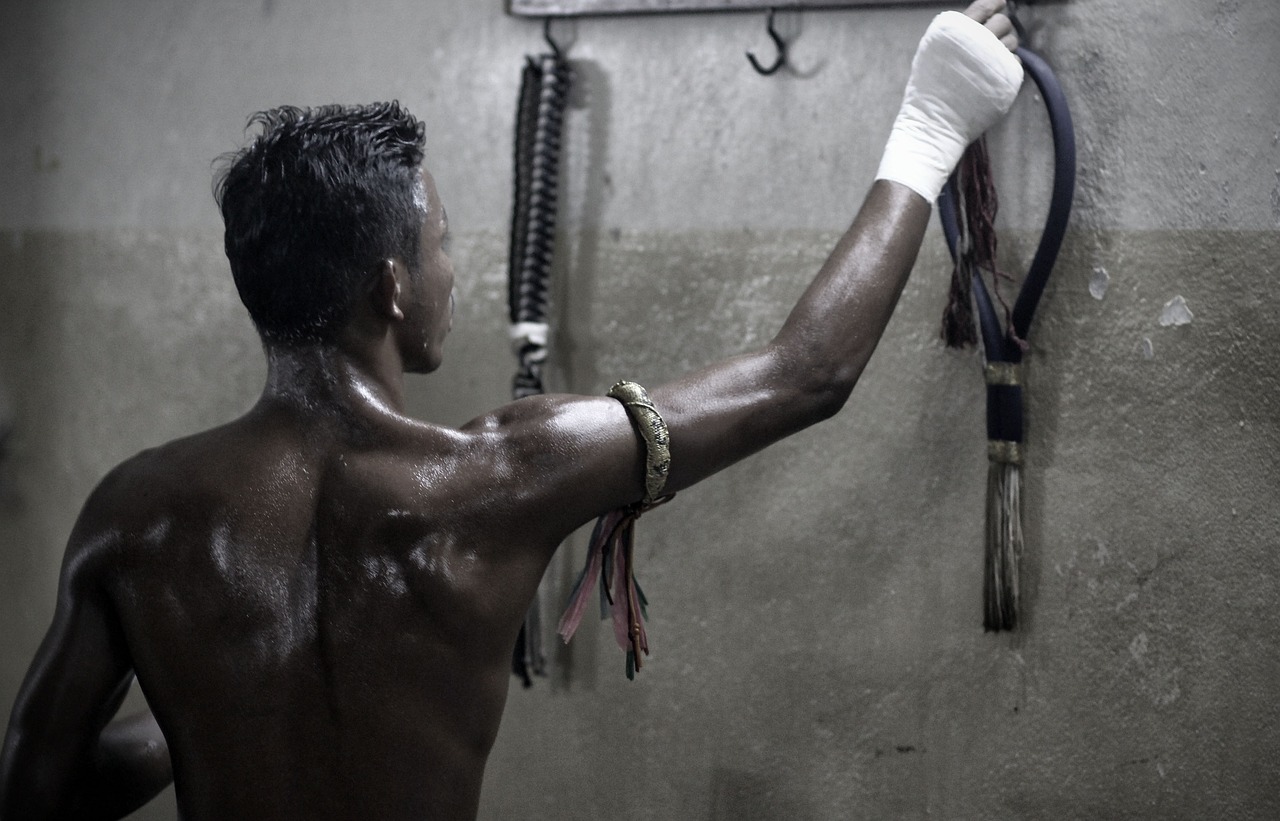

The Importance of Conditioning for Savate Fighters
Conditioning in Savate is vital for any fighter aiming to excel in this dynamic sport. It is not merely about physical strength; rather, conditioning incorporates flexibility, stamina, and mental resilience. Savate, often called French kickboxing, demands a unique blend of these attributes for optimal performance. For practitioners, rigorous training regimes focusing on cardiovascular health and muscle endurance have proven beneficial. Conditioning specifically helps fighters deliver powerful strikes while maintaining necessary footwork agility. A well-conditioned fighter can sustain not only longer matches but also maximize their potential to execute varied techniques under pressure. Furthermore, joint stability and muscle balance become increasingly important as fighters perform complex movements. Thus, consistent conditioning leads to fewer injuries and enhances recovery time. Goal-oriented approaches for improving conditioning include sprint intervals, resistance training, and flexibility exercises. This holistic training method not only boosts physical capabilities but also builds confidence in sparring scenarios. Each element of conditioning is crucial to developing the complete Savate fighter. Adequate preparation will ultimately allow for a more effective execution of techniques in the ring and a greater likelihood of achieving victory.
Effective conditioning extends beyond physical attributes; it is essential for mental sharpness. A conditioned fighter reduces fighting-related stress, thus enhancing focus during competition. Mental agility allows Savate fighters to adapt quickly to opponents’ techniques, which is pivotal in high-stakes bouts. During matches, fatigue can cloud judgement and diminish strategic decision-making. Therefore, integrating mental exercises into training, such as visualization techniques or meditation, can substantially improve overall performance. Furthermore, setting measurable and achievable conditioning goals assists pilots in maintaining focus throughout their training regimen. An athlete engaged in their progress reports experiences heightened motivation and a greater sense of purpose. Conditioning can also reinforce discipline, an essential aspect in competitive environments. Discipline exhibits through strict adherence to training schedules, rest periods, and nutritional needs. Fighters must sustain appropriate energy levels to not just endure but also dominate in their exchanges. Building mental toughness alongside physical conditioning ensures that fighters can endure the rigors of competition. Ultimately, balance between conditioning and strategy emerges as vital in the Savate fighting world. With these critical components harmonized, fighters become formidable adversaries capable of outpacing and outsmarting their rivals in the ring.
Core Strength and Agility
In Savate, the significance of core strength cannot be overstated, as it serves as the foundation for power and balance. A well-conditioned core facilitates movement efficiency while executing kicks and defensive maneuvers. To maximize performance, fighters should engage in specific core training exercises, including planks, Russian twists, and leg raises. Ensuring strength through the core allows for impactful striking while reducing the risk of injury. Additionally, coupling core training with agility drills can considerably enhance a fighter’s performance. Savate techniques heavily rely on quick footwork and the ability to change direction rapidly. Incorporating ladder drills, cone drills, and shadow boxing in training sessions can nurture these essential skills. Core strength contributes to rotational power, which is crucial in delivering effective strikes. Conditioning tactics focusing on quickening responses also help when evading opponents’ attacks. Athletes can achieve synergy between speed and power through structured conditioning programs emphasizing both elements. Ultimately, conditioning centered upon core strength paired with agility drills is indispensable for Savate fighters, empowering them to perform at their peak, efficiently transitioning between offense and defense within the competitive arena.
Nutrition plays an equally critical role in the conditioning for Savate fighters, as optimal dietary choices fuel training efforts. A well-balanced diet enhances energy levels, recovery, and overall health, which underpins successful conditioning. Savate athletes should focus on consuming a mix of carbohydrates, proteins, and healthy fats to maintain their energy needs. Hydration is also an essential component, as dehydration can severely hinder performance. It is vital that fighters monitor their fluid intake, especially during intense training sessions or competitions. To sustain strength and endurance, incorporating nutrient-dense foods such as lean meats, whole grains, fruits, and vegetables fosters superior conditioning outcomes. Adequate consumption of vitamins and minerals also supports metabolic functions, which are crucial for fighters. Meal timing also contributes towards achieving optimal performance, as ensuring adequate fuel pre- and post-training is vital. Coaches should emphasize the significance of structured meal plans, reflecting individualized energy needs and preferences. By pairing a careful approach to nutrition with rigorous training, Savate fighters can effectively enhance their conditioning levels, equipping them for higher performance outcomes during matches. Adopting these dietary habits can also contribute to a healthier lifestyle off the mat.
Recovery Strategies
Proper conditioning encompasses not only training but equally prioritizes recovery strategies. Recovery ensures sustained improvements in performance and reduces the risk of injuries among Savate fighters. Fighters should incorporate practices such as stretching, foam rolling, and active recovery days into their routines. By implementing these strategies, muscle soreness can be alleviated while flexibility benchmarks can be achieved. Active recovery days often involve light aerobic activities, allowing the body to recharge without entering a state of complete rest. Additionally, getting sufficient sleep is key; it fosters muscle repair and hormone regulation linked to physical performance. Monitoring sleep quality ensures proper recovery from rigorous training sessions, further enhancing conditioning efforts. Another integrative aspect to consider is cross-training, which offers various physical activities that can help fighters recover while challenging their bodies differently. This approach aids in preventing overuse injuries and keeps training fresh and exciting. Implementing techniques such as contrast baths and massage therapy can further enhance recovery processes. Thus, integrating comprehensive recovery into conditioning ultimately supports a Savate fighter’s quest for enhanced performance and longevity in the sport, ensuring they can train consistently and effectively.
Evaluating progress is a quintessential part of a successful conditioning program for Savate fighters. Regular assessments provide athletes with insights into their physical capabilities and areas needing improvement. Tracking key performance indicators such as speed, power, endurance, and flexibility is crucial. This evaluation process may involve timing drills, measuring kick height, or monitoring sparring performance to assess growth. By documenting progress, it becomes easier to tailor conditioning programs to match personal goals and requirements. Furthermore, assessment allows for refining techniques and pinpointing physical deficiencies that require targeted intervention. Collaboration with coaches can also enhance this evaluation process, as their experienced insight proves critical. Setting short-term and long-term goals guides the training process while ensuring measurable development. Progress reviews not only motivate fighters but also build confidence as they observe tangible growth in their conditioning journey. These check-ins may also foster a supportive training environment, where fighters encourage one another while they strive for their individual goals. Ultimately, the combination of thorough evaluations aids Savate fighters in achieving a well-rounded conditioning program, contributing to heightened performance and competitive success.
Conclusion
In conclusion, effective conditioning is paramount for Savate fighters who aspire to excel in this combat sport. The integration of physical strength, agility, nutrition, mental resilience, recovery, and goal assessment creates a robust foundation for training success. By focusing on these areas holistically, athletes can enhance performance through strategic preparations. Conditioning cultivates not only physical attributes but also mental toughness, essential for navigating the challenges within the ring. Proper core strength further boosts power and balance, pivotal components for executing Savate techniques efficiently. Additionally, nutritional practices contribute significantly to overall health, performance enhancement, and recovery processes after intense training sessions. Recovery strategies ensure that fighters maintain peak conditions and prevent the risk of injuries that could sideline their efforts. Finally, regular evaluations establish a foundational loop of continuous improvement and performance tracking. Combining these elements into a comprehensive conditioning program equips Savate fighters with the tools necessary for success within their sport. With dedication, fighters can harness conditioning’s power to ensure they remain enduring, agile, and competitive on their journey towards becoming adept Savate practitioners.
Continuous refinements in conditioning practices lead to overall development in skills, ensuring that Savate fighters become ever more formidable opponents. As the sport evolves, so too should training methodologies, adapting to newer insights into physical and mental conditioning. Embracing innovation in conditioning practices will allow fighters to stay ahead of the curve in the modern arena of combat sports. By integrating these conditioning principles into their training regimens, Savate fighters can achieve impressive results while embracing a lifelong commitment to health and athletic excellence. The pursuit of peak conditioning reinforces the dedication essential for any fighter, cultivating resilience against the rigors of intense competition, and ensuring overall well-being long beyond their fighting career. As they progress, it is crucial for fighters to reiterate the importance of conditioning in achieving personal milestones and mastering Savate techniques. Ultimately, through disciplined training and an emphasis on conditioning, fighters can uniquely sculpt their journey within the realm of this beautiful sport. With every bit of improvement, they inch closer to attaining their competitive dreams.