
Top 10 Flag Football Strategies for Beginners
Flag football is an exciting and engaging team sport that prioritizes skill and strategy over physical contact. For beginners, understanding the fundamentals of playing is essential. Developing basic skills such as passing, catching, and flag pulling sets a solid foundation. Players should also grasp the importance of clear communication with teammates. Regular practice can enhance coordination and teamwork. Movements such as dodging, sprinting, and changing directions should be practiced often. Learning to read defensive strategies effectively can significantly impact the game dynamics. This helps players make better decisions during crucial moments. Adapting to various game situations results in enhanced play. Beginners are often urged to watch more experienced players to learn different strategies. Being observant allows beginners to pick up on subtle tactics, such as creating space for teammates or utilizing fakes to throw off defenders. Flag football relies on intelligent play, making strategic thinking just as important as athletic ability. Teams should also invest time in understanding different formations, as these greatly affect both offensive and defensive strategies. In summary, foundational skills, communication, and adaptability are key strategies for beginners.
One of the most effective strategies in flag football is mastering the basic plays, which sets the groundwork for advanced tactics. Familiarity with common plays helps beginners play confidently without reliance on complex strategies. Diving into simple offensive formations, like a 2-1-2 or a 3-1, allows for clear roles among players. Different formations can help in executing plays, allowing players to spread the field or stack for a stronger attack. This helps in tricking the defense and creating opportunities. Additionally, practicing execution of these plays during training sessions sharpens decision-making skills. Utilizing scripted drills focuses on learning each play well and understanding dynamic movements within the formation. Similarly, newcomers should prioritize learning plays designed to exploit weaknesses in a defense. For example, a ‘slant route’ often creates open space. Individual drills focused on enhancing route-running or ball-catching also come into play. Regular combinations of these plays can lead to successful execution during matches. Furthermore, learning to adjust plays based on defensive alignment is crucial. Becoming adaptable helps practitioners approach both offense and defense strategically. Hence, honing basic plays is fundamental to successful participation.
Understanding Defense in Flag Football
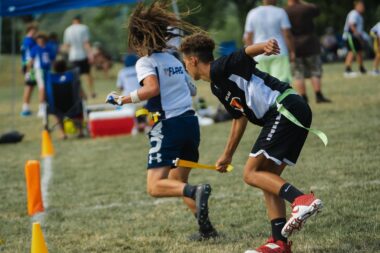
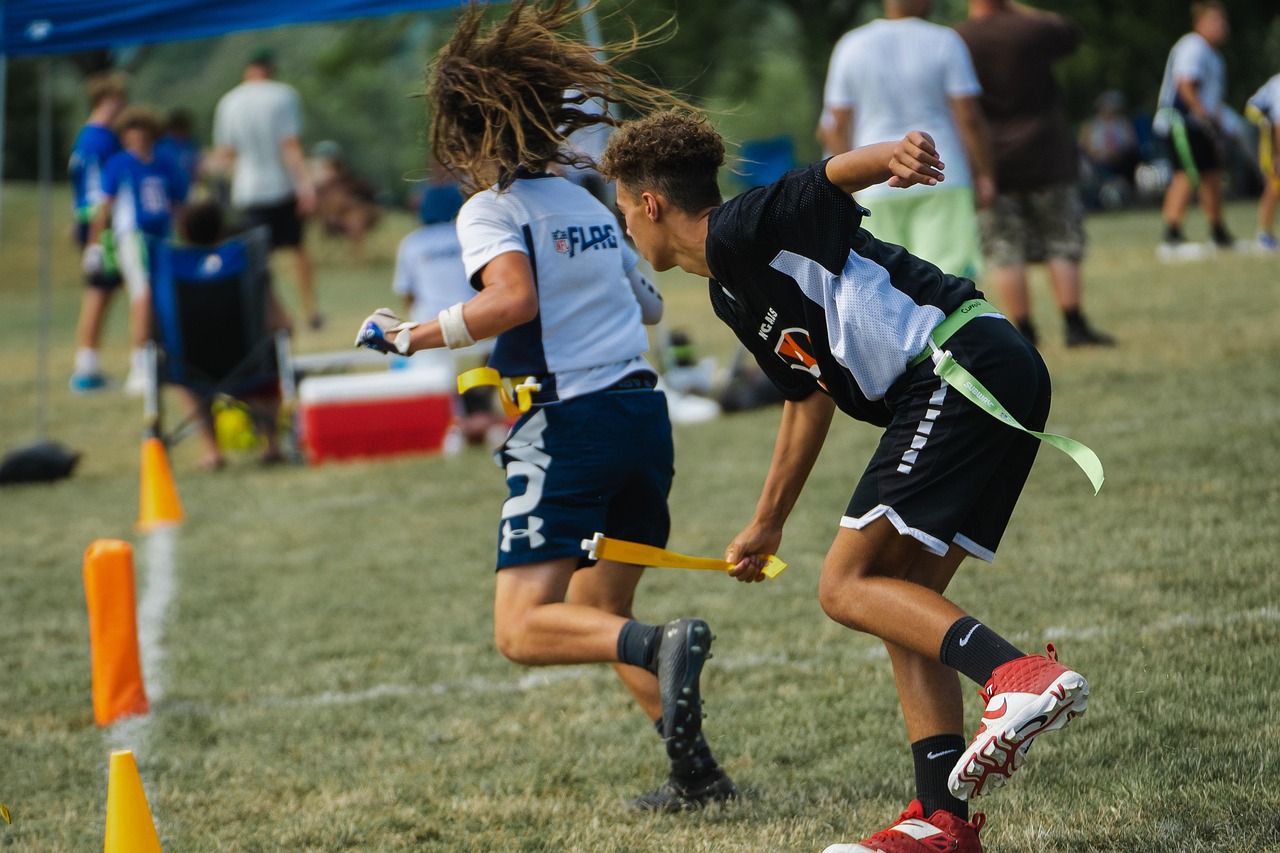
Just as offensive strategies are vital, defensive strategies hold equal importance in flag football. A good defense disrupts the opponent’s offensive rhythm while providing opportunities for turnovers. Beginners should emphasize specific defensive formations like man-to-man or zone coverage. Understanding the strengths and weaknesses of each formation is essential for creating a solid defensive strategy. For example, zone coverage involves defenders covering a specific space rather than chasing individual players, restricting the opposing team’s options. Defensive players must communicate effectively to ensure coverage assignments are clear. This provides a more cohesive effort in tackling offensive plays. Training should include drills focused on flag-pulling techniques, enabling defenders to practice tactics for successful execution. Speed and awareness are also critical components of effective defense. Practicing quick reaction times can lead to successful interceptions and broken plays. Moreover, defenders can learn to anticipate the offensive team’s next moves by watching for tell-tale signs in their setup. Each player being aware of their assignment reduces confusion on the field. Finally, promoting teamwork amongst defensive players enhances overall performance, fostering a unit that works seamlessly. Hence, a strong understanding of defensive roles solidifies team efforts.
Another key strategy is the use of effective communication throughout the game. Since flag football is a fast-paced team sport, players must verbalize strategies and adjustments quickly. Encouraging a culture of open communication fosters trust among team members. This builds teamwork and helps avoid misunderstandings during critical moments on the field. For instance, calling out play numbers assists in coordinating movements during a play. Additionally, developing hand signals or other non-verbal cues can streamline communication, especially in noisy environments. Players should practice these signals during practice to streamline execution during matches. It is also helpful to encourage player feedback regarding communication strategies, assessing their effectiveness and allowing room for improvement. Consistent communication ensures everyone is aligned with the team’s objectives, enhancing overall teamwork significantly. Furthermore, leaders within the team can establish clear channels for feedback, promoting accountability. This positive communication culture ultimately inspires greater commitment during games. As players amplify their use of effective dialogue and cues on the field, they will notice increased coordination and efficiency during plays. Hence, integrating communication into strategies elevates overall performance.
Specializing Roles Within the Team
Another essential strategy involves identifying and specializing player roles based on individual strengths. Effectively utilizing each player’s strengths can lead to a more efficient team. For instance, speedsters can excel as wide receivers, while agile players could be better suited for flag-pulling roles on defense. Understanding each player’s unique talents allows teams to assign responsibilities that fit their skills. Regular evaluation of player performance during practices can assist in refining roles as the season progresses. Additionally, specialization promotes confidence among players, leading to improved gameplay. Teams benefit from training strategies designed to improve individualized skills. For example, practicing routes specifically enhances the performance of receivers. Similarly, defenders can focus on flag-pulling techniques during drills to strengthen their game. Encouraging players to take ownership of their roles motivates them, reinforcing commitment to team objectives. Furthermore, it’s beneficial for teams to conduct regular assessments throughout the season to move players into different positions if necessary. Specializing roles not only increases individual performance but enhances team dynamics as well. Therefore, focusing on players’ strengths is a critical strategy that contributes significantly to overall success.
Understanding the fundamentals of teamwork is pivotal to overall success in flag football. Emphasizing the significance of collaboration can lead to better outcomes during matches. Practices should revolve around team-building exercises to foster camaraderie and trust among players. Activities that require communication, coordination, and problem-solving can strengthen bonds. For example, engaging in scrimmage games promotes real-time teamwork experiences, helping players understand each other’s playing styles and preferences. Incorporating drills that entail working in pairs or small groups allows players to engage consistently. This participation ultimately helps each other address weaknesses and celebrate improvements, spurring motivation. Coaches play an important role in guiding teams through this process, providing constructive feedback. Emphasizing support during tough moments conditions players to perform stress-free. Moreover, evaluating team performance after games can serve as a learning opportunity to identify areas for improvement together. Recognizing individual contributions during team discussions reinforces the importance of everyone’s role. Educating players about the importance of unity during gameplay promotes seamless cooperation. Therefore, teamwork serves as a core strategy vital for thriving in flag football while contributing to physical fitness and social enjoyment.
Continuous Learning and Adaptation
Finally, instilling a mindset of continuous learning is perhaps one of the most critical strategies for flag football success. Understanding that there are always avenues to improve fosters a culture of growth within the team. Coaches and players should focus on analyzing past performances diligently, identifying strengths and weaknesses. Reflecting on games helps players understand their personal contributions to the team. It is essential to seek feedback regularly from coaches and teammates to identify areas for improvement properly. Embracing learning opportunities from practice sessions will empower players to further develop their skills. Encouraging watch party sessions, where players can observe professional flag football games, inspires creative thinking and understanding of advanced strategies. As players progress through each season, setting personal and team goals promotes constant growth and adaptation. Challenging players to refine skills individually, as well as collectively, builds accountability. Additionally, incorporating newer plays and strategies regularly can keep practice sessions engaging. Reinforcement of a growth mindset ultimately cultivates resilience and determination. Overall, prioritizing continuous learning enhances overall performance and maintains enthusiasm for flag football. Therefore, dedicated continuous improvement is vital for both individual and team development.
Overall, the significance of implementing these strategies cannot be overstated in flag football. By mastering fundamental skills, utilizing effective communication, and promoting teamwork, beginners can lay strong foundations for successful experiences. Additionally, understanding defensive formations and specializing player roles enhances game engagement. Keeping a mindset focused on continuous learning further cultivates improvement and a love for the sport. Each strategy contributes uniquely to developing skills and understanding tactical play. It encourages enjoyment within the framework of friendly competition, leading to comprehensive personal and social growth. Through collaborative efforts and dedication, beginners will develop essential attributes, preparing them for greater challenges within the sport. Hence, becoming adept at flag football transcends mere competition and nurtures lifelong friendships and valuable life lessons. The beauty of sports lies in its ability to build communities. With practice, teamwork, and continued education on strategies, even beginners can excel and enjoy flag football. Ultimately, commitment to refining these strategies enables players to compete effectively and derive lasting satisfaction from their experiences. Embracing improvements in skills and personal growth fosters not only brilliance in performance but also strong bonds within the team.