
Ethical Implications of Discrimination Complaints in Professional Sports
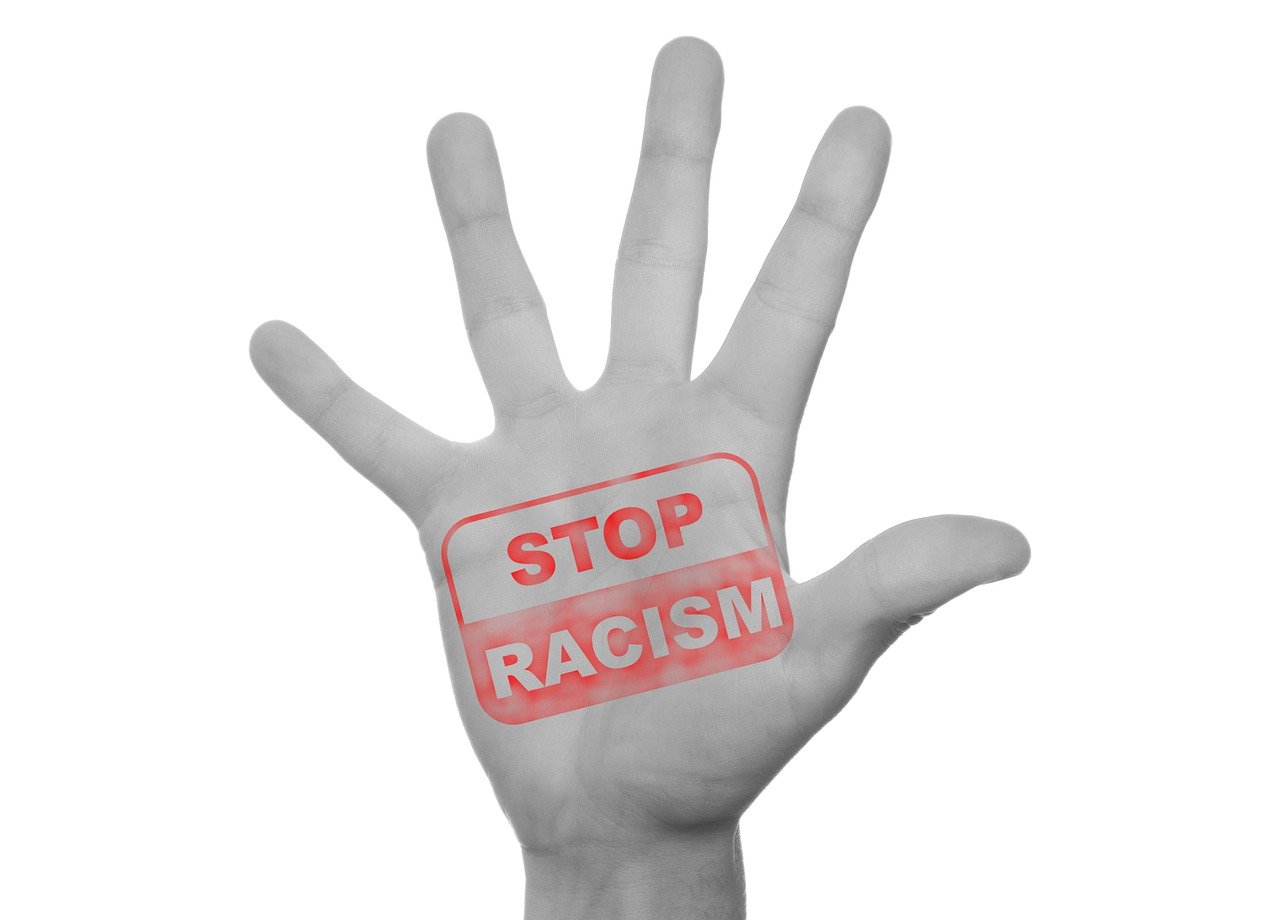
The realm of professional sports is often viewed through the lens of fair competition, but underlying ethical issues can arise from different forms of discrimination. Discrimination complaints can occur due to race, gender, sexual orientation, or disability, highlighting critical ethical concerns within sports organizations. Such complaints not only affect the individuals involved but also impact the broader community around the sport. The ethical implications of these complaints extend to how organizations handle, investigate, and resolve them. Effective management and resolution can foster an inclusive environment, while poor handling might perpetuate a toxic culture. Moreover, the consequences of failing to address discrimination complaints lead to reputational damage and a backlash from fans, peers, and sponsors. Ensuring equity in sports is paramount, yet when complaints arise, teams and leagues must act decisively and fairly to uphold their integrity. This necessary approach ensures athletes feel safe and respected, which ultimately promotes a healthy competitive spirit. Striving for fairness in sports transcends mere policy; it becomes a moral imperative for all sporting entities to embrace inclusivity and promote ethical standards in every action taken.
Professional sports organizations must implement robust anti-discrimination policies to uphold ethical standards and maintain public trust. Such policies serve as frameworks for addressing discrimination complaints, ensuring affected individuals have a clear avenue for reporting grievances. When policies are ignored or poorly specified, a culture of silence may develop around discrimination, silencing those who may wish to speak out. Therefore, organizations should prioritize developing comprehensive policies that are accessible and unequivocal in their commitment to equity. Training programs that educate athletes, coaches, and staff on recognizing and addressing discrimination can further reinforce these policies. In addition, accountability measures should be established to ensure that all complaints are handled thoroughly and transparently. This not only assuages the concerns of those affected but also demonstrates to the larger community that the institution values ethics and fairness. Effective anti-discrimination policies not only protect individuals but also enhance the sporting community’s reputation by fostering an environment of respect and equality. Ultimately, failure to uphold these ethical standards could lead to widespread ramifications for the sport, including decreased participation and damage to its credibility with audiences and sponsors alike.
Impact of Discrimination Complaints on Athletes
Discrimination complaints can deeply affect athletes on various levels, both professionally and personally. When athletes experience or witness discrimination, it may create an environment of anxiety and fear, leading to diminished performance. This psychological toll can hinder a player’s focus, motivation, and overall competitiveness in their respective sports. Additionally, athletes facing such challenges may seek social support from teammates or external resources, which can take time and effort away from their training and competition. Moreover, the potential public scrutiny surrounding such complaints can further exacerbate stress, as athletes may feel pressured to defend their character and reputation. On a broader scale, these incidents can tarnish the image of their respective sports, calling attention to systemic issues that may otherwise remain unchallenged. For this reason, it is essential that stakeholders within the sports community recognize the far-reaching implications of discrimination complaints. Ensuring that athletes have access to mental health resources, along with transparent reporting mechanisms, can empower individuals to navigate these turbulent situations. Such support systems not only promote individual well-being but also contribute to a healthier overall sporting environment.
Moreover, the ramifications of discrimination complaints can ripple beyond the athletes involved, impacting teams, leagues, and fan bases. For instance, when a professional athlete raises a discrimination complaint, this can initiate broader discussions about equity within the sport, revealing underlying issues and prompting change. Teams and leagues that respond appropriately and transparently demonstrate their commitment to ethical conduct and inclusivity. They can inspire trust and loyalty from their fan base, fostering a stronger community connection. Conversely, organizations that mishandle complaints can face backlash from fans and sponsors, leading to negative media attention and potential financial consequences. In this context, maintaining a proactive stance on discrimination prevention becomes essential for building long-term loyalty among fans and supporters. Teams that prioritize inclusivity and respect within their culture can attract diverse fan demographics, broadening their appeal. Thus, ethical considerations in resolving complaints are not merely internal matters; they resonate with the wider public. The responsiveness of sports organizations in addressing discrimination complaints becomes a testament to their values and can significantly shape their reputation in the competitive landscape of professional sports.
The Role of Leadership in Addressing Discrimination
Leadership plays a crucial role in establishing an environment where discrimination complaints can be addressed effectively. Strong leadership is fundamental for creating a culture that encourages open dialogue and reporting of grievances without fear of retaliation. Leaders within organizations must be committed to diversity, equity, and inclusion, acting as role models for athletes and employees alike. Creating an atmosphere where team members feel safe to voice concerns is paramount for any professional sports entity. Effective leaders can help ensure that the anti-discrimination policies in place are not only adhered to but are also adapted as needed to address emerging issues. By demonstrating a genuine commitment to fair play and ethical conduct, leadership can inspire confidence among athletes and fans, reinforcing the integrity of the sport. Additionally, leaders may also engage constructively with external stakeholders, including advocacy groups and community organizations, to align their initiatives with best practices. In doing so, they can enhance their team’s credibility, attracting a more diverse audience and benefitting the sport as a whole. Ultimately, effective leadership is essential for fostering a culture of accountability and respect.
Furthermore, avenues for reporting discrimination must be clearly delineated within professional sports organizations. Establishing multiple channels for filing complaints can empower individuals, allowing them to choose the method they feel most comfortable with. Flexible reporting mechanisms can range from anonymous hotlines to designated ombudspersons within the organization. Each method should prioritize confidentiality and protect against retaliation to ensure that athletes feel safe speaking out. This approach not only illustrates a commitment to addressing discrimination but also establishes the organization as a progressive entity that values the well-being of its members. Training individuals tasked with handling complaints to respond empathetically and professionally is equally important, as this can greatly influence an athlete’s willingness to come forward. Moreover, transparency in the process, including timely updates and clear communication about outcomes, can reinforce trust in the system. When athletes see that their complaints are taken seriously and addressed promptly, they are more likely to engage positively within the organization. In contrast, unresponsive or opaque complaint-handling procedures can perpetuate a culture of silence and fear, which can be detrimental to morale and performance.
Conclusion: Promoting a Culture of Fairness
Creating and maintaining an ethical environment in professional sports necessitates collective action from all stakeholders involved. It is essential to foster a culture of fairness and accountability, where discrimination complaints are taken seriously and addressed with due diligence. Such an environment must encourage reporting, support affected individuals, and actively work toward eradicating discrimination in all its forms. This can only be achieved through consistent education, effective policies, and strong leadership that values inclusivity and equality. By prioritizing ethical standards, professional sports can set an example for society, showcasing the importance of fair play not only within their arenas but also beyond. As fans and athletes join forces to combat discrimination, it reinforces the idea that sports can play a pivotal role in advancing social justice and equality. The long-term success of professional sports organizations depends on their ability to respond ethically to discrimination complaints and foster an inclusive environment for all participants. Through commitment to these values, professional sports can continue to thrive in an increasingly diverse and socially conscious world.
In conclusion, addressing the ethical implications of discrimination complaints is imperative for the integrity of professional sports. Organizations that proactively engage with these issues can respond effectively to the needs of their members while preserving their reputations. A culture of inclusivity and respect must be cultivated throughout all levels of professional sports, which encompasses equitable policies, accountable leadership, and responsive complaint resolution procedures. Ultimately, by prioritizing these efforts, the sports community can create an environment that champions fairness, paving the way for a brighter future for all.