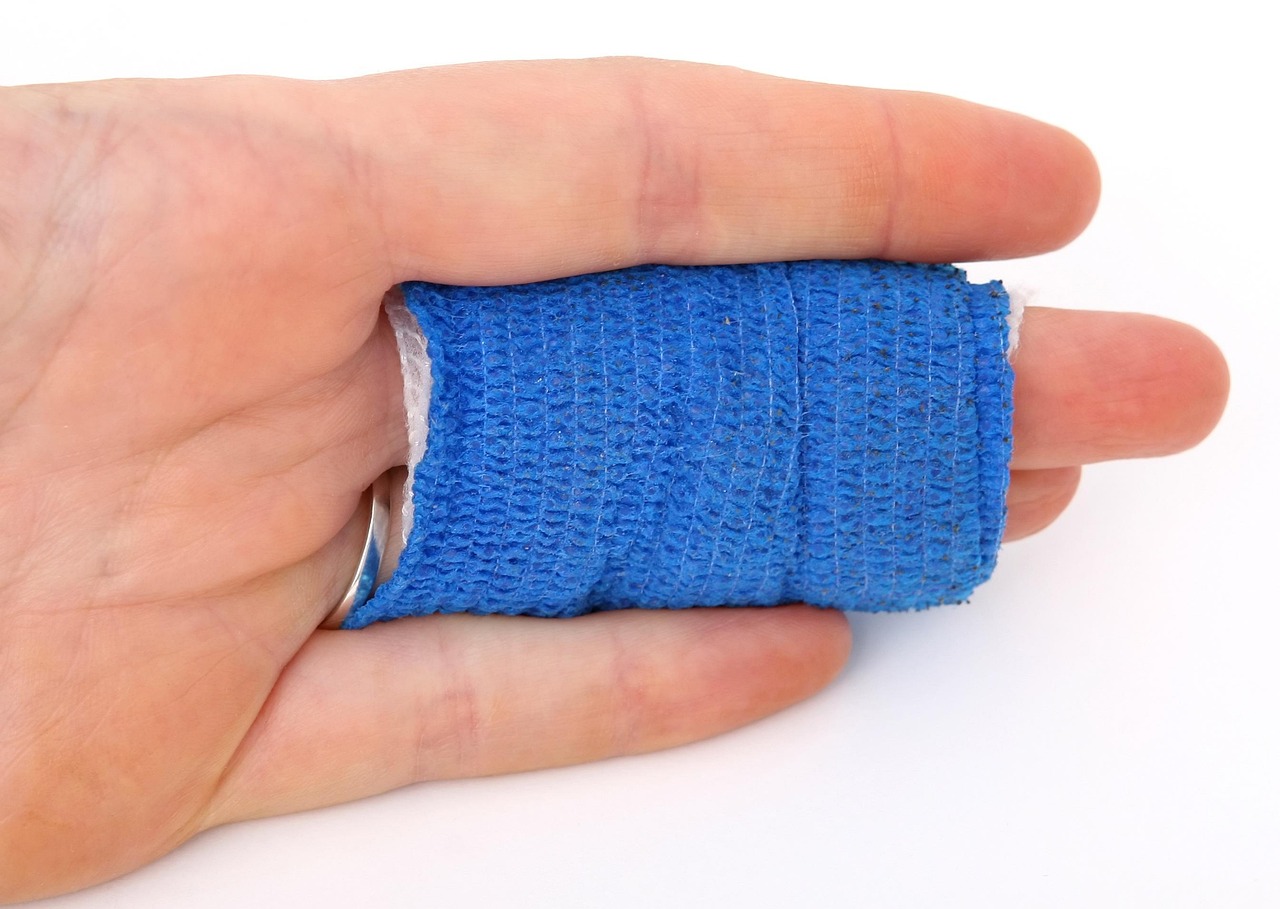

First Aid for Sprains and Fractures During Physical Confrontations
Self-defense training often emphasizes the importance of physical preparedness. However, potential injuries such as sprains and fractures can occur during a confrontation. Understanding how to manage these injuries effectively is crucial for anyone engaged in self-defense practices. Sprains happen when ligaments are overstretched or torn, typically occurring in the ankle or wrist. Fractures occur when bones are broken or cracked due to impact or stress. Proper first aid can help alleviate pain and prevent further injury. It’s essential to keep calm and assess the injury immediately to provide appropriate care. This may include immobilizing the injured area, applying ice to reduce swelling, and using over-the-counter pain relief methods as needed. In critical situations, knowing when to seek medical assistance is also key. Additionally, training in applying first aid effectively can empower individuals, providing them the confidence to handle emergencies. First aid knowledge empowers self-defense practitioners to respond wisely, preventing lasting damage and enabling a faster recovery for those affected.
After assessing the injury, the next step involves immobilization of the affected area. For sprains, it’s vital to follow the R.I.C.E. method: Rest, Ice, Compression, and Elevation. Rest prevents further damage, and ice minimizes swelling. Compression can be achieved using bandages, while elevation reduces blood flow to the area, alleviating swelling. For fractures, immobilization is even more crucial. Any unnecessary movement can exacerbate the injury or lead to complications. Using a splint, or soft padding will help stabilize the broken bone until professional medical help arrives. Elevation and applying ice also apply in these cases to manage swelling and pain. A compression bandage can also provide support and reduce pain. Remember that attempting to realign a fractured bone can be dangerous, if not impossible, without proper training. Regular self-defense classes often incorporate basic first aid techniques to prepare practitioners for these unforeseen incidents. This training can build awareness of potential injuries and how to address them effectively. Knowledge is power. Familiarity with these methods can be the difference between a rapid recovery and more severe complications.
Recognizing Symptoms of Sprains and Fractures
Being able to recognize the symptoms of both sprains and fractures is essential in self-defense scenarios. For sprains, typically the individual will experience pain at the injury site, swelling, bruising, and often limited functionality in the affected joint. The pain can be immediate or develop over time, and it will often worsen with movement. In cases where a fracture occurs, the symptoms may also include visible deformation at the injury site, intense pain, swelling, and even a grinding noise during the incident. If a fracture is suspected, it is essential to avoid moving the injured area. Try to assess the situation calmly, gathering necessary information about how the injury occurred and any immediate pain experienced. Effective communication about symptoms aids in treatment decisions and informs medical professionals of the injury specifics. Therefore, learning to recognize these symptoms is vital and can be a part of self-defense training programs to enhance preparedness for such emergencies. Knowing how to articulate the situation can lead to quicker emergency responses, making all the difference in critical situations.
Once an injury has occurred, swift action can be essential. For sprains, applying the R.I.C.E. method as soon as possible is a proactive approach. Begin with Resting the affected area to avoid further damage and provide relief. Applying Ice can further reduce swelling and numb pain, and it should be done with a cloth to prevent frostbite on the skin. Compression, achieved using elastic bandages, can help control swelling while providing support. Lastly, Elevation is important. Keeping the injured area elevated above heart level reduces swelling and assists the body in healing. For fractures, immobilization must be balanced with medical treatment. If a fracture is suspected, ensure not to apply pressure or exert force on that area. Splint the injury to prevent movement, which can lead to further complications. Seek professional medical help as soon as possible to ensure appropriate treatment. Self-defense practitioners should be trained in basic splinting techniques and understand situational awareness if a fracture occurs. Typically, swift and appropriate first aid treatment can significantly influence healing and recovery post-confrontation.
When to Seek Medical Help
Understanding when to seek medical help is an integral part of first aid in self-defense scenarios. If there are visible signs of a fracture, such as deformity or inability to move the affected limb, it is crucial to get professional medical attention without delay. Additionally, if pain intensifies despite rest and first-aid measures such as R.I.C.E., it signals that the injury requires expert evaluation. Symptoms like severe swelling, numbness, or an inability to bear weight on the affected limb should prompt an immediate call for medical assistance. Even for sprains, if the individual is unable to move the joint after applying first aid, professional evaluation may be necessary to rule out any serious injuries. Furthermore, keep an eye out for any symptoms like fever or increased swelling, which can indicate serious complications. Prioritize safety and health. Learning to differentiate between minor and severe injuries is beneficial. Play it safe by being proactive rather than reactive when assessing injuries sustained during self-defense training or confrontations. Effective responses can shape the recovery experience.
After receiving treatment, it’s essential to follow an appropriate recovery plan. Healing from sprains and fractures not only takes time but also requires adherence to a prescribed rehabilitation routine. This often includes physical therapy to restore strength and flexibility. Follow your healthcare provider’s recommendations regarding mobility and activity levels during recovery. For sprains, the recovery process typically involves gradually introducing movement and strength-building exercises to allow the joint to heal properly. In the case of fractures, recovery may involve immobilization with a cast or splint followed by rehabilitation exercises once healing is complete. Pain management during recovery can involve over-the-counter medications, as overseen by medical professionals. Remember to monitor for any unexpected symptoms during your recovery, including swelling or pain that returns. Understanding the stages of healing can play a significant role in recovery success. Engage in supportive self-care practices, including balanced nutrition and adequate sleep to promote healing. Incorporating gentle fitness exercises when cleared by medical professionals can also aid the recovery process, allowing individuals to regain confidence in their physical capabilities.
The Importance of Self-Defense First Aid Knowledge
Having first aid knowledge is a vital component of self-defense training. Often, confrontations happen unexpectedly, leading to injuries that require prompt care and understanding. Self-defense practitioners should embrace first aid training alongside their physical preparation. In scenarios where sprains and fractures occur, timely and effective care can prevent additional complications, empowering individuals with the ability to handle emergencies. Furthermore, self-awareness during training allows practitioners to understand their limits and the kind of injuries they may sustain. Also, educating oneself on recognizing critical signs of deeper complications can inform medical professionals if necessary, expediting the treatment process. Being knowledgeable about basic first aid protocols can foster a culture of safety and care, shaping responsible self-defense practices. These courses help prepare individuals for the emotional and physical challenges faced during incidents. Not only does it equip them with the skills to react effectively to injuries, but it also cultivates a great sense of confidence. As they train, integrating first-aid knowledge can create resilient self-defense practitioners prepared for the unexpected.
Incorporating first aid training into self-defense practices establishes a more robust skill set for individuals. It’s critical to acknowledge the interconnectedness of physical training and emergency preparedness. Self-defense can enhance not only physical capabilities but also mental responsiveness and awareness during stressful situations. Thus, enriching training programs with first aid knowledge solidifies individuals’ preparedness for handling injuries. Blood loss, broken bones, and unconscious state can drastically change the circumstances of an ongoing confrontation; knowing how to react can save lives. Individuals equipped with these life skills contribute positively not only to their well-being but also to that of fellow practitioners. As the self-defense community expands, prioritizing first aid training encourages responsible practices and fosters group support. This holistic approach ultimately pushes the self-defense philosophy beyond just personal safety; it serves the broader community’s welfare. Understanding these dynamics inspires practitioners to take their training seriously. They can help ensure the safety of others as well as themselves. Including first aid as part of self-defense training allows for the development of skills that can be applied in various contexts, creating a well-rounded skill set for practitioners.