
Goal Setting in Sport: Aligning Motivation and Emotional Health
Setting effective goals plays a crucial role in sports, influencing both performance and overall emotional well-being. When athletes establish clear objectives, they foster a sense of direction, enhancing their desire to achieve. Goals must be specific, measurable, achievable, relevant, and time-bound (SMART) for maximum effectiveness. Aligning these goals with personal motivations increases engagement and drive, crucial for consistent training. Emotional intelligence is paramount in this process, allowing athletes to understand their emotions and how those feelings impact their performance. Recognizing emotional triggers equips athletes with strategies to navigate challenges. For instance, an athlete may identify frustration from slow progress and establish emotional regulations to mitigate this feeling. Furthermore, integrating regular feedback helps maintain motivation. Seeking advice from coaches and peers fosters a supportive environment, allowing athletes to adjust their goals as needed while nurturing their emotional health. Ultimately, successful goal setting can lead to enhanced performance, improved self-esteem, and greater satisfaction in sports. Athletes who can balance their motivation with emotional states often achieve long-term success, providing insights that extend beyond athletics into personal development.
The Connection Between Motivation and Emotional Intelligence
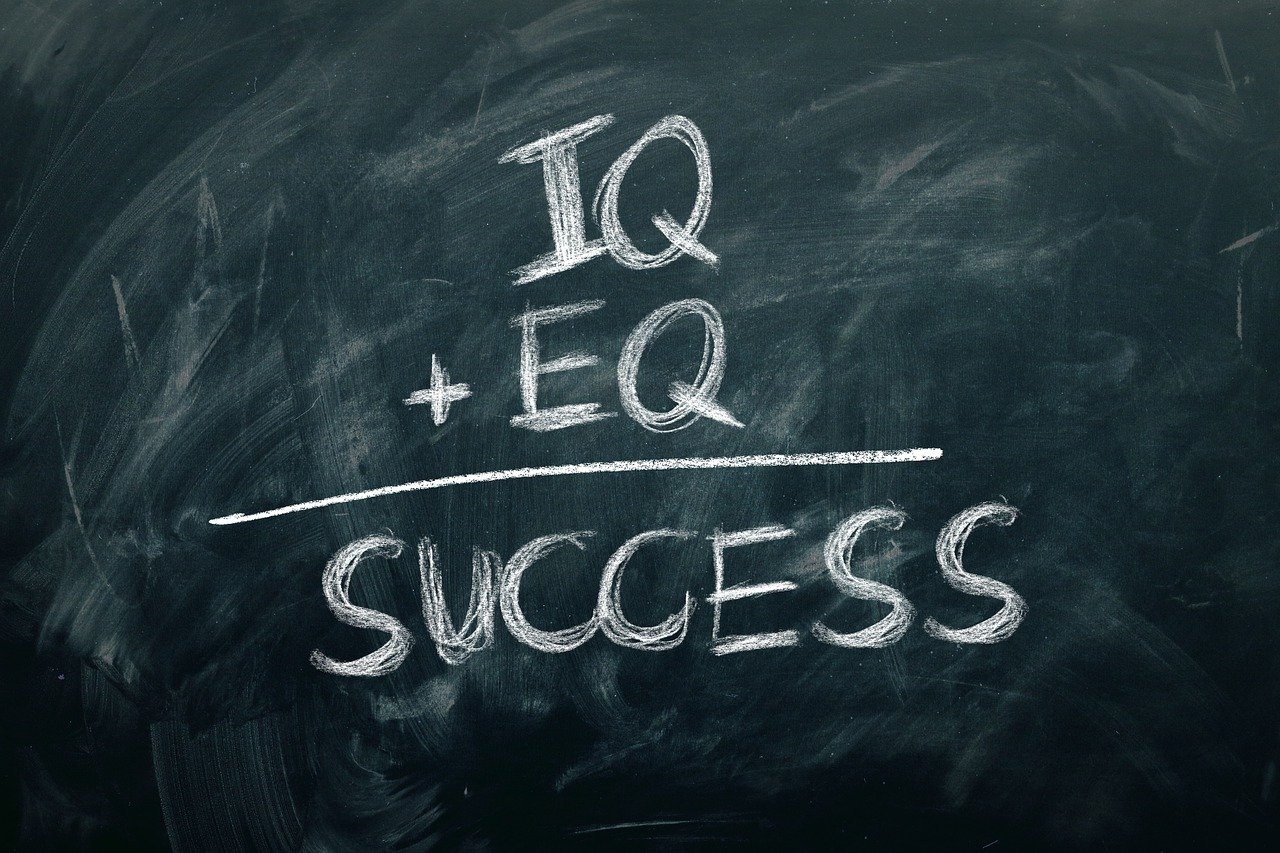
The relationship between motivation and emotional intelligence in sports cannot be overstated. Emotional intelligence (EI) involves the ability to recognize, understand, and manage one’s emotions, which complements motivation in very effective ways. Athletes with high EI can better cope with the stresses of competition, using their emotional awareness to channel feelings into productive actions. For example, they may transform anxiety into focused energy before a game, enhancing performance rather than succumbing to stress. Understanding one’s motivations—such as intrinsic and extrinsic drives—allows athletes to tailor their training efforts to their emotional states. This alignment leads to not just better outcomes in competitive sports, but also a deeper understanding of self. When athletes are aware of what motivates them, they can adopt strategies that amplify their positive emotions during training. This could involve celebrating small victories or setting short-term goals to sustain enthusiasm. In essence, the interplay of motivation and emotional intelligence fosters resilience, enabling athletes to pursue their ambitions cohesively while managing emotional fluctuations effectively. This synergy is vital for cultivating both peak performance and a fulfilling athletic journey.
Incorporating psychological techniques into goal-setting processes can significantly enhance an athlete’s experience and results. Visualization is one such technique that allows athletes to mentally rehearse their performance. This practice enriches their motivation and emotional readiness. By picturing themselves succeeding in their sports, athletes can boost confidence levels and instill a positive mindset. Additionally, affirmations play a critical role in reinforcing commitment to goals. Regularly reiterating motivational statements can embed a stronger belief in one’s capabilities. Moreover, a growth mindset is essential, encouraging athletes to view challenges as opportunities for development rather than as setbacks. Joining workshops that focus on emotional and mental training can also provide consistent support. Support systems, whether through teammates or mental coaches, foster an environment conducive to emotional growth and enhanced motivation. Keeping a journal to document goals and emotional reactions throughout training encourages self-reflection and accountability. This holistic approach enables athletes to adjust their strategies based on what motivates them, ultimately leading to a fulfilling journey in their sports while preserving mental health. The combination of psychological techniques aids in refining both goal attainment and emotional stability.
Maintaining Motivation Through Challenges
Facing obstacles in sports is a natural aspect of an athlete’s journey. Maintaining motivation during these tough times often proves to be challenging. The ability to stay focused on goals while navigating adversity calls for a robust emotional intelligence framework. Identifying and acknowledging feelings, such as disappointment or frustration, enables athletes to develop coping mechanisms. Moreover, understanding that setbacks are temporary and part of the growth process helps in reframing perspectives. Establishing a routine that includes stress-relief practices, like mindfulness or physical training, can boost resilience. Setting progressive, smaller milestones within larger goals can also keep motivation levels high. Celebrating small successes fosters a sense of achievement, making the journey feel worthwhile. Engaging in supportive conversations with coaches and loved ones can further encourage resilience. The feedback received often provides insights and reassurance, reminding athletes that they are not alone in their pursuit. Ultimately, fostering a mindset focused on progress over perfection is essential for emotional health. Athletes who embrace this perspective often find renewed motivation, which in turn drives them to realize their goals and aspirations effectively.
The role of coaches and mentors is indispensable in the realm of goal setting and emotional health in sports. Coaches who understand the importance of emotional intelligence can guide athletes in building a supportive and productive training environment. Effective communication is vital; coaches should offer constructive feedback that recognizes athletes’ emotions. Establishing open lines of communication enhances trust and allows athletes to voice concerns regarding their goals. Mentorships provide an additional layer of support, as seasoned athletes can share their experiences and techniques for overcoming challenges. These relationships encourage vulnerability, enabling younger athletes to express their emotional states without fear of judgment. By fostering emotional literacy, both coaches and mentors can cultivate a culture where mental well-being is prioritized alongside performance. Thus, the collaboration between athletes and their mentors creates a system of accountability, ensuring athletes are not only working towards achieving their goals but also maintaining their emotional balance. This holistic coaching approach ultimately equips athletes with life skills that transcend sports, laying the foundation for overall well-being beyond their athletic endeavors.
Creating a Balanced Plan for Goal Achievement
A well-balanced plan is necessary for effectively implementing goal-setting strategies in sports. This plan should encompass setting both short-term and long-term goals that complement each other. It’s essential to break larger goals into manageable steps that foster a motivational structure, making it easier for athletes to measure progress. A timeline associated with each goal instills a sense of urgency and helps in planning training sessions accordingly. Engaging regularly in self-assessment maintains emotional clarity regarding these goals. Journaling or using apps to track feelings and progress not only aids motivation but also mitigates anxiety related to performance. Furthermore, accountability plays a crucial role; sharing goals with teammates or coaches creates a support system that fosters motivation. Collaborative training sessions enhance camaraderie, while also alleviating the emotional burden. Incorporating relaxation techniques into the schedule must not be overlooked, as it helps maintain emotional equilibrium. Balancing rigorous training with mental respite ensures that athletes stay emotionally and mentally refreshed. Composing this balanced plan contributes positively to both goal achievement and emotional well-being. Aiming for harmonious integration between training and emotional health maximizes athletes’ performance capabilities.
In conclusion, effective goal setting in sports significantly relies on the intersection of motivation and emotional intelligence. Athletes who strategically align their goals with their intrinsic motivations and emotional insights can achieve remarkable heights in their performance. The integration of psychological techniques, such as visualization and affirmations, enhances emotional resilience and motivation levels. Maintaining constant communication with coaches and mentors supports athletes in navigating challenges while pursuing their objectives. Additionally, crafting balanced, structured plans enables athletes to achieve their short and long-term goals seamlessly, while fostering emotional health. As athletes continue their journeys in sport, prioritizing this balance becomes crucial for long-term success and fulfillment. Embracing the dynamics of motivation, emotional regulation, and goal achievement not only shapes athletic performance but also contributes positively to overall life experiences. The lessons learned through this journey can guide athletes to cultivate resilience, understand their emotional responses, and inspire others in the community. Therefore, fostering this delicate interplay is essential for achieving not just sports-related goals but also broader personal aspirations, ultimately crafting a fulfilling and impactful athletic career.