
How Depression Affects Physical Health and Activity Levels
Depression is a prevalent mental health condition that profoundly influences emotional well-being and physical health. Understanding how depression impacts physical health is crucial for effective treatment and overall health management. The interplay between emotional and physical health is complex but significant. Research indicates that individuals suffering from depression often experience a range of physical health issues, including chronic pain, fatigue, and other ailments. Chronic stress resulting from emotional distress can lead to inflammation, hormonal imbalances, and weakened immune response. Furthermore, depression can contribute to unhealthy lifestyle choices, such as poor diet, lack of exercise, and substance abuse, exacerbating physical health issues. It is essential to recognize these connections to develop a holistic approach to treatment. Treatment plans should consider both mental and physical health consequences of depression. Education about the mind-body connection can empower patients to understand their conditions better. Additionally, combining therapy with physical health interventions, like exercise, can yield significant benefits for managing symptoms. In conclusion, considering the physical aspects of depression is vital to treating and understanding this complex disease.
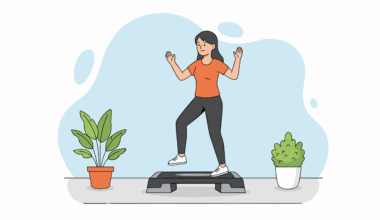
One of the most surprising effects of depression is its ability to inhibit physical activity levels, which can perpetuate a vicious cycle of declining health. When experiencing depression, individuals may lack the motivation or energy to engage in physical activities, leading to a sedentary lifestyle. This lack of movement can contribute to weight gain, muscle atrophy, and decreased cardiovascular health. Over time, the body becomes accustomed to inactivity, making it even more challenging to initiate exercise. Furthermore, the mental fatigue accompanying depression can severely limit one’s desire to move at all. Consequently, those affected may find themselves in a cycle where their physical health deteriorates due to inactivity, which further exacerbates their emotional state. It’s also critical to highlight the role of neurochemicals; endorphins that are often released during physical activity can help alleviate symptoms of depression. This means that a lack of exercise can deprive individuals of these mood-enhancing benefits. Encouraging small, manageable movement routines can be pivotal. Therefore, addressing physical activity is essential in any treatment plan for depression to foster a healthier mind-body connection and combat the symptoms effectively.
Impact on Sleep Patterns
A significant and often overlooked factor in the relationship between depression and physical health is sleep disturbance. Individuals with depression frequently report issues related to sleep patterns, such as insomnia, hypersomnia, or disrupted sleep due to ruminating thoughts or anxiety. Adequate sleep is crucial for physical restoration, emotional regulation, and cognitive functions. As sleep disorders exacerbate the symptoms of depression, they can create a detrimental cycle where physical health continues to decline. Sleep deprivation can lead to increased levels of stress hormones like cortisol, which can further impair physical health and compromise immune function. Additionally, poor sleep quality can affect metabolism and lead to weight gain, which can add to feelings of low self-worth. Many individuals report that their physical health improves once they address their sleep issues. Health professionals often recommend establishing bedtime routines or addressing sleep hygiene. Awareness of one’s sleep patterns is vital for creating strategies to enhance quality rest. Thus, treating sleep disturbances is a fundamental aspect of managing depression, which, in turn, can significantly improve individuals’ overall physical health.
The connection between depression and chronic diseases is profound and concerning. Individuals suffering from depression are at higher risk for various chronic conditions, including heart disease, diabetes, and other serious illnesses. Researchers have found that untreated depression may lead to exacerbation of pre-existing conditions or contribute to the development of new health issues. The biological mechanisms underlying this relationship include chronic inflammation, hormonal imbalances, and lifestyle factors associated with depression, such as poor diet and physical inactivity. Moreover, managing chronic diseases becomes more complicated for individuals with depression, as symptoms can interfere with treatment adherence. Mental health struggles often result in neglect of essential medical care, further worsening their physical health outcomes. For instance, a patient with diabetes might struggle to maintain their blood sugar levels due to a lack of motivation stemming from depression. Therefore, tackling these mental health challenges is imperative to improve the overall quality of life. Enhancing coordination between mental health and primary care practitioners can ensure comprehensive approaches to manage both mental and physical health effectively, leading to better long-term outcomes.
Effects on Gut Health
The mind-body connection extends to gut health, an area that has garnered increasing interest in recent years. Research suggests that there is a profound relationship between emotional states and gastrointestinal functions. Depression can alter gut microbiome composition, leading to digestive issues, reduced nutrient absorption, and inflammation. This can further enhance the physical symptoms of depression, creating a feedback loop where physical discomfort amplifies emotional distress. Stress-induced changes in gut motility can lead to symptoms like irritable bowel syndrome (IBS), nausea, or abdominal discomfort. Moreover, these gastrointestinal issues can contribute to overall feelings of fatigue and malaise, perpetuating the depressive state. The gut produces neurotransmitters such as serotonin, often referred to as the “feel-good” hormone. An imbalance in gut health can thus negatively impact serotonin levels, complicating the emotional symptoms of depression. Probiotics or dietary changes can lead to improvements in both gut and mental health. This connection underlines the importance of considering holistic treatment for those struggling with depression. Therefore, targeting gut health could serve as a vital step towards improving overall well-being and managing depression.
Physical health strategies should involve not merely addressing symptoms but empowering individuals through lifestyle modifications. Encouraging engaging in activities that foster an active lifestyle is essential for improving both mental and physical health. This includes activities such as yoga, walking, or participation in team sports, which also provide social support. Adopting healthy eating habits can also enhance both mood and physical recovery. Incorporating a diet rich in omega-3 fatty acids, whole grains, and plenty of fruits and vegetables can have a positive impact on emotional health. Moreover, proper hydration is often overlooked and plays a critical role in overall health. Emotional support through therapy or support groups provides added benefits, aiding individuals in their struggle against depression. Support systems can encourage consistent activity levels and help maintain motivation, creating an environment conducive to improving both emotional and physical well-being. Setting small, achievable goals can foster a sense of accomplishment, enhancing overall mood. To summarize, encouraging healthy lifestyle choices is paramount in addressing the dual challenges of depression and physical health, creating a roadmap to recovery.
Conclusion
In conclusion, the intricate relationship between depression, physical health, and activity levels cannot be underestimated. Understanding and addressing this mind-body connection is essential for holistic health care. Depression impacts physical health in numerous ways, from altering sleep and activity levels to influencing gut health and contributing to chronic diseases. A comprehensive treatment plan that includes both mental and physical health considerations can significantly improve outcomes for individuals suffering from depression. Education around this connection can empower those affected to take actionable steps towards recovery, enhancing their quality of life. Health professionals must work collaboratively to establish supportive environments that promote physical activity, proper nutrition, and mental health resources. Encouraging engagement in healthy activities contributes positively to both emotional resilience and physical recovery. Through an integrated approach, individuals can better manage their depression and its physical manifestations. Therefore, raising awareness of the role emotions play in physical health is paramount to fostering healthier communities. The benefits of addressing both mental and physical health will not only enhance individual well-being but contribute to broader societal improvements.