
Kettlebell Grip Techniques and Their Importance
Kettlebell training offers an effective means of building strength, endurance, and mobility. One of the most crucial aspects of kettlebell training is mastering grip techniques. A secure grip is imperative for safety and performance during workouts. Various grip styles can influence how exercises are performed and the muscle groups engaged. Therefore, it’s essential to understand the differences between grips such as the overhand grip, underhand grip, and the neutral grip. Each grip can affect your stability and the overall efficacy of the kettlebell movements. By developing proper grip techniques, you enhance your control over the kettlebell. This not only aids in executing movements effectively but also significantly reduces the risk of injuries. Additionally, efficient grip can enable you to lift heavier weights over time, leading to improved strength and muscle endurance. Emphasis on grip also translates to better performance in related exercises. The importance of grip strength extends beyond kettlebell workouts, benefiting overall fitness. Therefore, aspiring kettlebell enthusiasts should allocate time to refine their grip techniques as they start their training journey.
Types of Kettlebell Grips
Understanding the various types of kettlebell grips is vital for every kettlebell user. The most common grips include the overhand grip, where the knuckles face downward, aiding in exercises such as swings. This grip necessitates a firm hold to maintain control throughout the motion. Another grip type is the underhand grip, which is often utilized during different kettlebell lifts like the clean or snatch. Here, the palms face upwards, promoting stability while transitioning the weight. The neutral grip, with palms facing each other, facilitates a more natural range of motion during certain movements. Practicing different grips can expose users to their unique benefits and how each can enhance versatility in training routines. Adopting the right grip for each exercise is essential to maximize safety and effectiveness. Notably, the Turkish get-up incorporates various grip changes as you progress through the movement. Recognizing these differences and applying them effectively forms the foundation for proficient kettlebell training. A proper grip can also lead to stronger muscle engagements, promoting better outcomes throughout your workout.
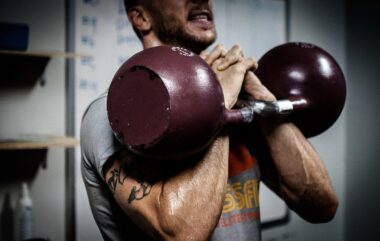
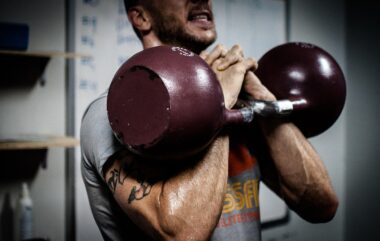
Perfecting your kettlebell grip goes beyond knowing the types; it requires deliberate practice. Identifying the grip width that feels most comfortable is essential for optimal performance. A too-tight grip can hinder movement fluidity, while a loose grip can lead to dropping the kettlebell. Focus on maintaining consistent contact with the handle using your fingers and palm for enhanced control and power. While engaging in kettlebell exercises, keep your wrist neutral. This alignment helps in managing the kettlebell’s weight dynamically, preventing unnecessary strain on your wrist joints. It’s crucial to incorporate some wrist mobility drills into your warm-up routines, boosting flexibility and strength. Simple exercises like wrist curls and rotations can help strengthen your grip. Ultimately, the efficiency of kettlebell movements relies heavily on grip strength and technique, leading to better overall performance. Practicing various lift patterns with an emphasis on your grip can significantly improve your ability to perform more complex techniques as your training progresses. As you enhance your grip, you’ll notice improvements in other aspects of strength training as well.
Training for Grip Strength
Having both a strong and versatile grip is crucial for kettlebell training. To develop grip strength effectively, dedicated grip training should be included in your regimen. Use specific exercises aimed at grip improvement, such as farmer’s carries and dead hangs. Farmer’s carries involve holding heavy kettlebells or dumbbells in each hand while walking a set distance. This simple yet effective exercise challenges your grip and engages various muscle groups simultaneously. Dead hangs, on the other hand, consist of holding onto a pull-up bar with straight arms as long as possible. Incorporating such exercises into your workout routine will help target your forearms, hands, and overall grip strength. It’s worth noting that grippers or squeeze balls can provide supplementary grip strength training. These tools are compact and easy to use at home or during breaks. As your grip strength progresses, try experimenting with heavier kettlebells to challenge yourself further. This progressive overload will contribute positively toward your general fitness and overall weightlifting capability. Improving grip will pay dividends in both kettlebell and other strength training endeavors.
One aspect often overlooked in kettlebell training is the importance of grip endurance. Endurance is key in maintaining a strong grip throughout long workout sessions or high-repetition exercises. Underestimating grip endurance can lead to exercises ending early due to fatigue. To develop grip endurance, integrate longer sets and ensure variations in grip challenges during your routine. Methods such as timed holds can be beneficial for this purpose. Aim to increase the duration of your holds gradually, allowing your grip to adapt to the demand. Additionally, consider conditioning with different kettlebell weights to maintain effectiveness while progressing in training. Implement mixed grip routines which involve switching grips throughout a workout. This not only keeps your grip challenged but also veers from common training ruts. Alternate between lighter and heavier weights to promote muscle adaptations necessary for sustained grip performance. As you enhance your grip endurance, you’ll discover that not only do your kettlebell lifts improve, but the increased grip will assist in all areas of strength training, proving fundamental to all kinds of weightlifting.
Common Mistakes to Avoid
Even experienced kettlebell users can fall prey to common grip-related errors, which can hinder workout efficiency and safety. One frequent mistake involves using an incorrect grip for specific exercises, consequently decreasing effectiveness. Misaligned grip could lead to instability, especially during high-energy movements such as swings. Ensuring you’re using the right grip is paramount for proper form. Another common pitfall is failing to engage the fingers adequately around the kettlebell’s handle. A weak grip can create unnecessary strain elsewhere in the body, leading to injuries. It’s essential to constantly remind yourself to include your fingers in gripping the kettlebell firmly. Overgripping is also a concern; holding the kettlebell too tightly can lead to premature fatigue without yielding any additional benefits. Understanding when to relax your grip slightly during movements is crucial for efficiency. Lastly, neglecting grip strength training can limit progress. Always include specific exercises aimed at enhancing grip, complementing your kettlebell routine. This ensures that your overall workout is cohesive, balanced, and sustainable throughout your training journey.
In summary, mastering kettlebell grip techniques is foundational for effective training. It impacts not just how exercises are performed, but also overall performance and injury prevention. The main grips used in kettlebell training are essential to understand and apply correctly. Develop a habit of practicing these grips, focusing on the strengths and weaknesses they reveal in your performance. Moreover, incorporating specific grip strength exercises into your program ensures you train efficiently across various movements. Pay special attention to grip endurance, preparing yourself for longer workouts without compromising form. Avoiding common mistakes will contribute to a safer kettlebell experience, allowing you to maximize both strength and endurance gains. Growth in your grip translates to benefits over the entire body, supporting muscle engagement during lifts. Remember, grip training doesn’t exist in isolation; it’s interwoven within a greater fitness strategy. As your kettlebell journey continues, dedicating focus to grip techniques will yield invaluable results, aiding in your overall progress. With proper grip mechanics, you can train smarter, safer, and more effectively throughout your kettlebell training journey.
This concept of grip goes beyond merely holding a kettlebell. It encompasses growing your confidence in lifting heavier weights and manages transitions smoothly between different exercises. Becoming adept at grips fosters an environment of exploration wherein you can try various combinations of moves. Preparedness in grip techniques directly correlates with achieving long-term fitness goals. The experience helps develop mind-muscle connection while engaging various muscle groups. Thus, commitment to not only mastering your grip but also practicing variations serves as a pathway toward comprehensive kettlebell training success. Grasping techniques may initially seem trivial, yet their importance will soon surface as you delve deeper into kettlebell practices. A well-structured approach to grip mastery can lead to making impressive gains in overall strength and muscle conditioning. As you explore the boundaries of your physical capabilities, developing proficient grip techniques will prove integral. In conclusion, don’t underestimate the role of grip in your weightlifting journey. Progressing in kettlebell training thrives on a solid foundation of grip mastery. Make grip an essential focus in your training regimen and realize the profound impact it can have on your workouts.