
Seasonal Variations in Recovery Strategies for Competitors
Recovery after competitions is vital for athletes to optimize performance and ensure longevity in their sports careers. As the competitive landscape varies throughout the seasons, so too must the recovery strategies employed. It is essential for competitors to understand their body’s signals and respond with appropriate recovery techniques that align with the cyclical nature of their training and competition schedules. During peak season, athletes often engage in intense training and competitions, leaving little room for recovery. Therefore, implementing effective recovery methods such as active rest, hydration, nutrition, and sleep becomes paramount. A well-structured recovery plan helps prevent injuries, reduces fatigue, and fosters overall well-being. Athletes are encouraged to experiment with various strategies tailored to their personal responses, making adjustments based on performance feedback, seasonal demands, and physical condition. Integrating both physical and psychological recovery techniques can provide a holistic approach, thereby enhancing resilience. By prioritizing recovery, competitors can effectively bridge the gap between seasons, maintaining optimal performance levels and avoiding burnout. Embracing seasonal variations in recovery strategies ensures athletes remain competitive and healthy throughout their sporting careers.
One of the most effective recovery strategies revolves around nutrition, particularly post-competition. Proper nutrition helps replenish glycogen stores depleted during intense exercise, aiding in muscle repair and recovery. Following competition, competitors are encouraged to consume a balanced meal containing carbohydrates and proteins within 30 minutes, typically around 45-60% carbs and 15-20% protein. Foods rich in antioxidants can enhance recovery as well; fruits, nuts, and dark chocolate contain compounds that mitigate inflammation. Seasonal variations can influence dietary choices — for instance, in warmer months, fruits like watermelon and berries may be more appealing and digestible. Moreover, ensuring adequate hydration is vital. Water needs may fluctuate depending on the climate; thus, competitors must adjust fluid intake accordingly. Electrolytes should also be considered, especially after sweating profusely during events. Incorporating smoothies and electrolyte-infused drinks might aid faster recovery while ensuring hydration. Engaging a nutritionist for personalized meal planning based on seasonal produce and competition schedules can provide tailored strategies that cater to individual needs, ensuring optimal recovery effects and sustained energy levels in the following training regimens.
Incorporating Active Recovery Techniques
Active recovery techniques, incorporating low-intensity activities between intense training sessions, can significantly improve recovery quality during seasonal transitions. These activities encompass practices such as walking, swimming, and yoga that promote blood circulation and muscle relaxation without exerting excessive effort. Engaging in these gentle exercises post-competition allows the muscles to recover while providing a mental break from high-stakes training. It is important to find fun, enjoyable activities to keep the motivation levels high during lighter training periods. Seasonal changes may affect choices; for example, cold weather might favor indoor yoga or gentle Pilates practices, while warmer months can facilitate outdoor activities. Listening to the body’s response during these activities is crucial, as pushing too hard may lead to overexertion rather than promoting recovery. Furthermore, many athletes find profound benefits in combining mindfulness techniques with active recovery; practices such as meditation can enhance focus and mental clarity during competition. Finding harmony between physical activity and mental wellness ensures a balanced recovery approach that aligns with seasonal variations and inherent competition schedules.
Rest and sleep play vital roles in recovery; however, seasonal changes can affect sleep patterns. Athletes should prioritize sleep hygiene; creating a conducive sleep environment is essential for restorative sleep cycles. Reducing screen exposure at least an hour before bedtime can facilitate better sleep quality, and utilizing relaxation techniques can further enhance the process. During transitional seasons, athletes may find it beneficial to adjust bedtime hours based on competition schedules, allowing for earlier or later sleep times as necessary. Napping can serve as a powerful tool for recovery; short, strategic naps during the day can enhance alertness and performance while contributing to muscle recovery. Yet, it is advisable to limit naps to 20-30 minutes to avoid grogginess later. Incorporating rituals such as reading, deep breathing, or gentle stretching before bed can signal the body to prepare for rest. Mindful sleep practices, including gratitude reflection or visualization techniques, may bolster recovery and overall well-being. Crafting a tailored sleep strategy adaptable to the seasons can ensure athletes remain refreshed and rejuvenated, ready to tackle their subsequent competitions.
Mental Recovery and Seasonal Adjustments
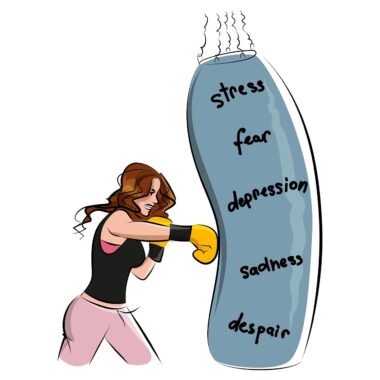
Mental recovery is equally essential in maintaining a competitive edge. Seasonal fluctuations can provoke significant psychological stress, particularly during training transitions and down periods. Athletes may experience heightened anxiety or pressure during critical seasons, therefore mental recovery strategies should not be overlooked. Implementing mindfulness practices, such as meditation or visualization techniques, can aid in reducing stress and enhancing focus. Such methods foster resilience, encouraging a positive mindset toward the upcoming competitions. Athletes could benefit from working with sports psychologists who offer valuable insights and coping strategies, enabling better management of performance anxiety. Reflection on performances, both successes and setbacks, can facilitate a productive mental recovery process. Keeping a journal can help identify areas for improvement as well as celebrating small victories. Seasonal peer support, engaging with fellow competitors, or mentoring younger athletes can foster a supportive community that bolsters confidence and motivation. Acknowledging the mental aspects of recovery ensures athletes remain well-rounded individuals, capable of navigating the complexities associated with competition. Prioritizing mental recovery, paired with physical strategies, culminates in a comprehensive approach supporting both personal growth and athletic performance.
Lastly, the use of technology increasingly helps athletes monitor recovery processes effectively. Wearable devices track sleep patterns, heart rate variability, and activity levels, providing crucial data on recovery effectiveness. Understanding individual responses to training loads and recovery practices enables better adjustments based on this feedback. Seasonal changes necessitate adjusting training intensity and volume, and technology offers insights into optimal recovery timings. Many athletes now utilize recovery apps that recommend tailored recovery strategies, monitor hydration levels, and even suggest nutritional plans based on workout intensity. Engaging with online platforms for community support during recovery periods can reduce feelings of isolation during downtime. Analyzing habits through this technology offers athletes a more empowered approach to their recovery journey, enhancing accountability for their strategies. Gamifying aspects of recovery, such as tracking steps or hydration levels, can create motivation and engagement. It’s important to ensure that while technology aids recovery, it remains a supplemental tool and not a substitute for personal connection and self-awareness. Embracing technological advancements focuses on data-driven recovery approaches while fostering a greater understanding of individual needs throughout seasonal variations.
Conclusion on Recovery Strategies
As athletes navigate through different seasonal phases, employing varied recovery strategies is essential for maximizing performance and longevity in their sports careers. Noticing shifts in physical and mental demands allows competitors to adapt their recovery approaches, aligning them effectively with seasonal variations. Nutrition, sleep, active recovery, mental health, and technology all play crucial roles in the recovery tapestry. Understanding individual responses necessitates an emphasis on monitoring and adjusting strategies as necessary. Tailoring recovery strategies based on seasonality not only prevents burnout and injuries but also represents an investment in overall health and well-being. Competitors who prioritize these approaches often find themselves better prepared for each transition, ensuring they remain competitive and driven throughout their athletic journeys. Furthermore, cultivating a community around shared goals enhances motivation and fosters collaboration among athletes. In conclusion, integrating seasonal variations into recovery tactics supports competitors in achieving peak performance while prioritizing their physical and mental health. By embracing a multifaceted recovery strategy, athletes ensure resilience, performance longevity, and the successful navigation of the ever-changing competitive landscape.
Ultimately, understanding how seasons impact recovery practices can enrich an athlete’s approach to both training and competition. By remaining adaptable and willing to evolve techniques, an athlete can harness the full potential of seasonal variations. The interplay of effective nutrition, optimal rest, active engagement in recovery activities, and mental fortitude is crucial for athletes in their competitive pursuits. Acknowledging these factors empowers individuals to make informed decisions, fostering resilience and ensuring sustained high-level performance. The journey of athletic competitiveness is as much a mental and emotional endeavor as it is physical, so recognizing these elements is key. Ultimately, the awareness and integration of seasonal variations in recovery strategies for competitors pave the way for improved overall performance. Athletes should continuously learn about themselves through their recovery experiences, making iterative adjustments that reinforce individual strengths while addressing weaknesses. As the sports world continues to evolve, the importance of tailored recovery options will only grow, shaping a more informed and aware generation of athletes focused on achieving their best selves both mentally and physically.