
The History and Importance of Ski Lift Etiquette
Ski lift etiquette has evolved significantly over the years, mirroring the growth of skiing itself. The introduction of ski lifts in the early 20th century changed the way skiers accessed slopes, impacting the dynamics of skiing culture. Observing proper etiquette became critical as mountains grew increasingly busy, necessitating rules for shared spaces. From early days of simple wooden lifts to modern, high-capacity gondolas, etiquette has played a central role. Acknowledging fellow skiers on the lift and waiting for your turn can prevent conflicts and foster a sense of community. Furthermore, understanding the unwritten codes fosters respect among skiers of varying abilities. Ski resorts often provide guidelines emphasizing these manners, ensuring a safe and enjoyable experience for newcomers and veterans alike. Balancing responsibility and leisure is crucial while using lifts, as it reflects the shared code among enthusiasts. This rich history of etiquette connects skiers across generations and skill levels, serving as an unwritten bond that nurtures safe skiing and limits accidents on busy slopes. By prioritizing good behavior, skiers contribute to a pleasant atmosphere on the mountain.
Proper ski lift etiquette is immensely important for creating a safe and harmonious skiing environment. Without established guidelines, chaos could ensue on the slopes, leading to accidents and injuries. For instance, when loading and unloading lifts, maintaining a safe distance is essential. Skiers should be aware of the lift’s operation, which requires smoothly entering and exiting without disrupting the flow. Additionally, respecting the personal space of fellow skiers is paramount. It ensures a more comfortable experience during the often-crowded periods on the mountain. New skiers, in particular, are encouraged to familiarize themselves with lift etiquette to enhance their skiing experience. Observing experienced riders can provide invaluable insight into unwritten social cues. The first step is understanding how to load correctly: position your skis and use the appropriate stance to board safely. Likewise, unload in an orderly manner, maintaining awareness of the skiers around you. By adhering to these rules, you are contributing positively to ski culture. Moreover, demonstrating kindness and patience enhances everyone’s day, fostering a friendly atmosphere. Communities of skiers are particularly rewarding when everyone is considerate, reinforcing bonds and camaraderie.
Common Ski Lift Etiquette Practices
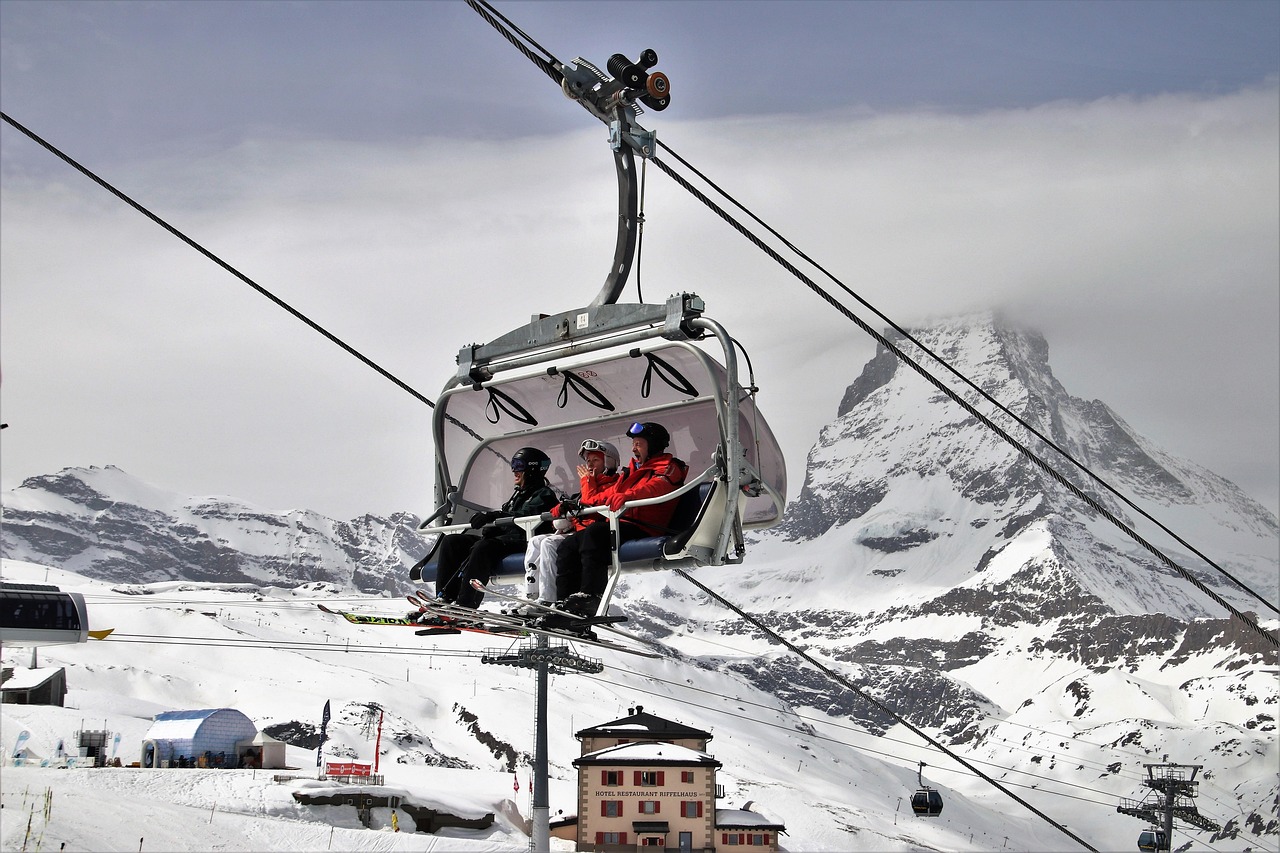
Understanding common ski lift etiquette practices can significantly enhance your experience on the slopes. First and foremost, always be ready to board the lift when it’s your turn. Prepare your gear and position your skis appropriately to ensure a smooth entry. Additionally, use caution and wait for the signal from the lift operator if one is present. Once on the lift, remain seated and facing forward, minimizing movement to prevent accidents. Avoid swinging your poles or making sudden movements that could impact fellow skiers. Merely enjoying the ride and taking in the scenery can also enhance your experience. If you are skiing with friends, maintain a conversational volume to respect others around you. Moreover, if someone falls while unloading, be sure to assist them, as a gesture of kindness can go a long way in promoting community spirit on the mountain. This helps build friendships and camaraderie among ski enthusiasts. If you notice someone struggling, offering help is not just courteous; it is part of the ski culture. Engaging in these best practices creates a warm, supportive skiing environment.
Different ski resorts may have unique cultural variations in ski lift etiquette. Understanding these nuances can help skiers adapt to various locations and experiences. For example, some resorts may emphasize the importance of quietness on lifts, while others encourage jovial interactions among riders. Becoming familiar with local customs often enables smoother experiences and richer interactions with fellow skiers. Additionally, ski schools often reinforce essential etiquette through lessons. As newcomers learn the sport, they also gain valuable insights into respecting fellow skiers. Learning about local rules or even informal customs can avoid misunderstandings or awkward situations. Skiers can check the resort’s guidelines or connect with staff for specific advice. These interactions not only enhance knowledge but build a sense of belonging among different skiing communities. Comprehending local variations can deepen the enjoyment of each skiing trip. Overall, embracing these elements fosters a welcoming atmosphere for all. Each experience can strengthen the ties between skiers, further promoting the enjoyment of winter sports. Ultimately, it’s this combination of awareness and respect that ensures every skier contributes positively to the shared experience.
The Role of Ski Resorts in Promoting Etiquette
Ski resorts play a significant role in promoting proper etiquette among their visitors. By establishing guidelines and suggesting best practices, resorts can ensure that skiers respect one another. Among the most common initiatives are signage placed strategically at lift areas. These signs often list expected behaviors, reminding skiers of the importance of patience and respect for others. Such measures can significantly reduce misunderstandings or conflicts on busy days. Furthermore, resorts frequently offer safety demonstrations during peak seasons. These sessions educate newcomers and reacquaint seasoned skiers with essential etiquette. Providing structured lessons or workshops allows skiers to learn directly from trained instructors. These sessions often cover how to safely navigate lifts while adhering to expected behavior. In addition, resorts may employ staff to monitor lift areas and assist visitors with any questions. Accessibility to resources promotes a culture of consideration among skiers. By incorporating etiquette into daily operations, ski resorts heighten awareness and foster an inclusive atmosphere for visitors. Ultimately, it’s a shared responsibility for skiers and resorts alike to create a positive experience on the mountain.
The impact of ski lift etiquette on skiing culture cannot be overstated. As skiing is a social sport, the actions of one skier can influence the experience of many others. Poor etiquette not only leads to accidents but also creates a negative atmosphere that discourages new skiers from future participation. Conversely, when skiers embrace polite behavior, they contribute to a friendly and inviting environment. This positive atmosphere encourages novice skiers to continue learning and enjoying the sport, ultimately fostering the growth of skiing culture. Adhering to lift etiquette enhances personal enjoyment throughout the experience, as skiers feel safer in a respectful environment. Furthermore, the camaraderie built amongst skiers strengthens the community and encourages social bonds. When individuals follow etiquette, they inspire others to do the same. This chain reaction promotes unity across different skill levels and age groups as everyone works in tandem to maintain a pleasant atmosphere. Recognizing the importance of these practices leads to a culturally enriched skiing experience, elevating the enjoyment for everyone on the mountain. By promoting respect and consideration within skiing culture, everyone benefits from a more fulfilling experience.
Conclusion: Embracing Ski Lift Etiquette
Ultimately, embracing ski lift etiquette is essential for creating enjoyable experiences on the slopes. With a lively culture surrounding skiing, etiquette serves as the foundation for safety, respect, and camaraderie among skiers. Reminding ourselves of the importance of these unspoken rules can dramatically enhance the shared experiences on the mountain. As skiers, it’s vital to foster a supportive environment that encourages everyone to enjoy the exhilarating sport safely. Rethinking our behavior on lifts isn’t merely about following rules; it’s about cultivating respect for fellow skiers. By treating each other with kindness, the spirit of skiing flourishes within shared spaces, promoting connection across diverse backgrounds and abilities. This shared commitment to courteous behavior ensures that skiing continues to thrive as a beloved winter sport. Collectively, skiers hold the power to shape the future of skiing culture by ensuring proper etiquette. The endeavor to maintain a positive atmosphere relies on each individual’s choice to observe etiquette actively. Therefore, as we prepare for another thrilling ski season, let’s commit to making our lifts and slopes a welcoming haven for all who join us.
Winter sports not only offer physical challenges, but also the chance to bond with friends and family. Ski lift etiquette remains vital for enjoying these experiences fully. It influences interactions, helping to build communities of engaged skiers who respect one another. Through a shared passion for skiing, the winter sports culture continues to grow, creating lasting memories shaped by positive experiences.