
The Science Behind Chakra Meditation and Stress Reduction
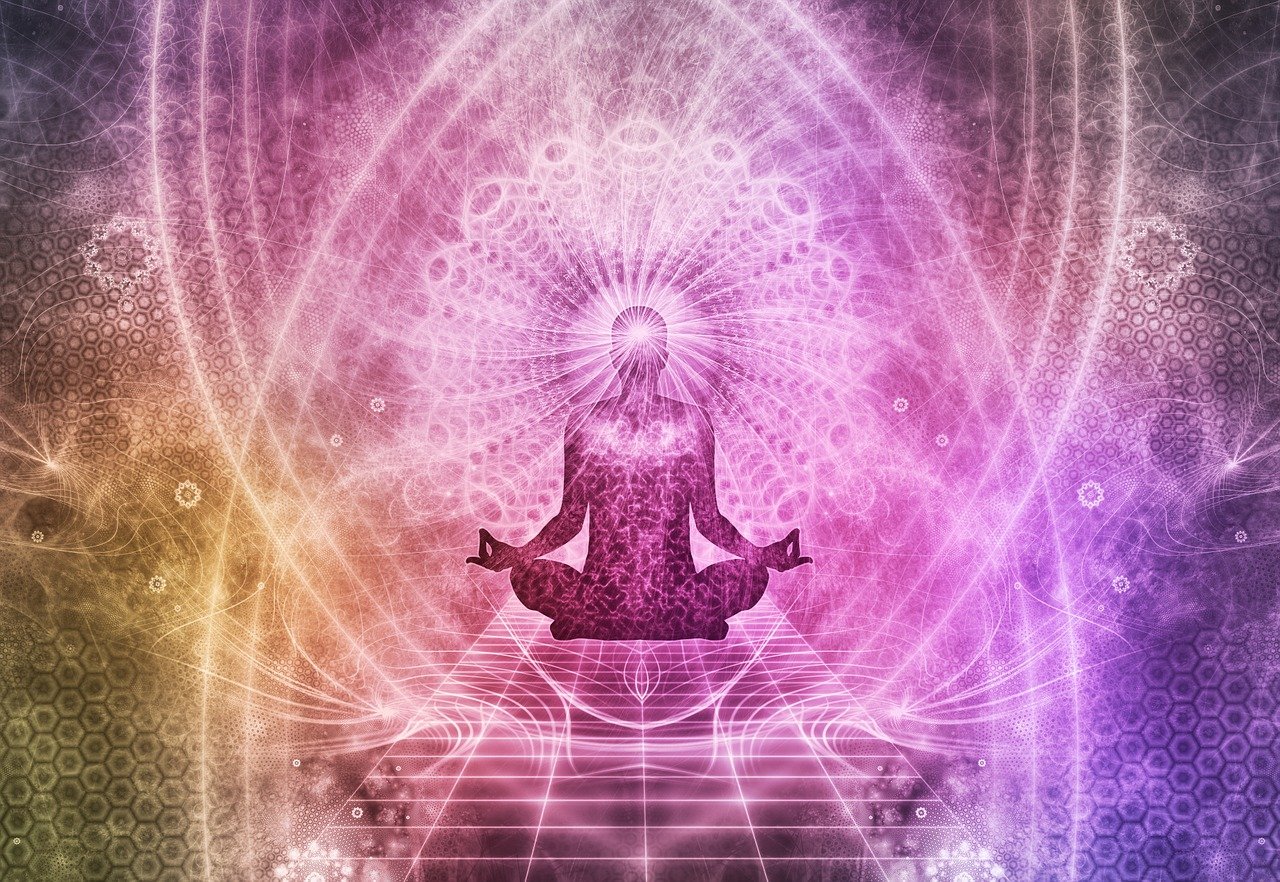
Chakra meditation is a practice rooted in ancient traditions, focusing on the subtle energy centers in our bodies known as chakras. There are seven primary chakras, each associated with different physical, emotional, and spiritual aspects of our being. Through meditation, practitioners aim to balance and align these chakras, promoting overall well-being. The underlying science supports the efficacy of chakra meditation as a tool for stress reduction. Studies have indicated that engaging in meditative practices can alter brain patterns, leading to reduced anxiety and a greater feeling of peace. Neuroimaging research shows that mindfulness meditation positively affects brain activity related to emotional regulation. Consequently, calming the mind enables a smoother flow of energy through the chakras, enhancing emotional clarity. Therefore, chakra meditation not only aligns energy but also contributes to reducing stress-induced physical symptoms. This balance at a physiological level ultimately helps cultivate resilience against daily stressors. Moreover, embracing chakra meditation may empower individuals to navigate emotional challenges with grace, transforming stress into a manageable aspect of their lives. Ultimately, this holistic approach to wellness can prompt profound changes in perspectives and emotional responses.
By practicing chakra meditation, individuals essentially learn to harness their energy effectively, which can profoundly impact stress management. Each chakra relates to different areas within our lives, such as the Root Chakra linking to survival instincts and security, while the Heart Chakra connects to love and emotional well-being. This intricate connection suggests that when one chakra is blocked or misaligned, it can manifest as stress or emotional unrest. Chakra meditation techniques might include visualization, affirmations, and breath control, which facilitate the release of pent-up emotions. A study published in the Journal of Alternative and Complementary Medicine highlighted that participants who engaged in chakra meditation reported significant decreases in stress levels and improvements in overall mood. Techniques that focus on chakra activation can promote a heightened awareness of bodily sensations and feelings. This increased mindfulness may also lead to insightful realizations and a deeper understanding of one’s personal challenges. Additionally, by centering attention on these energy points, individuals can develop a greater sense of self-awareness, allowing them to tackle stressors more effectively. When tackling daily anxieties, this practice can encourage personal growth and emotional liberation.
Physiological Effects of Chakra Meditation
The physiological effects of chakra meditation extend beyond emotional benefits, encompassing several health improvements as well. Research has found that regular meditation practice can reduce blood pressure, lower heart rate, and even enhance immune system functioning. Through relaxation techniques within chakra meditation, the body enters a state that counteracts the stress response, thereby promoting physical healing. A study in the International Journal of Yoga revealed that participants engaging in meditation experienced significant improvements in physical markers of stress, such as cortisol levels. Reducing cortisol leads to a myriad of health benefits, including reduced inflammation and a lower risk for chronic diseases. Furthermore, balancing the chakras aids in alleviating physical tension often associated with stress, contributing to overall relaxation. By allowing energy to flow freely through the chakras, the body can facilitate a holistic healing process. This alignment fosters both mental and physical well-being, culminating in a more resilient individual. Understanding these physiological effects provides a more comprehensive insight into why chakra meditation has become a popular practice for those seeking stress relief and improvement in their overall health.
Moreover, the link between chakra meditation and stress reduction also emphasizes the importance of emotional understanding. Each chakra governs different emotional states and experiences; when balanced, they lead to harmony between mind and body. For instance, when practitioners work specifically on the Throat Chakra, they may find improvements in self-expression, which can reduce feelings of frustration and stress. As individuals tackle their emotional burdens, they often experience clarity that can help them prioritize what truly matters. This emotional clarity results in individuals better equipped to make decisions and manage conflict constructively. Additionally, chakra meditation can lead to enhanced creativity as energy blocks are removed, allowing for a free flow of thoughts and ideas. When creativity flourishes, it becomes easier to problem-solve and adapt to challenges. Ultimately, the practice encourages a deep connection with one’s inner self, allowing individuals to embrace their emotions without fear. Embracing emotional insight as part of chakra meditation fosters not only stress relief but also personal growth. This growth directly impacts relationships and overall life satisfaction, supporting a fulfilling and dynamic existence.
Integrating Chakra Meditation into Daily Life
To integrate chakra meditation into daily life, it’s important to establish a consistent practice. This can be as brief as five minutes a day dedicated to focusing on each chakra. Finding a quiet space and setting an intention can enhance the experience significantly. Individuals can explore guided meditations or audio resources that facilitate chakra work, enabling deeper understanding and practice. Journaling about experiences and feelings related to meditation can also be beneficial. This reflective process helps track progress and identify emotional patterns over time. Additionally, incorporating elements such as crystals associated with each chakra can amplify the effects. For example, amethyst is often linked to the Crown Chakra and can be used as a focal point during meditation. Practitioners may also consider working with essential oils, encouraging a multi-sensory approach to their meditation practice. Establishing connections with supportive communities or online groups can provide encouragement and motivation. Engaging in discussions with like-minded individuals further deepens understanding and allows for shared experiences. Ultimately, incorporating chakra meditation promotes not only stress reduction but a fuller embrace of life’s complexities.
Embracing the Journey of Chakra Meditation invites practitioners to consider the importance of commitment to the process. Individual experiences may vary, with some finding instant relief and others requiring time to notice significant changes. The personal journey through chakra meditation can be transformative, deepening self-awareness and leading to profound insights. As practitioners navigate emotional landscapes, they often discover hidden strengths and resilience. The process of unraveling layers of stress and emotional congestion may reveal aspects of the self previously left unexplored. It’s essential to approach this practice with patience and self-compassion. Acknowledge that growth happens at different paces for everyone. Attuning to the body’s signals will facilitate a deeper connection to one’s own needs and desires. Over time, the rewarding nature of chakra meditation fosters not only stress relief but emphasizes the beauty of the present moment. It empowers individuals to cultivate presence, acceptance, and a holistic view of well-being. Thus, it transforms an ancient practice into a contemporary tool for better living, intertwining self-care with everyday existence. Prioritizing such holistic practices ultimately leads to a greater understanding of oneself and others.
Conclusion: The Power of Chakra Meditation
In conclusion, chakra meditation serves as a practical approach to stress reduction and emotional healing. Its benefits can be seen across physical, emotional, and spiritual dimensions, promoting holistic wellness. By focusing on the energy centers within our bodies, we harness the ability to promote balance and resilience against life’s stresses. Embracing the science behind this practice sheds light on its effectiveness, and further encourages individuals to incorporate it into daily routines. Through meditation, one can cultivate a deeper awareness of personal challenges while simultaneously unlocking potential for growth. As research continues to support these claims, increasing numbers of people turn to chakra meditation for guidance in managing stress. The journey of meditation is unique for every individual and provides a diverse range of experiences. By fostering inner peace, meditation invites personal transformation and emotional liberation. Overall, the practice encourages a compassionate relationship with oneself and offers powerful tools for navigating life’s complexities. These tools not only empower individuals but also foster a supportive environment for others on their unique journeys to wellness.
This transformative practice encourages balance, emotional clarity, and a profound connection with one’s inner self, ultimately leading to a more fulfilling life. In a world filled with rapid changes and stressors, chakra meditation stands out as a beacon of hope for those seeking tranquility and coping mechanisms. By unlocking the power of these energy centers, individuals can embark on a path toward enhanced well-being, a journey worth undertaking.