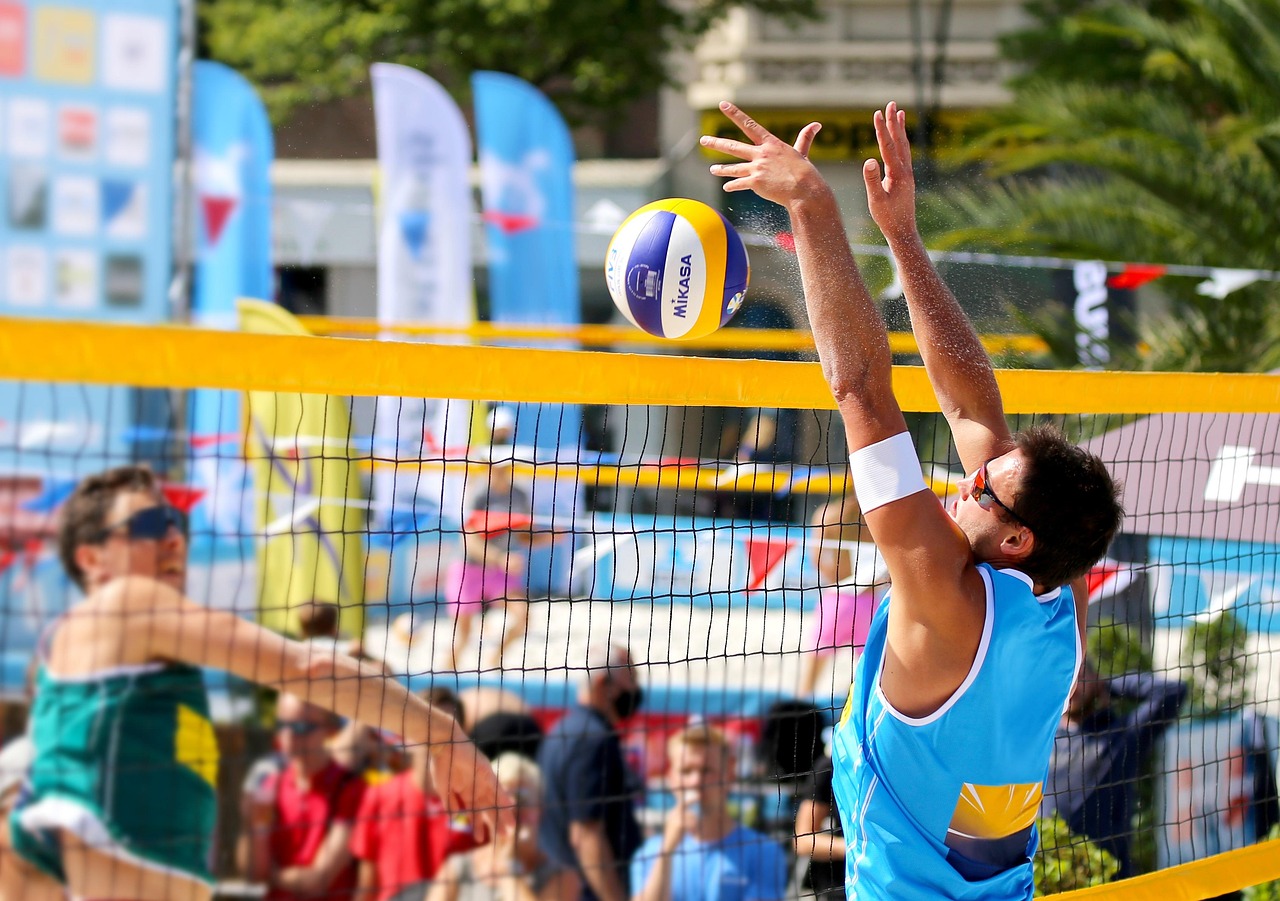

The Science Behind Volleyball-Specific Strength Training
Volleyball strength training is crucial for enhancing performance on the court. It focuses on developing specific muscle groups that contribute to essential movements during gameplay, such as jumping, hitting, and quick lateral movements. A well-designed strength program aligns with the physiological demands of volleyball, targeting explosive power, endurance, and agility. Effective training methods include resistance exercises, plyometrics, and functional movements that mimic the dynamics of the sport. By utilizing exercises specific to volleyball, athletes can improve their overall physical capabilities, which translates directly into better performance during matches. Coaches and trainers must carefully assess each athlete’s strengths and weaknesses to formulate personalized training regimens. This personalized approach allows for optimal gains and minimizes injury risk. For volleyball players, integrating strength training exercises into their routine is not optional; it’s foundational. Incorporating exercises like squats, lunges, and deadlifts can enhance lower body strength, while upper body strength can be developed through bench presses and rows. Understanding these principles is key for athletes eager to elevate their game through scientifically backed training methods.
The first step in volleyball strength training is to establish a solid base of overall strength. This foundation is critical before engaging in more sport-specific exercises. Using compound movements that recruit multiple muscle groups is an effective strategy. Exercises such as squats, deadlifts, and bench presses help build this necessary foundation, promoting increased strength and power. Stability exercises should also be considered, as they improve balance and coordination—two vital attributes for any volleyball player. Core stability is especially important since it supports all movements during a match, from serving to spiking. Properly incorporating mobility work into a training plan is essential to prevent injuries and ensure full range of motion. Furthermore, integrating strength training with conditioning workouts will enhance muscles’ resistance to fatigue. This approach prepares athletes to maintain high performance levels throughout matches. Additionally, volleyball-specific drills focusing on explosive power, such as jump squats or medicine ball throws, can lead to improved performance when it counts most. Overall, an integrated strength training program tailored for volleyball can significantly enhance athletic performance on the court.
Understanding Muscle Dynamics in Volleyball
Understanding how muscles work together during volleyball is pivotal for effective strength training. The demanding nature of the game requires athletes to utilize fast-twitch muscle fibers responsible for explosive movements. By prioritizing exercises that engage these fibers, athletes can improve their competitiveness on the court. Plyometric training is particularly beneficial, as it emphasizes speed and power, mimicking the short bursts of energy during matches. Incorporating box jumps, power cleans, or medicine ball slams into a training routine can help develop explosiveness. Furthermore, muscle imbalances due to repetitive motions in volleyball can lead to injuries over time. A comprehensive strength training program should address these imbalances by targeting the opposing muscle groups. For example, while athletes commonly strengthen their shoulders for serves and spikes, their rotator cuff muscles should also be engaged to prevent injuries. Keeping a balanced training approach ensures that a player not only excels in their strengths but also supports their overall physical health. Moreover, a dedicated focus on strength helps build a mental edge that can be just as crucial as physical ability in competitive settings.
Incorporating flexibility training into the volleyball strength regimen is also paramount. Flexible muscles can perform movements with greater ease and efficiency, enabling jump height and arm reach to remain optimal. Stretching pre- and post-workouts enhances blood flow and reduces the risk of injury. Athletes should include dynamic stretches to warm-up their muscles before a training session and static stretches to cool them down afterward. Yoga and Pilates can be incredibly effective complementary practices to enhance flexibility. Yoga, in particular, improves core strength, balance, and body alignment—all beneficial for achieving peak performance during matches. Additionally, a well-rounded strength training program should integrate sport-specific skills while training, so that athletes build muscle memory for on-court movements. Skills such as spiking, setting, and serving can be practiced alongside strength-building exercises to improve coordination and technique. Taking time to recognize and address the intricacies involved in strength training enables athletes to unlock their full potential, transforming training into sport-enhancing efforts. This holistic approach ultimately leads to more confident and effective athletes ready to face opponents on the court with resilience.
Measurement and Progress Tracking
Measuring progress in strength training is vital for volleyball athletes, as it provides insights into the effectiveness of their program. Utilizing benchmarks like vertical jump height and weightlifting maxes can help track improvements over time. Regular assessments ensure that athletes remain on the right path and highlight areas needing adjustment. Coaches should implement systematic testing protocols every few months to evaluate an athlete’s strength gains, speed, and overall conditioning. Additionally, keeping detailed training logs assists athletes in recognizing patterns in their progression. These logs can also motivate athletes, showcasing how hard work leads to tangible improvements. Another important aspect is addressing recovery and nutrition alongside strength training. Adequate rest periods allow the muscles to repair and grow, while proper nutrition fuels this process. Focusing on a balanced diet rich in protein, carbohydrates, and healthy fats is indispensable for athletes to support their training needs. Nutritional strategies should be individualized, considering caloric needs and preferences. Staying hydrated is equally critical, as fluids significantly impact an athlete’s performance and recovery. Well-rounded strength training, monitored meticulously, leads to improved outputs during matches, reinforcing the player’s dedication and growth.
Staying informed about volleyball training trends can further enhance athletes’ strength training programs. Engaging with ongoing research can provide insights into best practices and innovative techniques. Many athletes benefit from attending workshops, reading sports science literature, or consulting with strength and conditioning coaches. Emphasizing neuromuscular adaptations through training can help volleyball players reach unprecedented heights. These adaptations improve communication between the nervous system and muscles, allowing athletes to produce rapid and powerful movements efficiently. Implementing rest exercises while maintaining high training loads can become effective for sustaining muscle growth. Moreover, modern technology enables athletes to utilize wearables and apps to manage their training loads intricately. Monitoring heart rates, performance metrics, and recovery times can result in better training decisions for athletes. Virtual reality (VR) techniques may become invaluable in simulating match scenarios for strength development and decision-making training, furthering the science behind volleyball training. Ultimately, an athlete’s quest for success in volleyball lies not only in physical prowess but also in embracing ever-evolving strategies driven by scientific understanding, ensuring a competitive edge over opponents through holistic training approaches.
Conclusion: Empowering Volleyball Athletes
In conclusion, the science behind volleyball-specific strength training is multifaceted yet crucial for competitive athletes. Players who dedicate themselves to a well-planned training regimen that emphasizes the importance of strength, flexibility, and conditioning will witness remarkable gains on the court. Coaches should prioritize individualized strength training programs to address each athlete’s unique needs while fostering long-term athletic development. Furthermore, athletes should embrace a holistic training approach that combines strength work with technical skills and necessary recovery methods. Acknowledging the significance of fitness fundamentals remains paramount to enhancing performance while reducing injury risks. Investing time in learning about the physiological aspects of strength training can empower volleyball players, ultimately impacting their performance and resilience. Lastly, continual progress assessment is vital for adapting training strategies effectively. Engaging in knowledge-sharing within communities of volleyball athletes and professionals can contribute to shared successes. The future of volleyball lies in balanced strength, coordination, and tactical skills—ensuring players achieve their best in the sport they cherish. With dedication, athletes can transform their physical capabilities, gaining a competitive advantage during every match they play.
The importance of mental training alongside physical preparation cannot be overstated. Volleyball athletes need to develop resilience, focus, and tactical awareness to maximize their abilities on the court. Mental skills training should be integrated into strength programs to create well-rounded athletes. Visualization techniques can enhance performance by forming mental images of successful execution of skills under pressure. This technique allows players to prepare mentally for competition, increasing confidence in their abilities. Additionally, setting specific, measurable, achievable, relevant, and time-bound (SMART) goals provides a framework for motivation and accountability. Athletes who recognize their progress through these goals may experience significant boosts in performance. Social support plays a vital role in maintaining motivation, and camaraderie among teammates can enhance training experiences. Working together towards common goals not only bolsters individual improvement but also strengthens team dynamics. Building a strong team culture embracing resilience, growth, and positivity fosters an environment conducive to success. Lastly, embracing challenges and setting high expectations can pave the way for personal breakthroughs when faced with adversity in matches, facilitating development, skill enhancement, and fostering bonds that last beyond the court.