
Adapting Your Training for Different Obstacle Course Race Distances
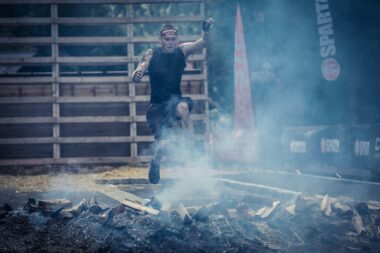
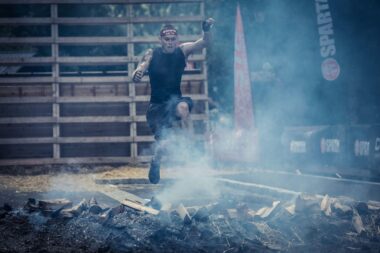
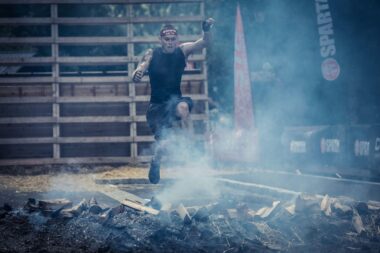
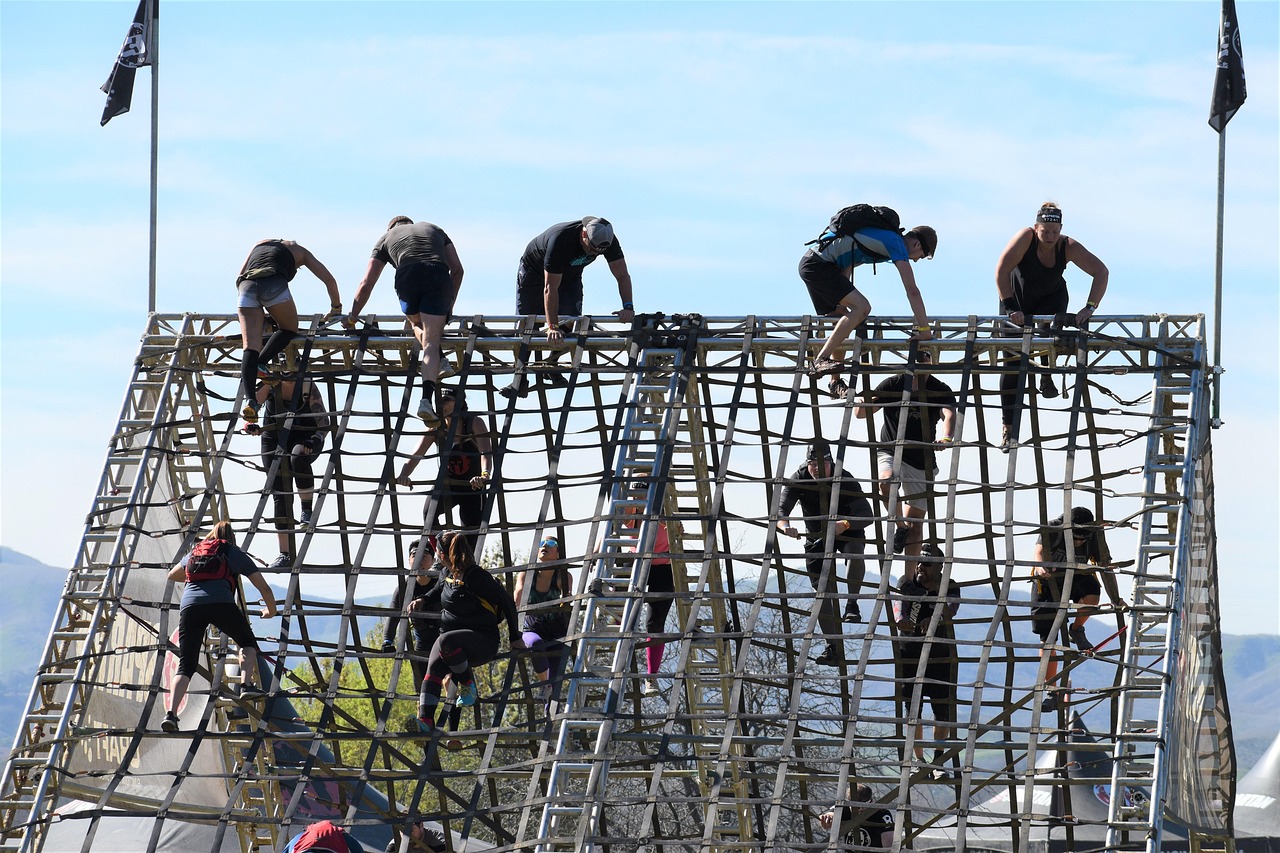
Obstacle course racing (OCR) provides a unique blend of agility, endurance, and strength challenges. Preparing for races of varying distances dramatically alters the focus of your training regimen. Understanding the distinctions between short, medium, and long races is crucial. Short races, typically under 5 kilometers, prioritize speed and explosive power. In contrast, longer races require a strong endurance foundation. Start by establishing a base fitness level through cardiovascular activities like running or cycling. It’s important to incorporate strength training into your routine. Exercises focusing on core strength, such as planks and Russian twists, enhance stability. Workouts should include resistance training targeting major muscle groups using equipment like kettlebells or bodyweight exercises. Additionally, practicing OCR-specific movements is vital, including climbing techniques and balance drills. Cross-training modalities like swimming or hiking improve overall athleticism and prepare you for varied terrains. Test your progress regularly by participating in practice races or timed trials, allowing you to adjust your strategy. Ultimately, an adaptable training program will lead to improved race performance, helping you navigate any obstacle course distance with confidence.
Each obstacle course presents unique challenges, and the approach to training must adapt accordingly. For short races, focus should be on developing sprinting capabilities, minimizing rest periods during training sessions. High-intensity interval training (HIIT) is effective for building speed and cardiovascular endurance. By integrating sprint intervals—short bursts of high effort followed by brief recovery—you mimic race conditions. This preparation will ensure that muscle endurance is maintained while enhancing explosive energy. Moreover, involve drills that facilitate quick transitions between obstacles, such as ladder drills or quick footwork exercises. Conditioning plays a crucial role in enhancing resilience against fatigue. Nutrition also impacts your training, as optimizing macronutrient ratios can fuel performance. A well-balanced diet rich in carbohydrates, proteins, and healthy fats should be prioritized. Adequate hydration is equally essential for peak performance, ensuring proper muscle function. Furthermore, practicing mental resilience is key in obstacle races. Visualization techniques can bolster confidence when approaching challenging obstacles. Having a well-rounded focus on physical training, nutrition, and mental preparation will vastly improve your ability to tackle short and long races alike.
Training Techniques for Mid-Distance Races
Mid-distance races, usually ranging from 5 to 10 kilometers, necessitate a mixed training approach that balances endurance and speed work. Begin with longer continuous runs to build aerobic capacity while ensuring that you maintain proper running form. Incorporating tempo runs introduces a threshold training element, improving your lactate tolerance. Engage in interval training, alternating fast-paced sections with recovery runs to simulate race conditions. Circuit training that combines cardio and strength exercises ensures overall body conditioning. Frontal and lateral mobility drills improve agility, which is essential for navigating diverse obstacles. Additionally, incorporating compound movements, such as squats and deadlifts, promotes functional strength vital for obstacle navigation. Recovery should not be overlooked—prioritize rest and restorative exercises like yoga or foam rolling to prevent injuries. Develop a structured training schedule, allocating specific days for speed work, endurance sessions, and recovery. Cross-training may include swimming, as it enhances cardiovascular fitness without the impact of running. Focus on maintaining a dynamic warm-up to prepare muscles before workouts. Overall, a mix of speed, strength, and stamina will cement your readiness for mid-distance races, ensuring optimal performance on race day.
Long-distance obstacle races, often extending beyond 10 kilometers, mandate a strategic, endurance-focused training regimen. It’s essential to prioritize long runs, gradually increasing distance to develop the stamina needed. Start each week with varying distance runs, incorporating pace changes to simulate race conditions. Strength training remains critical; emphasize lower body and core exercises which will support obstacles requiring lifting or climbing. Long runs should incorporate obstacle simulations, practicing techniques on hills, barriers, and water challenges. Incorporate walking intervals into training to enhance recovery, allowing for sustained endurance over longer intervals. Hydration strategies during training runs are crucial, as they parallel race-day conditions. To optimize performance, increase your calorie intake during longer workouts, utilizing energy gels or snacks specifically designed for endurance athletes. Monitoring your heart rate can also guide your training intensity, helping manage your performance during long races. Mental conditioning cannot be ignored; visualizing race-day challenges and mastering positive self-talk strengthens psychological stamina. Explore meditation techniques to bolster mental focus under physical strain. Ultimately, these strategies ensure all-around preparedness for tackling long-distance obstacle courses effectively.
Essential Equipment for Obstacle Course Training
The right equipment can dramatically enhance your training experience for obstacle course racing. Consider investing in quality footwear designed specifically for OCR events. A durable pair of trail running shoes with excellent traction provides the necessary grip and stability on uneven surfaces. Sturdy gloves protect your hands during climbing and crawling phases of the race. Additionally, wearing moisture-wicking clothing helps manage sweat and enhances comfort levels during workouts. Utilizing resistance bands aids in strength training, perfect for building muscle power crucial for many OCR tasks. Climbing gear, such as a harness or rope, can prepare you for elevated obstacle challenges. Functional training equipment, like kettlebells and dumbbells, should be included in your routine for versatility. Proper hydration packs or belts become invaluable during long training sessions where access to water may be limited. Furthermore, having a gym membership or access to outdoor spaces for varied terrain training broadens your options. Prioritizing the right equipment will enable you to train efficiently and adapt your workout to the specific challenges of the obstacle course ahead.
Apart from physical preparation, nutrition plays a pivotal role in optimizing your training for obstacle course racing. Focus on nutrient-dense foods, aiming for a balanced diet rich in whole grains, lean proteins, and healthy fats. Timing your meals strategically around workouts supports energy levels. A pre-workout meal consisting of easily digestible carbohydrates helps sustain your energy during training sessions. Post-workout nutrition must restore muscle glycogen and expedite recovery; consider protein-rich foods or shakes. Incorporating micronutrients through fruits and vegetables provides essential vitamins to bolster your immune system. Experimenting with meal timing and composition allows you to pinpoint what fuels your body best on race days. As you adjust your training, observe how various foods impact your performance. Hydration cannot be overemphasized; make it a habit to drink water consistently throughout the day. Keeping a hydration schedule during workouts ensures you remain properly hydrated, optimizing endurance and focus. Ultimately, tailored nutritional strategies will support your training progress, allowing you to tackle the diverse challenges within obstacle course races effectively.
Planning Your Race Day Strategy
Race day can be both exhilarating and nerve-wracking, making strategic planning paramount. Proper preparation in the days leading up to the race is crucial. Familiarize yourself with the race course by reviewing maps and identifying key obstacles to plan your approach. Ensure you arrive at the venue early, allowing ample time for registration and warm-ups. On race day, maintain a reliable pre-race routine to center yourself mentally. Hydration is essential; schedule your water intake appropriately before the race begins. Setting realistic pacing goals can help you manage your energy effectively throughout the race. As you approach obstacles, visualize overcoming each one, maintaining a positive mindset. Remember to breathe and stay relaxed; this will enhance your stamina during challenging sections. Assess your gear before the start and ensure you have everything you need. Incorporate flexible tactics; if something doesn’t go according to plan, be prepared to adapt your approach. Lastly, enjoy the experience! Celebrating your hard work and dedication will keep motivation high. With confidence in your preparation, you are better prepared to embrace whatever challenges arise during the race.
In conclusion, adapting your training for different obstacle course race distances requires consideration of fitness, endurance, and tactical strategies. Understanding the requirements of short, mid, and long distances helps you tailor your approach effectively. Each race distance emphasizes different strengths; thus, your training should mirror this philosophy. Combine aerobic conditioning and strength training, and don’t forget the importance of rest and recovery. Nutrition and mental preparation are vital in enhancing performance on race day. Taking time to strategize your approach before entering any OCR can give you a competitive edge, ensuring you tackle challenges with confidence. Remember to invest in appropriate gear and refine your skills through practice as this will contribute to your success in overcoming obstacles. Consider participating in smaller events prior to major races to familiarize yourself with competitive environments and refine your training. Ultimately, maintaining a dynamic and adaptable training routine will prepare you for the unpredictable nature of obstacle courses, fostering resilience both physically and mentally. Embrace the journey ahead and aim for continual improvement—your dedication will bring you closer to accomplishing your OCR goals.