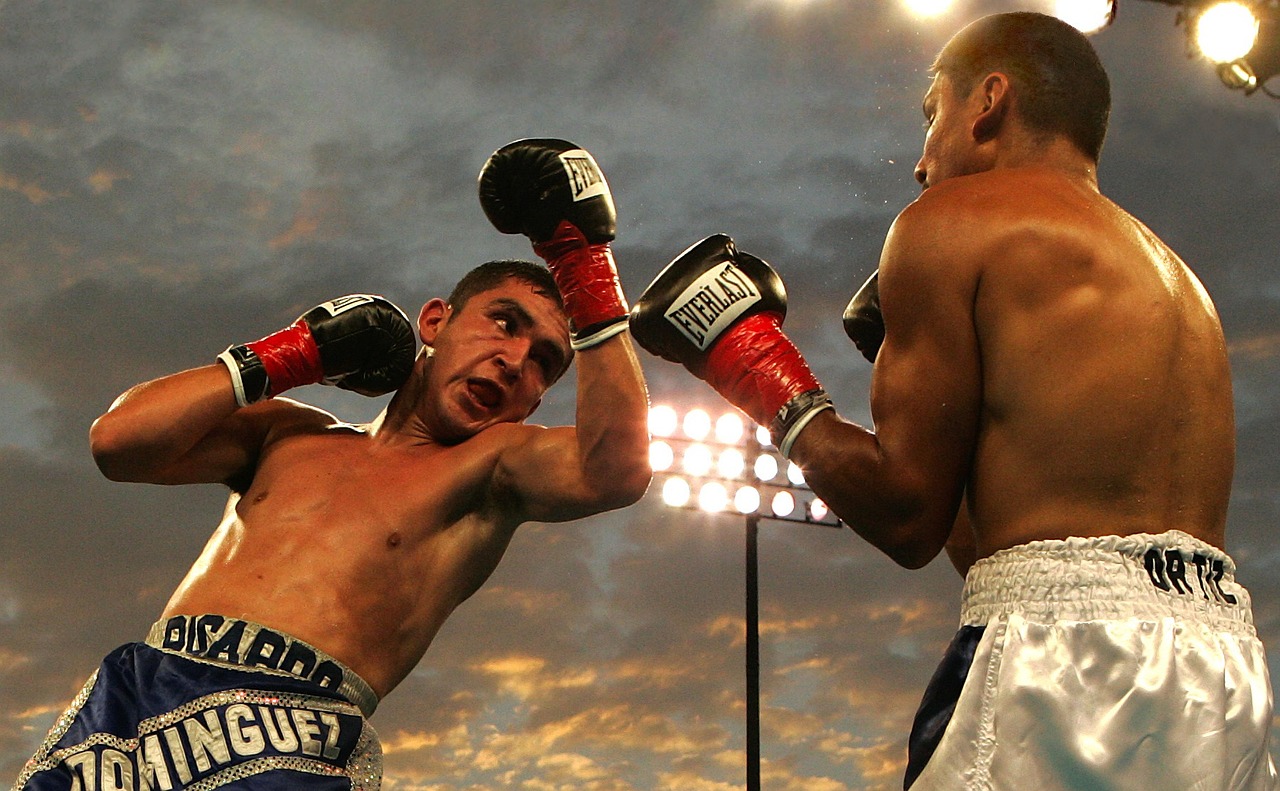

Boxing in the 20th Century: Key Moments and Milestones
The 20th century was a significant era for boxing, marked by extraordinary fighters who left a lasting impact on the sport. The beginning of this century saw the rise of legendary champions like Jack Dempsey, whose fierce fighting style captured the imagination of fans. During the 1930s, Joe Louis emerged as a symbol of hope and resilience, especially for African Americans during a turbulent time in history. The Gold heavyweight champion transformed boxing into a mainstream spectacle, drawing large crowds and generating significant earnings. Innovations in training regimes and techniques emerged during these years, further impacting how fighters approached their craft. The advent of television played a crucial role in increasing boxing’s popularity. Matches became widely accessible, elevating the sport to national, if not global, prominence. Iconic bouts, such as the famous Louis-Schmeling fight, underscored the social dynamics present within the sport. Media coverage began to treat boxers as celebrities, adding pressure and scrutiny. The fusion of boxing with popular culture marked another crucial moment in the sport’s evolution, paving the way for future legends. This strong foundation set the scene for further developments in boxing.
During the 1950s, the sport witnessed significant shifts in styles and tactics. The emergence of new stars like Sugar Ray Robinson and Rocky Marciano captivated fans with their unique approaches to boxing. Robinson, often regarded as one of the greatest pound-for-pound fighters, combined speed and skill with knockout power. Marciano, on the other hand, showcased an unmatched dedication and relentless fighting spirit that earned him the title of heavyweight champion. Their rivalries and legendary matches contributed to increasing audiences, inspiring the next generation of boxers. Additionally, during this period, the establishment of strict regulations and commissions improved standards across the sport. New boxing organizations began to form, elevating the competition and challenging traditional norms. The introduction of the World Boxing Association (WBA) and the World Boxing Council (WBC) created a more structured environment for professional fighters. Boxer training regimes evolved, with an increased focus on physical fitness and mental preparation. These developments gradually shaped the way boxing was perceived and viewed by the public. Overall, the 1950s was a transformative decade that helped define a new era within the boxing landscape.
Social and Cultural Influence
The impact of boxing on society in the 20th century cannot be overstated. It transcended sports, becoming intertwined with key social movements and cultural shifts. Many champions emerged as societal heroes, breaking down racial barriers and inspiring hope among marginalized communities. Fighters like Muhammad Ali not only dominated in the ring, but also made significant contributions outside boxing. Ali’s activism against the Vietnam War and his advocacy for civil rights made him a figure of immense importance, symbolizing a broader struggle for justice. His famous fights against Sonny Liston and Joe Frazier are more than just sporting events; they represent pivotal moments that echoed the sentiments of their time. Boxing became a platform for social change, highlighting issues of race, class, and identity. As the sport gained prominence, celebrities from different fields began associating with boxers, which further amplified their status. This new cultural significance of boxing attracted an even larger audience, allowing it to evolve into a mainstream phenomenon. The power of the sport to connect people across varied backgrounds is a testament to its enduring appeal and rich history.
The 1970s and 1980s introduced a golden era for boxing, marked by unforgettable rivalries and legendary bouts. The era featured iconic fighters such as George Foreman, Mike Tyson, and Marvin Hagler. Tyson, in particular, took the boxing world by storm in the late 1980s, becoming the youngest heavyweight champion in history. His explosive style and ferocious power captivated fans, making him a household name. Meanwhile, the battle between Hagler and Leonard, known as ‘TheSuper Fight,’ brought unprecedented media coverage and excitement. These fighters brought attention to the sport, resulting in skyrocketing pay-per-view numbers and mainstream acceptance. Promotional matches became major events, celebrated with elaborate marketing and promotional campaigns that transformed boxing into a multi-million dollar industry. This period also saw the rise of female boxers, who began to carve out a niche within the traditionally male-dominated sport. With continued advancements in training and preparation, fighters increasingly honed their skills for optimal performance, leading to a higher caliber of boxing. The fusion of sports and entertainment during this time defined boxing as not only a sport but also a major cultural phenomenon.
The Shift in Dynamic
As the century progressed, the sport began to experience significant changes due to politics and regulatory bodies. Scandals and controversies, including corruption allegations and doping, prompted a push for reform, fundamentally altering the landscape of boxing. The establishment of the Commission for Boxing and regulated practices brought about a new emphasis on fighter safety. Rules and regulations were updated with a focus on ensuring fair competition and the well-being of athletes. This increased scrutiny on the sport also opened discussions about health issues related to boxing, while bringing to light the risks associated with head injuries and long-term effects. Such concerns prompted many to advocate for protective measures, leading to revised training protocols and medical evaluations. Furthermore, the public began demanding accountability from promoters and governing bodies. This shift in dynamics has been essential for addressing long-standing issues, fostering a culture of safety and fairness within boxing. These changes weren’t just procedural; they represented a crucial evolution in how the sport is managed and perceived. This awareness will affect boxing’s trajectory well into the next century.
By the end of the century, boxing faced new challenges, including the rise of alternative fighting styles and mixed martial arts (MMA). While traditional boxing remained popular, fighters transitioned to focus on a broader skill set to compete with the evolving combat sports landscape. The crossover appeal of MMA prompted a reevaluation of how boxing was marketed to fans. Promotions began leveraging popular culture and celebrities to reinvigorate interest, notably incorporating music and entertainment. The integration of advanced technology also changed how fans engage with the sport, enabling virtual viewing experiences and real-time updates. Despite these challenges, boxing’s legacy remained strong due to its profound historical significance. It continued to cultivate legendary athletes and provided opportunities for fighters to showcase their abilities on various platforms. Moreover, boxing legends from the century helped influence and inspire new generations of fighters, preserving the essence of the sport. As the century closed, the unresolved debates surrounding boxing’s future may echo perpetually. Yet, the rich tapestry of history and milestones points towards an everlasting appeal and connectivity that boxing has maintained through decades.
Conclusion: The Legacy of Boxing
The 20th century solidified boxing as more than just a sport but a profound part of cultural heritage. Key moments and legendary figures shaped an era filled with revolutionary changes, both in the ring and beyond. From the rise of iconic champions to the impact of social movements, boxing reflected deeper societal narratives. As fans look back, they see a rich history woven with drama, passion, and resilience, showcasing the triumphs and struggles of athletes. Boxers like Muhammad Ali, Joe Louis, and Rocky Marciano symbolize the essence of this remarkable journey. Their legacies serve as powerful reminders of boxing’s ability to inspire and unite people. The milestones achieved throughout this century laid the foundation for future generations of boxers. With evolving dynamics and increasing complexities within sports, boxing’s ability to adapt will be crucial for maintaining relevance. Ultimately, the sport’s resilience and ongoing influence demonstrate its enduring place in society. As we step into the next century, boxing remains an integral part of the human experience, forever capturing the essence of hard work and perseverance.