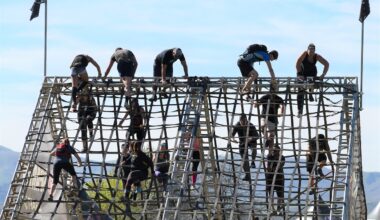

Cross-Training Benefits in Athletic Preparation
Cross-training is a highly beneficial approach for athletes aiming to enhance their overall performance while reducing the risk of injury. By integrating various training methods into an athlete’s routine, cross-training can improve endurance, strength, and flexibility across different muscle groups. This method allows athletes to work on their cardiovascular fitness through activities such as swimming, cycling, or running, depending on their primary sport. For instance, when runners incorporate cycling into their training regimen, they can improve their aerobic capacity without the repetitive impact associated with running. Furthermore, cross-training helps prevent burnout by adding variety, ensuring athletes remain motivated and engaged throughout their training period. Another vital aspect of cross-training is the potential for injury prevention; by training different muscle groups and allowing others to recover, athletes can promote better recovery processes overall. Additionally, cross-training encourages mental growth as athletes learn new skills transferable to their main sport. Overall, adopting a cross-training regimen can lead to optimized athletic performance and a longer career, as athletes maintain physical health and enjoy their training routines. To sum it up, various training modalities significantly enhance athletic preparation.
Enhancing Cardiovascular Fitness
Engaging in cross-training enables athletes to significantly enhance their cardiovascular fitness, which is crucial for peak performance. Incorporating low-impact activities such as swimming and cycling helps maintain aerobic conditioning while cushioning the joints from high-impact stress. This process ensures that athletes can build stamina and endurance without overexerting themselves. For example, swimmers can increase their lung capacity and improve overall breathing techniques, which supports their primary sport’s requirements. Furthermore, participating in different physical activities also aids in achieving overall muscle balance, preventing injuries caused by overuse. By diversifying their training, athletes are less likely to experience fatigue or strain injuries, ensuring they can maintain consistent performance levels. Moreover, cross-training allows for skill development applicable to the sport, allowing athletes to develop core strength and improve coordination. Multi-discipline training leads to better adaptation and responses during competitions, ultimately improving outcomes. Enthusiastic athletes can even expand their knowledge of fitness principles when experimenting with various exercises. Therefore, the integration of diverse training methods plays a crucial role in optimizing cardiovascular health for athletes focusing on constant improvement and injury prevention.
Resistance training is an essential component of cross-training that enhances muscle strength and power, greatly benefiting athletic preparation. Integrating weightlifting or bodyweight exercises into a training regimen promotes muscle hypertrophy, resulting in more considerable physical capabilities. Stronger muscles enable athletes to perform explosively and effectively, crucial for breaking personal records and achieving goals in competitive scenarios. Additionally, resistance training improves muscular endurance, allowing athletes to sustain their performance level throughout events. Athletes focusing on strength development also enhance their overall stability, which in turn contributes to better biomechanics during specific movements. This functional strength translates to notable improvements in an athlete’s primary sport, enabling them to execute techniques precisely. Moreover, engaging in resistance training can support tendon and ligament resilience, further reducing the risk of injuries. As part of their cross-training efforts, athletes should include various exercises targeting different muscle groups, like squats or lunges for lower body development and push-ups for upper body strength. Therefore, incorporating resistance training within cross-training serves both immediate performance goals and long-term athletic health, creating a strong foundation necessary for continued excellence.
Flexibility and mobility play a crucial role in athletic preparation, making cross-training an ideal solution for enhancing both. Practices such as yoga and Pilates significantly improve flexibility, which reduces the risk of injuries and enhances performance efficiency. When athletes are flexible, they can achieve optimal biomechanics during their primary sports, leading to better movement patterns. Improved mobility also ensures that athletes can perform tasks with greater ease during competitions, allowing them to reach their full potential. For example, athletes who practice yoga regularly report increased ranges of motion and greater body awareness, translating to improved techniques and skills in their primary sport. Additionally, flexibility training promotes faster recovery after intense workouts, as it helps alleviate muscle soreness and stiffness. Incorporating such practices into a cross-training routine allows athletes to benefit from improved physical well-being and mental clarity, which is critical for achieving competitive success. Furthermore, flexibility training supports effective joint health by strengthening surrounding muscles, leading to reduced wear and tear associated with prolonged activity. Ultimately, the focus on flexibility within cross-training routines can significantly optimize athletic performance while promoting longevity in an athlete’s career.
Mental Resilience through Diversity
A crucial yet often overlooked benefit of cross-training is the enhancement of mental resilience and adaptability, vital traits for athletes. Engaging in diverse training regimens helps athletes build confidence, as they become proficient in various skills that can be beneficial during competition. Adapting to new activities also promotes a growth mindset, enabling athletes to approach challenges with a positive perspective and increased enthusiasm. By embracing varied forms of training, athletes learn to manage setbacks better and adapt their strategies to changing conditions, nurturing mental discipline. This mental resilience translates directly to their primary sports, contributing to improved performance during competitions. The collaborative aspects of training in teams or with other athletes can also boost motivation and create supportive environments, fostering camaraderie among athletes with similar goals. Additionally, breaking the monotony of routine training keeps athletes engaged and motivated, aiding in preventing burnout. Overall, by prioritizing mental resilience through diverse training methods, athletes develop essential skills that support both their current performance and future success. Therefore, cross-training not only optimizes physical performance but also cultivates a robust mindset crucial for overcoming obstacles.
Nutritional considerations are also vital when adopting a cross-training routine, as fueling the body adequately supports optimal performance. Athletes need to evaluate their energy requirements as they engage in varied activities, ensuring they consume the right balance of carbohydrates, proteins, and fats. Proper nutrition enables athletes to recover from workouts efficiently while maximizing the benefits of cross-training. Additionally, ensuring adequate hydration is essential, especially when engaging in high-intensity sessions or endurance activities. Athletes are encouraged to experiment with nutrition strategies to identify how different foods impact their performance and recovery. For example, consuming simple carbohydrates before workouts can provide a quick energy source, while protein intake post-exercise assists muscle recovery. Athletes should also prioritize consuming nutrient-dense foods to support the increased demands of their cross-training regimen. Furthermore, collaborating with a nutritionist or sports dietitian can help tailor meal plans that align with their specific training needs. Overall, a well-rounded approach to nutrition in conjunction with cross-training enhances athletic potential while promoting overall health, ensuring competitive readiness across various sports.
Conclusion
In conclusion, the benefits of cross-training in athletic preparation are numerous and impactful, providing athletes with essential tools for success. By enhancing cardiovascular fitness, building strength, and improving flexibility, athletes create a well-rounded training program that reduces injury risks and promotes longevity. Furthermore, the mental resilience gained through diverse training fosters adaptability and strengthens overall performance quality. Proper nutrition plays a crucial role in complementing the cross-training regimen, ensuring athletes are adequately fueled for their training demands. As athletes incorporate different activities, they not only improve physical capabilities but also cultivate a holistic approach to their fitness journey. The variety offered by cross-training keeps training enjoyable and engaging, which ultimately leads to sustainable improvements over time. Athletes who embrace this innovative approach are better equipped to face the challenges of their primary sports, fully prepared for competition day. Therefore, incorporating cross-training into an athletic routine is not just a trend; it is a comprehensive strategy aimed at promoting excellence across various sport domains, ensuring that athletes reach their fullest potential in performance.
The evidence suggests that cross-training enhances overall athletic performance, supports injury prevention, and leads to a more profound enjoyment of physical activity.