
Pseudo Planche Push-ups vs Regular Push-ups: Key Differences
Push-ups are a fundamental exercise for building upper body strength, but variations significantly impact their difficulty and muscle engagement. Regular push-ups primarily target the pectorals, deltoids, and triceps, forming a solid foundation for anyone beginning their fitness journey. They are easily modifiable in terms of speed, incline, and hand placement, allowing beginners to gradually increase difficulty. Furthermore, consistency in performing push-ups can foster endurance and strength gains over time. By mastering traditional push-ups, individuals can build the necessary strength to progress to more advanced variations. Meanwhile, pseudo planche push-ups add complexity to this familiar move, requiring a greater demand on the shoulders, chest, and core. By shifting the body’s weight forward, the tension shifts and forces the muscles to work harder. This progressive overload is crucial for muscle growth and achieving fitness objectives. Additionally, the increased requirement of stabilizing the body significantly develops core strength. It is essential for those looking to enhance their skill level in calisthenics. Understanding these variations better equips individuals to tailor their workouts for maximum results.
Muscle Engagement and Benefits
When comparing muscle engagement in pseudo planche push-ups and regular push-ups, it becomes evident that their benefits differ. Regular push-ups emphasize strength development in the chest, triceps, and shoulders. They are excellent for overall muscle building and enhance stability in those primary areas. However, the emphasis on muscles shifts significantly in pseudo planche push-ups, activating the core and shoulders more intensely. This crucial adjustment increases the difficulty level, making them more beneficial for advanced calisthenics practitioners. Improved shoulder stability and core strength are essential components of a robust fitness journey. Furthermore, developing these key areas not only benefits push-up performance but also translates to improved movements in various sports and activities. Enhanced stability gained through pseudo planche push-ups can also reduce the risk of injury by promoting better posture and body alignment during other exercises. Whether targeting muscle endurance or explosiveness, understanding these differences is vital as athletes navigate their fitness paths. The correct technique and form are crucial for both variations to ensure safe execution. This kind of knowledge can help individuals effectively reach their fitness aspirations while minimizing risks.
Another noteworthy difference is the skill requirement for each push-up variation. Regular push-ups require a basic understanding of form and execution, making them accessible for beginners. As individuals build strength and control, they can easily incorporate different styles, such as decline or diamond push-ups, into their routine. These allow further progression and increased muscle engagement over time. On the other hand, pseudo planche push-ups are inherently more complex. They necessitate advanced body awareness and control, often proving daunting for those new to calisthenics. Achieving proper form demands a solid foundation of strength and technique in traditional push-ups. Furthermore, the learning curve for advanced practitioners may pivot on mastering body position, control, and balance. Those lacking adequate strength might struggle with the forward lean essential for this variation. Consequently, having proficiency in regular push-ups ensures adequate preparation for accessing the benefits of pseudo planche push-ups. Gradually integrating these advanced techniques can effectively challenge practitioners and yield significant strength gains while supporting overall fitness progression.
In terms of progression, embarking on the journey from regular push-ups to pseudo planche variations can be streamlined by systematic training. Initially, athletes should enhance core strength and shoulder stability through auxiliary exercises. Plank variations, shoulder taps, and scapular push-ups serve as excellent foundations for mastering the advanced variant. Such foundational work prepares the body for the increased strain incurred during pseudo planche push-ups. Practitioners should also focus on flexibility to mitigate injury risks and promote better movement patterns throughout. Adding mobility drills targeting the shoulders, wrists, and hips into one’s training regime can significantly benefit performance. As individuals grow stronger in their core, they may progressively explore greater forward lean in regular push-ups, bridging the gap between the two variations. Through this structured approach, athletes can adapt their workouts efficiently and safely. Monitoring progress is crucial; individuals should track their intensity of workouts and muscle engagement over time. By doing so, push-up performance can be enhanced and optimize results while successfully integrating advanced movements. Finally, maintaining a balanced workout regimen ensures various muscle groups are effectively engaged.
Common Mistakes to Avoid
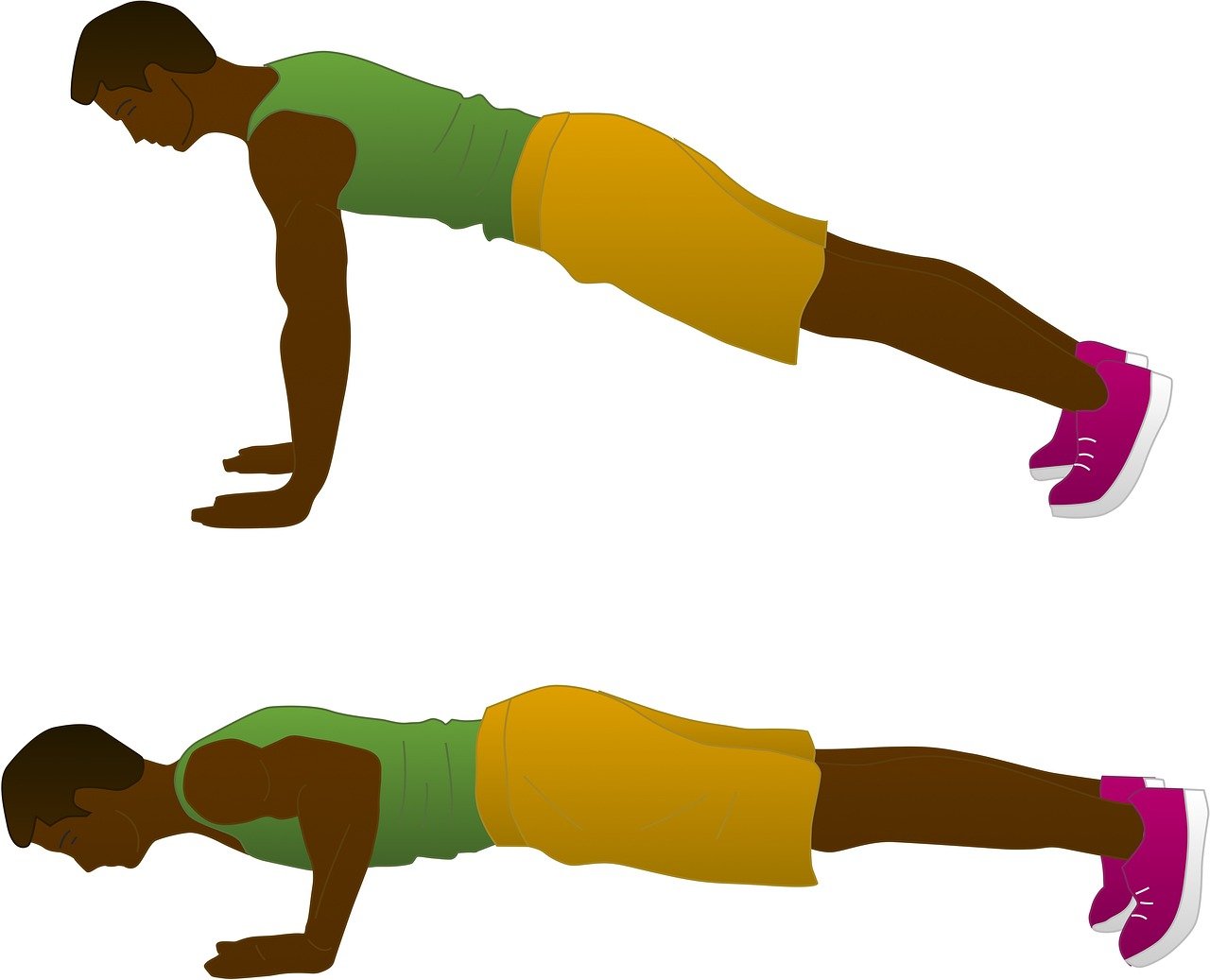
As with any fitness exercise, both push-up variations contain common pitfalls that practitioners must avoid to ensure safety and effectiveness. Most commonly, individuals neglect proper form, which significantly impacts muscle engagement and risk of injury. For regular push-ups, improper hand placement, like placing them too far or too close together, can disturb balance and reduce effectiveness. Similarly, allowing the hips to sag or rise excessively can lead to unnecessary stress on the lower back. Maintaining a straight line from head to heels is crucial for proper execution. Conversely, with pseudo planche push-ups, the most significant mistake stems from improper body lean. Insufficient forward lean compromises the advanced execution and leads to reduced engagement of the primary muscle groups intended. Moreover, a lack of core stability during the movement can hinder progression. Therefore, emphasis must be placed on mastering form before advancing to complex techniques. Individuals should embrace the journey and recognize that proficiency will develop over time with consistent practice. Recognizing and correcting these common mistakes will lead to better workouts and avoid frustration on the path to achieving personal fitness goals.
Both push-up variations are effective for inclusion in routine strength training. However, practitioners should determine how often to include each type in their workouts. Regular push-ups act as a great foundation for building upper body strength, suitable for beginners. They can be performed consistently within a training plan to establish a solid base. Depending on individual goals, it is wise to integrate pseudo planche push-ups once foundational strength is developed. These advanced variations could be utilized more sparingly within a workout and only after performing preliminary exercises to mitigate injury and ensure proper form. Practitioners could implement a strategy of alternating workouts focusing on traditional push-ups one day and pseudo planche on another, ensuring balanced training and progressive overload. This systematic approach caters to various fitness levels, empowering individuals to work progressively towards their goals. Additionally, integrating rest days is essential for muscle recovery and overall performance enhancement. Ultimately, the capability to diversify a workout regime will foster both performance and boredom within training sessions. Maintaining motivation is critical in any fitness journey, as finding balance between variation and consistency fuels success.
Conclusion: Choosing the Right Variation
In conclusion, pseudo planche and regular push-ups serve distinct purposes within a fitness regimen and cater to different skill levels. Regular push-ups are an excellent starting point for many individuals, providing foundational strength and stability. They promote balanced development across the chest, triceps, shoulders, and core, reinforcing essential movement patterns that support other physical activities. Pseudo planche push-ups challenge advanced practitioners and support overall skill development in calisthenics. Effectively, they enhance performance by emphasizing core strength and shoulder stability, translating to improved functional fitness. Choosing the right variation ultimately depends on individual goals, fitness level, and preferences, so practitioners should feel empowered to develop he individualized workout plans. Continuous progression is achievable through these variations by understanding their differences, integrating them into training, and focusing on technique. With consistent effort in all forms of push-ups, athletes can effectively achieve their fitness goals while experiencing the underlying changes and benefits unique to push-up variations. Everyone’s journey is unique, and embracing this knowledge ultimately contributes to a successful training experience.
In summary, both pseudo planche and regular push-ups enrich overall fitness regimes. Their application in workouts offers favorable adaptations to strength, endurance, and muscle engagement across various practitioners. These push-ups challenge the body in distinct ways, leading to comprehensive upper body workouts. By incorporating them into individual training plans, athletes can build strength skillfully while preventing stagnation in performance. Ultimately, it is this balance between variety and consistency that enables individuals to progress effectively in their fitness journeys.