
Using Swim Buoys and Equipment during Training Sessions
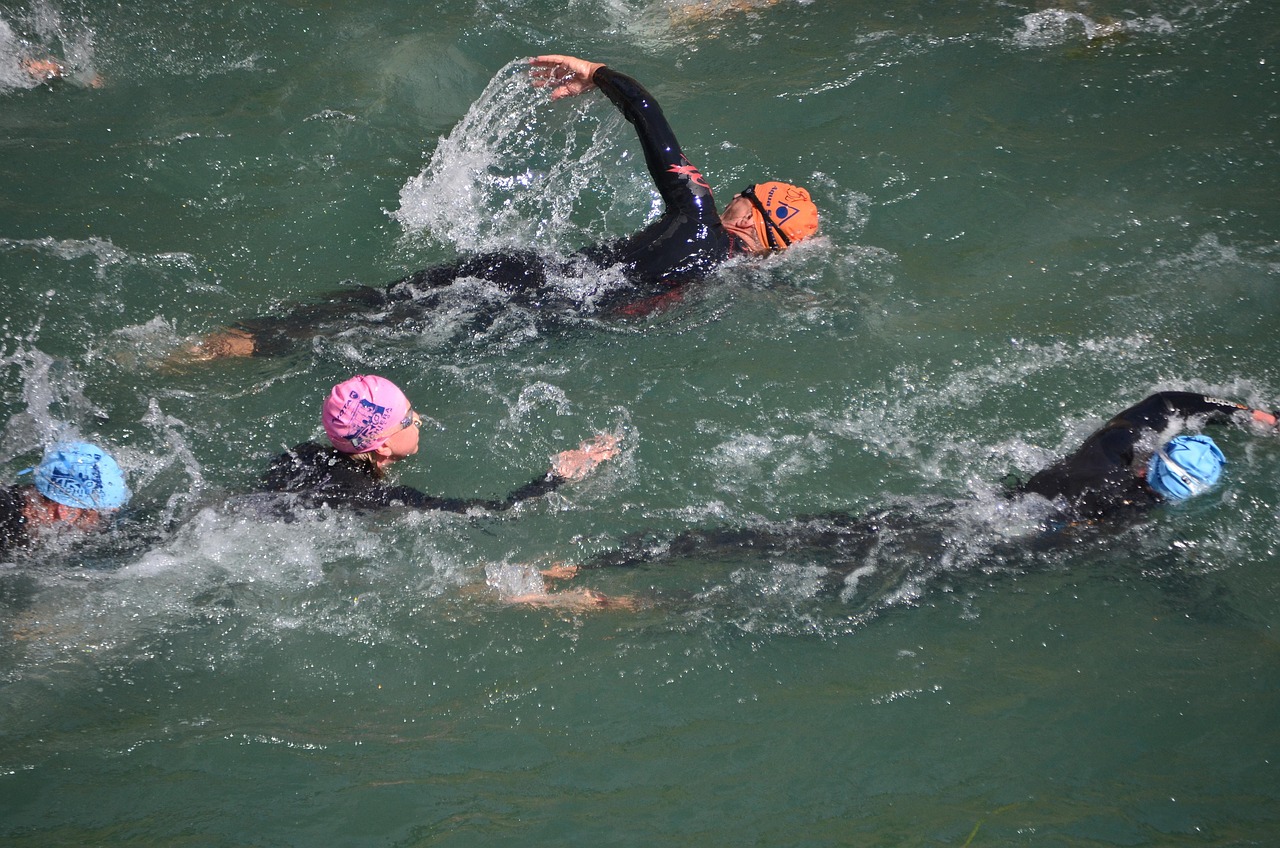
Incorporating swim buoys and additional equipment during Olympic distance triathlon training can greatly improve your efficiency in the water. Swim buoys are versatile tools that aid in buoyancy, allowing triathletes to focus on technique. They provide support to swimmers who may struggle with fatigue or technique, giving ample opportunity to enhance swimming skills. Furthermore, utilizing specialized gear such as hand paddles or fins can elevate your workouts. These tools create resistance, helping to build strength and increase stroke power. By using swim buoys, you create an optimal training environment, enhancing your overall swim speed and endurance. Techniques practiced with buoyancy aids translate well into race conditions, where energy conservation is essential. Beyond fitness, swim buoys can also enhance safety during open water practices, making it easier for coaches to monitor participants. Strategically incorporating swim buoys can help break through plateaus, as they allow for a focus on specific skills like arm rotation and breathing patterns. With the proper selection of swim equipment, athletes can maximize their potential, ensuring they are ready for competition. In the following paragraphs, we will discuss the benefits of various equipment used in triathlon training.
Benefits of Swim Buoys
One of the primary benefits of using swim buoys in training is the focus they allow on technical skills. When swimmers are not battling buoyancy issues, they can concentrate on stroke efficiency and breathing patterns. Enhancing these skills can significantly impact overall swimming performance during a triathlon. Additionally, buoy support enables athletes to maintain a comfortable position in the water, reducing drag and conserving energy. The streamlined position promotes a powerful swim technique while minimizing fatigue, crucial for an Olympic distance swim segment. This allowance to practice without spending too much energy has long-term benefits, especially during race simulations. Confidence builds as athletes become accustomed to the supported position, allowing them to transfer this comfort to events. Swim buoys also enable swimmers to work on their kick and arm movement, solidifying effective swimming mechanics crucial for competition. As a safety feature, they are advantageous when training in open water, providing visibility and reassurance. As athletes practice, it becomes essential to combine buoy work with traditional swim sets for balanced development. Alternate days using both strategies can provide enhanced training scales and results over time, fostering continual improvement and preparation.
When using additional training equipment such as fins, swimmers experience unique advantages aimed at enhancing performance. Fins extend the legs, making it necessary to engage the core more effectively while swimming. This added effort promotes a powerful kick that translates well into better swimming efficiency, particularly important for Olympic distance events. Moreover, fins facilitate a greater range of motion, enabling swimmers to experience a different resistance level in the water, further developing muscle groups specific to swimming. This valuable muscle engagement supports speed and endurance, enabling athletes to push through their comfort zones. Furthermore, using hand paddles in conjunction with fins produces even more resistance, further activating upper body muscles. This combination leads to increased strength, better propulsion, and improved technique. Celebrated swimmers often devote time to training with fins and paddles in their routines. These simple pieces of equipment allow for diverse workout patterns, decreasing the likelihood of training fatigue through new challenges. Rotating among various tools not only achieves muscle growth but keeps training enjoyable, an essential aspect for long-term commitment to Olympic distance triathlon preparations.
Combining Swim Equipment with Technique
It is essential to combine the use of swim equipment with a strong focus on technique to ensure optimal results. Training with swim buoys, fins, and paddles should always emphasize specific goals that align with your overall performance objectives. For instance, integrating swim drills while using the buoy encourages swimmers to focus on body positioning, ultimately refining their technique for real race conditions. Achieving an effective balance of floatation and propulsion enhances the swimmer’s ability to pace themselves unassisted during competitions. Moreover, alternating between flatter sets with and without equipment allows athletes to adapt to varying swim demands seamlessly. This adaptation prepares you for the race intensity where fatigue can play a significant role. Tracking progress while alternating your drills and equipment usage is essential for identifying weaknesses that require emphasis. Consider documenting each session to evaluate the specific strokes or kicks that require refinement. Feedback from coaches can further enhance this technique-focused strategy. In following paragraphs, we will examine the importance of consistency and cross-training in Olympic distance triathlon training, emphasizing the role of equipment.
Consistency is a crucial element in any triathlon training program, especially for the swim segment. Establishing a routine that incorporates swim equipment enhances the benefits and facilitates steady improvement over time. Deskilling experienced the alternative swimming methods can be detrimental; therefore, adhering to a structured swimming plan that leverages equipment is vital. Scheduling specific swim sessions focused on technique with buoy support or resistance training with paddles ensures a balanced progression. Variation with consistent practices can also stimulate motivation and challenge, while preventing plateaus from forming. As a swimmer becomes more adept, it’s essential to refine their workout strategy to allow progressive overload. Engaging in multiple types of swim sessions promotes not just skill development but mental resilience as well. Training consistently with swim equipment can nurture a race-ready mindset, helping athletes adjust to the varying rhythms and paces encountered in competitions. Cross-training also offers numerous advantages to bolster swim training. Integrating practices like cycling or running allows the entire body to adapt, promoting overall conditioning that aids swim performance. With this comprehensive approach, athletes can increase their stamina and confidence when entering the water.
Monitoring Progress and Adjusting Training
Tracking progress while utilizing swim equipment forms a key aspect of effective Olympic distance triathlon training. Athletes must regularly evaluate their performances during swim sessions to gauge their improvement accurately. This assessment can be achieved through time trials or maintaining a training log, documenting critical factors like times and stroke counts. By collecting this data, athletes can identify strengths while also pinpointing weaknesses needing improvement. Adjusting training based on the feedback obtained allows for personalized strategies that enhance development. If drop-offs in performance occur during specific drills, the coach can modify subsequent sessions to target identified areas for improvement. Increases in distance swum along with increased equipment utilization emphasise the effectiveness of a structured plan. Furthermore, evaluating progress helps maintain a positive attitude and keeps motivation intact for the sport. Recognizing accomplishments along the journey inspires continued efforts within these training sessions. Athletes may also find themselves setting new performance benchmarks while examining their progression. Overall, monitoring performance through targeted drills using swim equipment amplifies the potential for growth and success, making the cumulative triathlon preparation more fruitful.
In conclusion, effectively utilizing swim buoys and other equipment during Olympic distance triathlon training is essential for enhancing overall performance. The integration of various tools allows swimmers to concentrate on refining their technique, building strength, and increasing endurance through specialized workouts. Whether using swim buoys for buoyancy support, fins for leg strength, or paddles for upper body engagement, each element contributes to creating a well-rounded training regimen. Developing this aggressive approach toward swim training not only elevates skill levels but fosters confidence necessary for race conditions. Identifying the right equipment to complement your training goes hand in hand with consistency and monitoring progress. By implementing a structured plan while integrating various swimming methods, triathletes will find their performance on race day dramatically improved. It’s important to approach training with adaptability and diligence, allowing a personalized commitment to the goal. Embrace the various methods and tools at your disposal, focusing on strengths while addressing weaknesses in your triathlon swim segment. Overall, establishing a tailored swim training program will enable athletes to shine when competing at the Olympic-distance races.