
Adapting Posture Habits in the Era of Wearable Technology
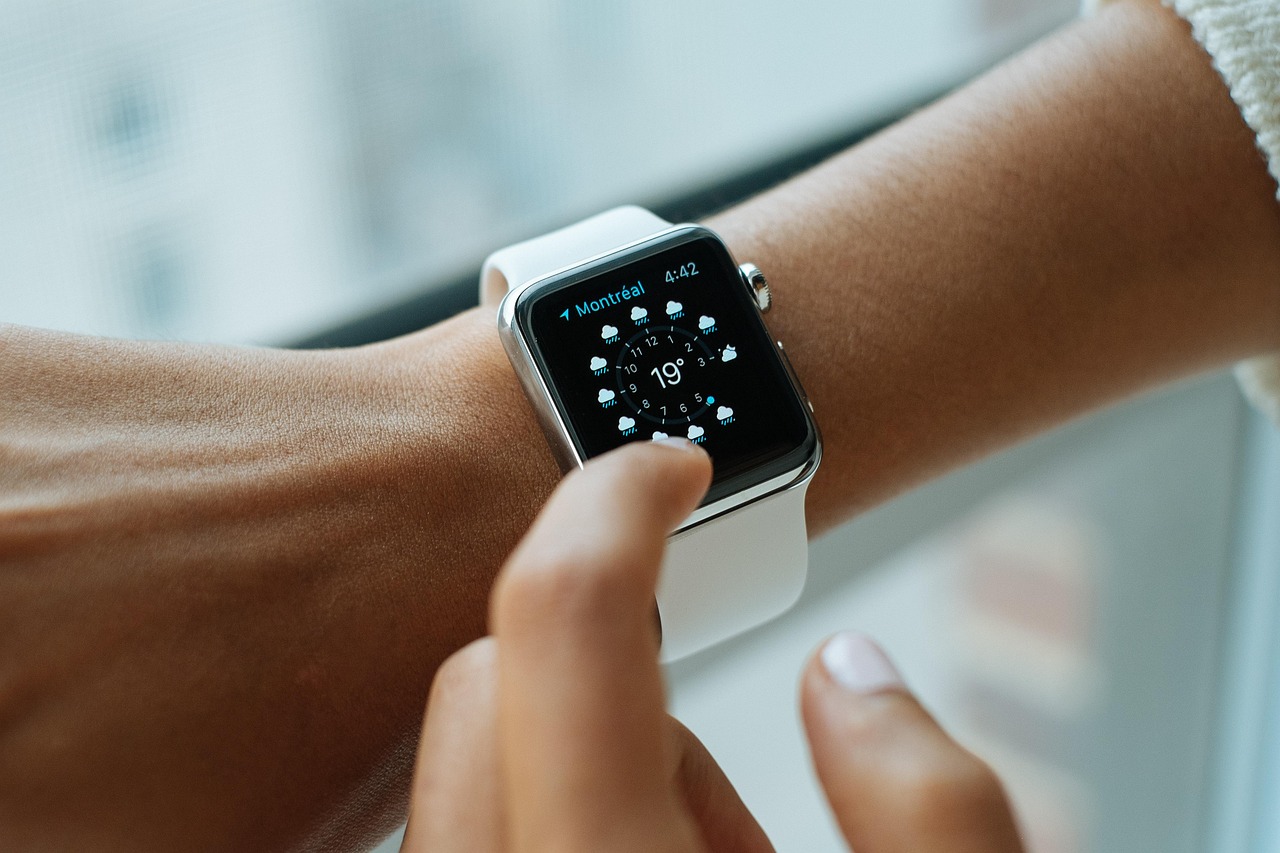
Wearable technology has changed how we approach our posture habits in daily life. As devices like smartwatches and fitness trackers evolve, their capacity to monitor our physical health, which includes our posture, becomes more sophisticated. These devices use sensors to provide real-time feedback, helping individuals recognize poor posture while sitting or standing. Additionally, reminders and alerts sent from these wearables can motivate users to adjust their posture. Employers increasingly encourage employees to adopt ergonomic practices, supported by technology. However, it is crucial that individuals receive thorough education on using these devices effectively. Understanding how wearable technology can promote good posture is key to maximizing its advantages. Users should integrate posture correction into their routines, leveraging their devices’ capabilities. Mobile apps can supplement this effort by providing exercises and posture tips tailored to each user. Consequently, if a user is aware of how to utilize their wearable gadget, they can transform technology into a powerful ally in enhancing their well-being and reducing discomfort associated with bad posture.
The Relationship Between Technology and Posture
As technology advances, the common postures adopted during usage have significant implications on health. Many people find themselves slumping over laptops and smartphones, leading to muscle tension. This shift towards tech-driven lifestyles can indirectly cause long-term musculoskeletal disorders. Once humans relied on physical labor, but the prevalence of technology means more sedentary work. Wearable technology positively intervenes by encouraging movement breaks. These reminders can help counteract the negative effects of extended sitting. Beyond reminding individuals to stand, certain wearables can analyze body movements. With every new innovation, developers design features to improve posture, such as posture-tracking features that alert users when they exhibit poor form. A culture that fosters proper posture practices is crucial at workplaces too. Employers can incorporate training sessions to educate employees. There’s also immense potential for integrating technology into ergonomic assessments, allowing for personalized recommendations. If more of us can adapt to utilizing technology effectively, we can maintain healthier posture habits without sacrificing productivity. Overall, awareness about maintaining posture while engaging with technology is necessary to safeguard our physical health.
The potential of technology extends beyond correction; it encompasses education on the importance of ergonomics. Digital platforms provide resources about best practices for posture, especially in work environments. Individuals can explore various ergonomic products like standing desks, chair cushions, and keyboard trays, which have gained popularity due to technology’s influence. This education empowers individuals to take proactive measures toward better posture. Furthermore, community support through online forums is invaluable. Users can share tips, stories, and experiences regarding best practices. Social accountability is a compelling motivator to keep individuals engaged in maintaining proper posture habits. Another advantage of technology in this context is the capacity for regular assessments. Wearable devices, for example, can evaluate posture over time to determine trends, urging users to adjust their habits accordingly. Regular evaluations provided by technology inspire continuous improvement. The surge of telecommuting also emphasizes the need to establish a dedicated workspace. Therefore, understanding how to create an ergonomic work environment becomes essential. In summary, leveraging technology not only enhances physical posture but fosters supportive communities that enhance individual efforts.
Challenges of Maintaining Posture in a Tech-Driven World
Despite the benefits of technology in promoting good posture, challenges exist that hinder effective implementation. One notable challenge is over-reliance on technology itself. Many individuals believe that wearable technology will solve their posture problems without actively improving their habits. This mindset can lead to a lack of personal accountability, undermining the desired results. Additionally, the initial learning curve associated with using wearable devices can discourage some users. If individuals find these devices cumbersome, they may abandon them, returning to poor posture. Moreover, not all wearable technologies provide accurate feedback. Inaccuracies can lead to confusion and frustration, dissuading users from following advice or making necessary adjustments. The distractions of simultaneous technology usage, such as alerts and notifications, can also contribute to maintaining poor postures. A multitasking environment may encourage hunching over devices, leading to muscle fatigue. Finally, the cultural norm in many sectors discourages taking breaks or standing up frequently. A culture that normalizes movement and self-care is essential for overcoming these barriers. In essence, awareness, acceptance, and continued engagement with technology are crucial for maintaining good posture.
Awareness about injury risks due to poor posture is essential in this technological landscape. For instance, repetitive strain injuries can arise from neglecting posture while using technology. It’s crucial that individuals recognize potential pain or discomfort as signs to adjust. Educational sessions focusing on these aspects can significantly improve understanding. Additionally, individuals can benefit from ergonomic assessments conducted by professionals. Such assessments provide tailored suggestions specifically aimed at technology users. Staying updated with trends is key, as technology rapidly evolves. Workshops, seminars, and online resources allow individuals to learn latest techniques for maintaining good posture. Traditional self-help strategies can be combined with modern technology for maximum effectiveness. Regular exercise programs focusing on core strength can counterbalance the sedentary lifestyle promoted by technology. Focus on posture-enhancing exercises creates a more balanced approach. Importantly, involving a healthcare provider can help in developing a personalized strategy. Having regular check-ins with healthcare professionals can ensure individuals stay aligned with their goals. Balance in daily routines, incorporating physical activity amidst technology usage, leads users closer to achieving optimal posture. Overall, it’s about proactive adjustments and informed choices.
Future Directions for Technology and Posture
As technology continues to progress, future developments will likely incorporate even more sophisticated solutions aimed at enhancing posture. Innovations such as virtual reality environments could enable immersive training experiences, allowing users to engage in posture correction practices actively. Such technologies will facilitate accurate movement tracking and potentially correct poor posture through guided training. Beyond passive reminders, future wearables may utilize AI to predict when users require adjustments based on historical data. Integration of machine learning algorithms can personalize recommendations, fostering a more proactive approach to ergonomic health. Increased adoption of smart home technologies, like adjustable desks that respond to user movement, may also play a role. These technologies would make optimal posture adjustments intuitive and seamless. Furthermore, health applications are likely to evolve, becoming more comprehensive in offering posture-related exercises. Consequently, there’s potential for communities to grow in support of posture improvement, encouraging collective progression. The future promises innovative partnerships between health professionals and tech developers, merging healthcare expertise with cutting-edge technology. Such collaboration could lead to breakthroughs that redefine how we consider posture in our daily lives while embracing technology.
In summary, adapting posture habits in the era of wearable technology requires an understanding of current tech’s pros and cons. Individuals stand at the forefront of this balance, necessitating personal accountability in posture management. Education, combined with the available resources through wearables, can lead to significant improvements in overall health. Positioning the conversation around posture within a cultural context that values well-being is paramount. Cultivating environments where individuals feel empowered to adjust their posture freely can transform the workplace into a haven for ergonomic practices. Continued emphasis on ergonomic environments, supported by available technology, can yield comfortable and productive lifestyles. Ultimately, it’s essential for each individual to take steps toward embracing technology consciously while maintaining awareness of their posture. Therefore, let us utilize the innovative tools presented to us, aiming for a future where technology seamlessly integrates into our lives, enhancing our posture in a meaningful way.
In conclusion, the unique intersection of wearable technology and posture improvement reflects changing times. With proactive measures, education, and community support, individuals will promote postural health as society adapts, leveraging technology. The future must embrace adaptable technology and evolving methodologies. The ultimate goal is working toward a healthier lifestyle—one where productivity and comfort coexist harmoniously. Users of all walks of life have the potential to reduce risks associated with poor posture through informed decisions and mindful engagement with technology. Those embracing this journey improve physical health and inspire their communities to reevaluate their relationship with technology. Achieving perfect posture is a continuous journey but entirely possible with the tools at our disposal. Let’s prioritize posture as a critical aspect of our overall health in this tech-driven age. Creating a culture that thrives on visibility, support, and engagement around ergonomics can ensure lasting change. As we move forward, let’s remain willing to adopt new technologies, promote best practices, and work toward a balanced lifestyle. Together, we can navigate this modern landscape of technology while maintaining an unwavering commitment to posture and well-being.