
Center’s Guide to Offensive and Defensive Positioning
Positioning is crucial in basketball, particularly for centers who play at both ends of the court. Understanding where to stand during offensive play can create opportunities for successful basket attempts. A center must excel in exploiting space in the key area. When receiving the ball, use your body to shield defenders. Prioritize a firm stance with feet planted, ready to pivot for an optimal shot. Effective centers must also understand how to set solid screens that may free teammates for open looks. Visualize the game—anticipate where players will be. Always keep your head up to make quick decisions when the ball comes your way. When the offense flows, work on communication with guards to sync movements. Remember that positioning includes timing: knowing when to cut into the lane or when to retreat to rebound is essential. Familiarize yourself with the opposing team’s defensive setup, enabling you to read plays accurately. Additionally, practice shot fakes to keep defenders off balance, creating space for better shooting angles. Above all, strive to maintain a strong presence in the paint, as this will impose your will on both ends of the court.
Offensive Positioning Strategies
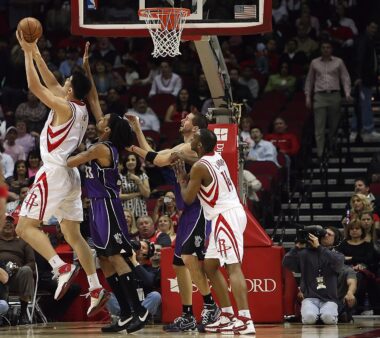
As a center, offensive positioning goes beyond just scoring; it’s about creating opportunities for teammates too. Begin by mastering the low post. Make a habit of posting up against your defender and demanding the ball. Provide a target for your teammates and read the defense. Once you receive the ball, make quick decisions whether to shoot or pass. Develop your footwork for spinning moves; an effective spin can leave defenders guessing. Learn to utilize a jump hook; this is indispensable for a center. Elevate over smaller defenders and give the approach an unpredictable element. Additionally, practice timing your cuts; knowing when to slip towards the basket post-screen or when to pop out for a mid-range is essential. Understand the spacing principles, ensuring you aren’t cluttering lanes with teammates. Remember, keeping your positioning versatile allows you to adapt to different styles of play. Engage in drills that enhance your ability to catch, pivot, and score efficiently. Embrace opportunities to score in transition; running the floor can yield easy baskets or create mismatches, which is invaluable during fast breaks. Efficient offensive positioning is key for a successful center.
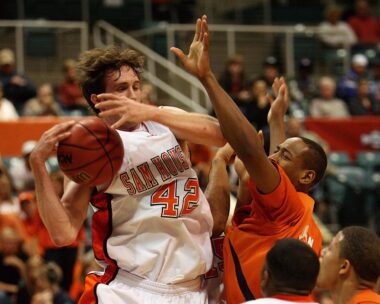
Defensive positioning requires centers to be adept not only at blocking shots but also at recognizing offensive schemes. A center should begin by establishing a strong stance when defending the paint. Keep your feet shoulder-width apart, ready to move in any direction. Emphasize the importance of positioning yourself between your opponent and the basket to minimize scoring chances. Understand the potential threats around you; communicate with your teammates to effectively contest shots. If your team plays zone defense, know your area and keep an eye on the ball while being aware of cutters. Practice closing out on shooters quickly to lessen their chances of making a three-pointer. When guarding one-on-one, work on your lateral movements and keep your hands active without fouling. Being a shot-blocker means timing your jump correctly; practice judging the position of your opponent to leap at the right moment. Additionally, build strength to hold your ground against aggressive post players. Transition defense is equally critical; sprint back to position as the play develops. Commitment to solid defensive positioning creates a significant impact on an opponent’s offensive flow, reinforcing your importance as a center.
Reading the Game
Reading the game is an essential skill every center must develop to optimize positioning on the court. Start by observing defenders’ habits and understanding their tendencies—this knowledge can provide strategic advantages. For instance, when defenders overcommit on a drive, be ready to capitalize on backdoor cuts. A keen sense of timing allows for better execution of plays. Analyze the flow of the game, and adapt your positioning based on your team’s strategy and conditions on the floor. Watch for mismatches and adjust your positioning accordingly; this can be particularly effective during late-game scenarios when every point counts. Stay engaged and mentally prepared; a center should be anticipating plays before they unfold. Acknowledge pace changes and adjust your positioning from half-court to fast breaks. This awareness enhances reactiveness and ensures you are always in the right spot. Strong centers also maintain a mindset focused on making quick decisions under pressure. Good communication with teammates fosters cohesive play, enhancing overall team efficiency. Learning how to read the game isn’t just about you; it’s about elevating your entire team’s performance when executed correctly.
Conditioning remains a priority for centers aiming for peak performance during games because, without proper conditioning, positioning can falter. Ensure your training regimen includes cardiovascular exercises, strength training, and agility drills specific to basketball movements. Focus on endurance to maintain energy levels throughout each quarter, as centers frequently engage in physical battles both offensively and defensively. Prioritize your core strength; a solid core enables better balance and stability during high-pressure moments. Implement plyometric exercises to improve your explosive jumping ability, which directly impacts shot-blocking and rebounding effectiveness. Also, work on flexibility through yoga or dynamic stretching, allowing you to stay mobile and agile on the court. Understand the importance of recovery—perform active and passive recovery techniques to bounce back after intense training or game days. Avoid injuries by staying in tune with your body and knowing when to rest. Additionally, nutrition plays a key role; fuel your body with nutrient-rich foods to optimize performance. Staying hydrated is essential, especially during long games. Conditioning is not only a physical requirement; it directly influences your ability to maintain proper positioning and impact the game significantly.
Mental Preparedness
Mental preparedness is equally important as physical conditioning for a center. Cultivating a focused mindset can enhance your gameplay and positioning capabilities. Begin by practicing visualization techniques; imagine yourself successfully executing plays and maneuvering into optimal positions. Engaging in mindfulness exercises can significantly reduce distractions during games, allowing you to concentrate better on tasks at hand. Develop rituals before games to help get you into the right headspace; these routines can create a sense of familiarity and confidence. Set specific, achievable goals for each game—focusing on a few key areas can simplify your mental approach while maximizing performance. Additionally, creating positive self-talk can reinforce a strong mental state during high-pressure situations. Reflect on performance after games; analyze areas for improvement while also acknowledging successes. Learn to manage game emotions effectively; maintain your composure, regardless of circumstances. It’s essential to recognize that mistakes happen; adapt and move forward. Surrounding yourself with positive influences, including teammates and coaches, can further foster a supportive mental environment. Overall, prioritize your mental game, as a centered mind leads to confident and effective positioning during critical moments in each game.
Finally, remaining patient and committed to continuous improvement is key for a center’s success in mastering offensive and defensive positioning. Understand that mastery of skills takes time; allow yourself the grace to develop gradually. Always seek inspiration from experienced players; analyze their movements and techniques to find elements that resonate with your style. Pursue feedback from coaches and fellow teammates to foster a growth-oriented mentality. Embrace constructive criticism as a pathway toward refinement. Participate in team drills designed to enhance not only your individual skills but also team cohesiveness. Regular practice will enhance your instincts, leading to stronger reactions during games. Document your practices, noting areas of improvement, and set targeted goals for future sessions. It can be motivating to track progress and celebrate achievements along the way. Engage in community workshops or camps focused on specific training techniques, exposing yourself to diverse methodologies. Stay passionate about your development, setting a strong example for teammates. Ultimately, your growth as a center will contribute to team success while solidifying your role in both offensive and defensive gameplay. In the sport of basketball, positioning can indeed be a game-changer.