
How Rappelling Enhances Balance and Coordination
Rappelling is an exhilarating sport that not only offers thrill-seekers a taste of adventure but also significantly enhances physical attributes like balance and coordination. When descending rocky terrains, the body must learn to maintain stability and control. This is essential, as a minor miscalculation could lead to dangerous situations. Rappelling requires focusing on body positioning, grip, and foot placement while keeping a steady descent. Practicing these technical skills builds confidence and improves proprioceptive abilities, which help individuals respond to their surroundings efficiently. As a result, climbers become more attuned to their body movements and adjust accordingly based on different terrains and descents. Strengthening these skills has valuable carryover to other outdoor adventure sports, boosting overall athletic performance. Participants often report improved body awareness and agility after consistent rappelling sessions, which contributes to safer and more effective climbing. Engaging in this activity also encourages mental clarity as climbers must evaluate their movements continuously. Thus, practicing rappelling develops not only physical capacity but also mental resilience and determination, making it an impactful outdoor sport. Rappelling may lead to lifelong benefits, which are advantageous for fitness enthusiasts and athletes alike.
Besides enhancing physical abilities, rappelling fosters a sense of teamwork and communication among participants. When descending in pairs or groups, effective collaboration is crucial for ensuring safety and smooth operation. Clear verbal communication builds trust and helps to coordinate movements. Partners learn to motivate and guide one another through challenging descents, reinforcing social connections. In many cases, a mentor-apprentice dynamic develops, as experienced rappellers share knowledge with novices. This exchange of skills enriches both participants’ experiences, making the adventure more rewarding. Moreover, overcoming the daunting challenges of rappelling cultivates camaraderie and boosts collective morale. Trusting others with your safety while navigating unfamiliar terrain enhances interpersonal relationships. With every successfully completed descent, participants strengthen their bonds. This engagement builds a thriving community around outdoor adventure sports, where individuals share passion and support one another. Group experiences often include storytelling around campfires or in-between climbs, reinforcing social ties. The sharing of experiences fosters friendships that extend beyond rappelling itself. In this way, rappelling becomes more than just a physical activity; it acts as a platform for personal development, social growth, and shared joy in undertaking adventures together.
The Physical Benefits of Rappelling
One of the most significant advantages of rappelling is the enhancement of core strength and stability. While rappelling, the core muscles engage continually to maintain balance and control. This engagement not only supports a steady descent but also promotes better posture during other physical activities. As participants practice rappelling, they develop stronger abdominal and back muscles crucial for supporting the spine and enhancing athletic performance. These muscles work synergistically with the limbs, allowing effective movement and better coordination. Furthermore, the act of rappelling involves engaging various muscle groups, including the legs, arms, and shoulders. This multi-dimensional workout ensures a full-body exercise regime, which can improve overall fitness. Additionally, increased upper body strength is essential during the descent process. Strengthening these areas means being better equipped for future physical endeavors, whether on ropes or in other sports. Furthermore, rappelling conditions individuals for intense cardiovascular activities like long mountain hikes or rock climbing sessions. A consistent rappelling practice lays the foundation for a robust and well-rounded fitness level that is conducive to thriving in other demanding outdoor activities. Hence, rappelling serves as an excellent complement to overall sport and fitness training.
In addition to the physical benefits, rappelling also boosts mental and emotional fitness. Facing heights and challenging terrains can be intimidating, enhancing mental fortitude after each successful descent. Conquering fears created by such challenges cultivates resilience and determination. Participants often find themselves pushing through anxiety, which leads to personal growth and self-discovery. This mental toughness translates into everyday life, where individuals encounter challenges outside their comfort zones. Navigating steep drops requires intense concentration, helping participants learn to focus on the task at hand and disregard distractions. This mindfulness contributes to better decision-making skills, valuable not only in adventure sports but in other aspects of life too. Furthermore, the thrill of rappelling invites a surge in endorphins, leading to a sense of accomplishment and euphoria. This sport often promotes a sense of community, as participants cannot help but cheer each other on. The positive interactions foster emotional connections and create lasting friendships among adventurers. Ultimately, rappelling becomes a vehicle for promoting social bonds and emotional resilience. The adrenaline rush and comradery experienced ensure engaging moments filled with laughter, support, and lasting memories that elevate overall well-being.
Safety Considerations for Rappelling
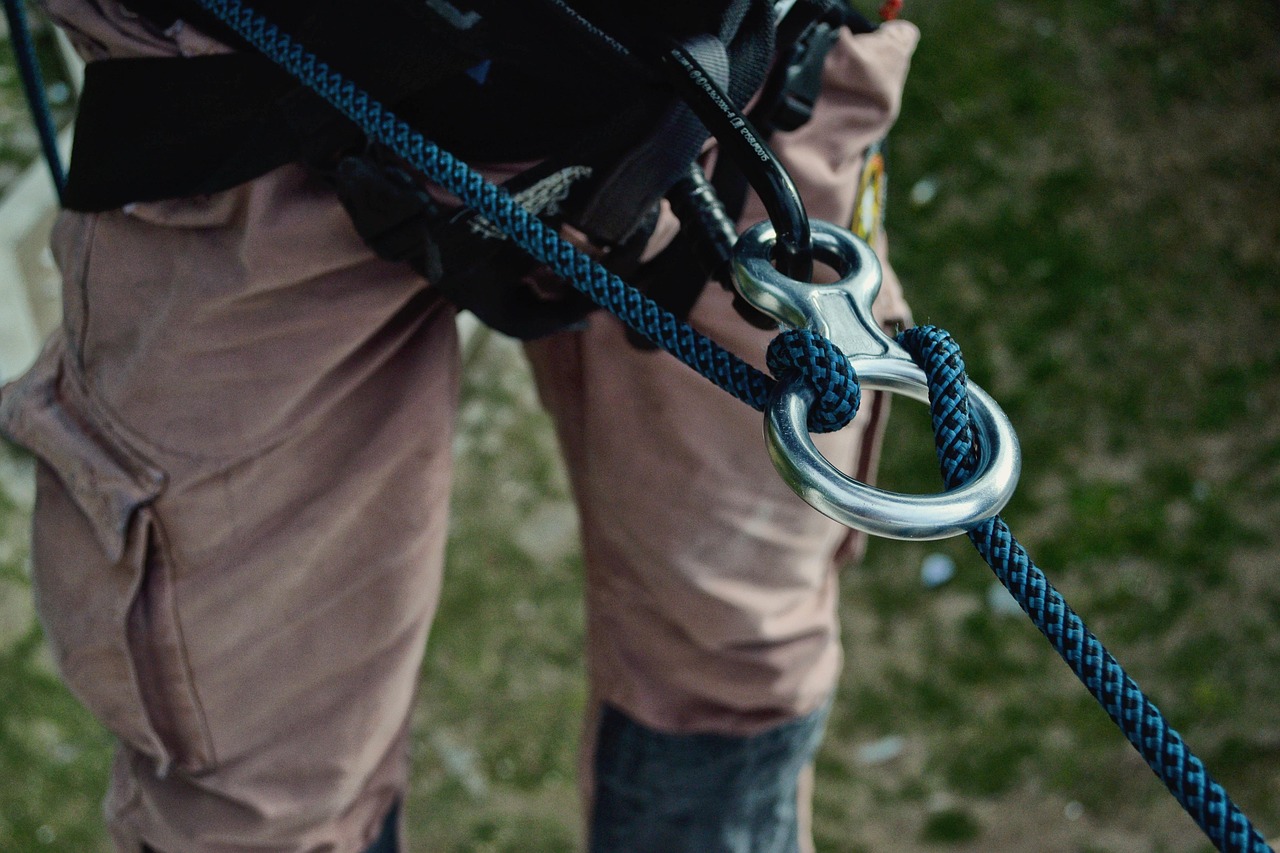
Safety is of utmost importance in rappelling, requiring proper gear and knowledge to minimize risks and maximize enjoyment. Adequate equipment ensures climbers can descend safely, significantly reducing injury risk during the activity. Essential gear includes harnesses, ropes, carabiners, and helmets. Each plays an important role in protecting climbers and keeping them secure during their journey. Proper training and understanding the equipment’s correct usage are equally vital to ensure a safe experience. Considering weather conditions before going rappelling can also impact safety, as changes might lead to slippery surfaces or diminished visibility. Knowledge of local terrain and climbing routes can help in choosing an appropriate descent. Climbers should familiarize themselves with various rappelling techniques before attempting complex maneuvers. Partner communication is essential to enhancing safety by ensuring every climber understands the plan and the movements needed to descend smoothly. Additionally, practicing rappelling in a controlled environment allows individuals to master skills before embarking on outdoor adventures. By adhering to safety protocols and respecting boundaries, enjoyment and thrill maximize while minimizing the dangers involved. Ultimately, making safety the top priority ensures that climbers focus on mastering balance and coordination through their experiences during the sport.
Training for rappelling often requires focusing on enhancing specific skills to maximize balance and coordination. Climbing professionals and instructors may suggest targeted practice routines, ensuring participants develop essential techniques necessary for successful rappelling. Exercises focused on core strength, mobility, and flexibility are fundamental to optimizing performance. Pilates, yoga, and strength training not only build the necessary muscle groups but also improve stability during descents. Practicing on vertical walls may help climbers become accustomed to varying rope dynamics, enhancing their understanding of gravity and momentum. Additionally, engaging in complementary activities like rock climbing can fortify both skills around balance and endurance. As climbers spend time practicing their rappelling skills, they refine their spatial awareness and body alignment, which are vital for effective maneuvering. Incorporating agility drills and balance exercises can further strengthen body control and coordination capabilities. Lastly, rappelling often includes simulated distractions during practice sessions, like loud noises or environmental factors, to enhance focus. Balancing techniques learned in rappelling have significant implications on overall performance in various athletic disciplines, reinforcing skill transference. Thus, embracing training routines can significantly impact a climber’s performance as they navigate diverse outdoor challenges.
Conclusion: The Importance of Balance and Coordination in Adventure Sports
In conclusion, rappelling emerges as a vital activity that fosters essential skills like balance and coordination necessary for various outdoor sports. The physical and mental benefits it provides can lead participants to thrive in numerous adventure activities. The synergistic effects of improved strength, stability, and endurance empower climbers to challenge themselves effectively, creating lifelong learning experiences. Participants also forge deeper connections with fellow athletes, further enhancing enjoyment of the sport. Through shared experiences, they develop emotional resilience and cultivate teamwork skills. The need for competent judgment and swift decision-making during rappelling encourages mental sharpness, applicable in everyday life beyond adventure sports. As climbers navigate heights and complex terrain, they develop the proficiency to manage their movements and impressively conquer fears along the way. With attention to safety and training, rappelling stands as a foundation for nurturing balance and coordination that resonates within the world of adventure sports. Embracing the thrill and challenges provided by this activity ultimately leads to enriched experiences and greater personal growth. Undoubtedly, rappelling serves as an adventure that goes beyond just a physical challenge to foster holistic wellness for every participant involved.
Ultimately, incorporating rappelling into regular routines can significantly enhance balance and coordination, moving beyond the thrill of the sport into a world of improved physical fitness.