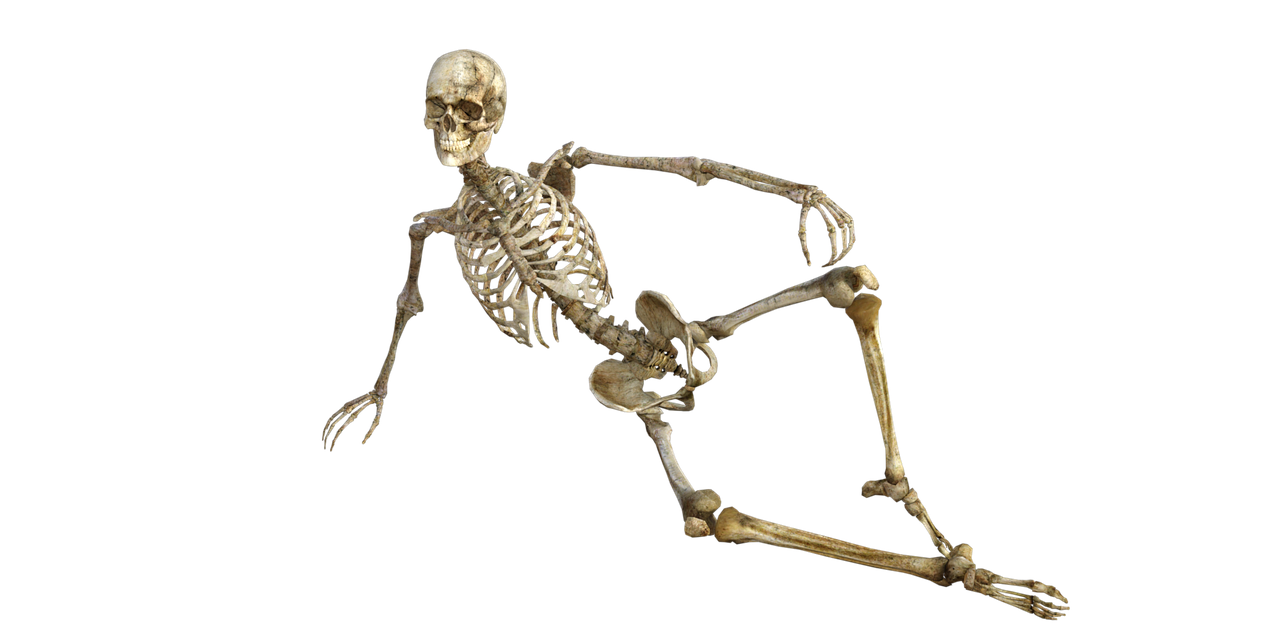

Integrating Functional Anatomy into Sports Nutrition Planning
Understanding functional anatomy is key for enhancing sports nutrition planning. It allows nutritionists and trainers to tailor diets according to individual needs. This customization improves energy utilization and recovery strategies. Knowing how muscles, tendons, and bones behave during activities informs the many variables involved in sports performance. Nutrition diets focusing on macronutrient ratios become vital in addressing specific physical demands. For instance, athletes engaged in endurance sports require different nutrient profiles compared to those involved in strength sports. Knowledge of anatomy helps in determining the requirements of proteins, fats, and carbohydrates for recovery. By analyzing muscle groups targeted during performance, nutritionists can enhance recovery through food choices designed to reduce inflammation and promote muscle repair. For example, post-workout meals may be rich in branched-chain amino acids and essential fats. Meals planned after intense workouts need to replenish lost nutrients effectively. Furthermore, hydration strategies derived from an understanding of anatomy keep athletes performing at their peak. Optimal hydration impacts muscle function and overall performance. Integrating nutrition with a functional anatomy perspective thus creates a holistic approach for athletes. This ensures they get the right nutrients at the right time.
Importance of Biomechanical Insights
Biomechanical insights play a crucial role in customizing nutrition plans for athletes. By examining movement patterns, trainers can understand energy requirements specific to different sports. For example, a sprinter’s energy needs differ significantly from those of a marathon runner, which profoundly influences dietary choices. Athletes can optimize their performance when their nutrition is aligned with their functional anatomy and biomechanical movements. Assessing the involved muscle groups during their activities allows dietitians to recommend tailored supplements. These may include omega-3 fatty acids for joint health or complex carbohydrates for sustained energy. When trainers evaluate muscle engagement during sports, they recognize the importance of recovery nutrients. This keeps muscle fatigue at bay and enhances performance outcomes vital in competitive settings. Nutritional planning that incorporates insights about the athlete’s mechanics promotes better digestion and nutrient absorption. Moreover, understanding the mechanics of movement aids in preventing injuries. Proper nutrition serves as preventative medicine, repairing tissues and preventing overuse injuries. A comprehensive approach to diet that focuses on functional anatomy thereby supports athletic durability and performance longevity. Involving nutritionists early in the training process ensures athletes have the necessary support for optimal growth and development.
Nutrition directly influences recovery, another key aspect of functional anatomy integration. Knowledge of how various nutrients affect muscle fiber types and recovery rates allows optimized meal timings. The consumption of protein post-exercise accelerates muscle repair especially from tears and strains caused by rigorous activity. Carbohydrates can help replenish glycogen stores often depleted during intense training sessions. Moreover, hydration benefits muscle function and recovery. Research has established links between adequate hydration and muscle readiness, showing that slight dehydration can impact overall performance negatively. By aligning nutrition with the body’s recovery needs, athletes can minimize downtime due to injuries. A well-structured nutrition plan promotes quicker recovery and improved physical responses after a sports session. Signs such as fatigue and soreness become manageable more efficiently with improved dietary strategies. Planning meals around training schedules can substantially enhance recovery processes. Strategies might include timing carbohydrate intake immediately after workouts. Moreover, adding electrolytes reduces the likelihood of cramps and enhances muscle recovery. Knowledge of functional anatomy and its implications on nutrition reinforces efficiency in athletic training regimens. Customizing diets also ensures no athlete over-trains without proper fuel, protecting long-term health.
Another crucial aspect of integrating functional anatomy into sports nutrition is the understanding of energy expenditure. Each sport has unique metabolic demands that inform on what fuel sources athletes should prioritize. Endurance athletes typically rely on carbohydrates, while strength athletes may require higher protein intake to support muscle mass. Knowing the physiological demands of their chosen sport allows nutrition plans to reflect energy needs appropriately. This personalized approach is more effective than generic recommendations. Nutritional strategies can be adjusted to reflect an athlete’s training intensity. For instance, increased carbohydrate intake before and during long-duration events significantly enhances performance outcomes. Further, for recovery, post-exercise meals high in protein facilitate the body’s repair mechanisms. The timing of nutrient intake also plays a significant role; consuming protein within 30 minutes post-workout maximizes muscle recovery. Additionally, understanding functional anatomy helps to identify individual responses to nutrition based on somatotype or body structure. Therefore, a deeper knowledge of anatomy results in a more tailored and effective nutritional approach for athletes. Overall, functional anatomy equips trainers with the understanding required to enhance dietary interventions and support athletic success.
The interplay between functional testing and nutritional adjustments forms another layer of integrating sports nutrition and functional anatomy. Comprehensive assessments help identify not only body composition but also an athlete’s strengths and weaknesses. This insight informs meal planning directives that focus on improving performance. Coaches can use functional tests to monitor athletes’ progress, linking dietary patterns with physical outcomes. Nutritionists can analyze how specific diets relate to functional abilities, such as agility or explosive power. This evaluation can lead to finding optimal nutrient timing strategies to enhance performance. Knowing how specific foods impact the athlete’s physicality aids in the design of individualized meal plans. Some athletes may require more anti-inflammatory foods to combat chronic soreness tied to training. Others might need supplements to support neuromuscular function for improved strength. Therefore, a collaborative approach where training and nutrition go hand in hand enhances the effectiveness of both. Establishing this relationship makes clear the importance of developing a diet that functions in harmony with functional anatomy. Customized plans promote better health outcomes and athletic longevity. Altogether, this underscores the synergy between functional assessments and nutritional interventions, linking diet to performance enhancement effectively.
Long-term athletic health may also benefit from comprehensively integrating functional anatomy with nutrition planning. As athletes undergo rigorous training, their bodies require specific nutrients to maintain balance. Recognizing this, nutritionists can emphasize foods that support long-term wellness, aiding in sustainability across athletic careers. Adaptable dietary plans contribute not only to performance but to minimizing injury risks. Knowledge of anatomy allows for the incorporation of specific foods that rejuvenate joints and support overall structural integrity. For instance, incorporating foods rich in antioxidants can mitigate inflammation resulting from intense training regimens. Furthermore, understanding how an athlete’s functional anatomy changes over time provides insight into potential health issues. Nutrition tailored to their evolving needs can promote resilience against age-related declines in performance. Additionally, meal plans can be developed to manage weight effectively, ensuring athletes remain competitive. Maintaining healthy body composition is necessary for maximizing functional performance and longevity. Linking nutrition with a functional understanding of anatomy promotes the athlete’s capability to train effectively across diverse events. Ensuring longevity in sports is crucial, highlighting the importance of continuous optimization of nutrition. Careful nutritional strategies foster sustainable performance, providing athletes the edge they need throughout their careers.
Finally, the role of education in integrating functional anatomy with nutrition remains paramount. Athletes must understand the importance of how food affects their bodies during physical activity. Educational programs can be established to impart knowledge on the fundamental principles of functional anatomy as they pertain to nutrition. Athletes equipped with this understanding are likely to make better dietary choices. Clinics, workshops, and webinars can provide crucial insights, enabling athletes to connect their food choices with performance outcomes effectively. Furthermore, this knowledge empowers athletes to take charge of their diets, reducing reliance on unsolicited advice from unqualified sources. Simplifying complex scientific information into actionable strategies makes it easier for athletes to grasp the significance of nutrition linked to functional anatomy. Coaches and trainers can benefit from ongoing education in functional anatomy, linking these concepts with their training practices. Establishing a collaborative culture between sports science, nutrition, and functional anatomy ultimately leads to more effective training regimens. Athletes who are both informed and educated make knowledgeable food choices. Supporting them with optimal nutrition enables a comprehensive approach to their training and athletic endeavors, ensuring lasting success in their respective sports.
This final segment summarizes the importance of intertwining functional anatomy and nutrition within sports practices. The integration ensures tailored approaches for diverse athletes. Each sport requires a unique strategy informed by understanding muscle function, energy expenditure, and recovery needs. Moreover, the rigors of physical activity necessitate a robust connection between what athletes consume and how their bodies react. Consequently, resource allocation towards education in functional anatomy would empower all athletes. Comprehensive knowledge enhances performance management and longevity in competitive settings. This holistic approach fosters good health by minimizing injury risk, optimizing recovery, and ensuring sustainable nutrition practices. Individualized diet plans enable athletes to develop appropriately to their specific needs based on ongoing evaluations. The relationship between food choices and performance becomes clearer, promoting informed decisions. Careful planning reduces variability in outcomes, particularly when linked with performance metrics. Practical applications derived from understanding functional anatomy are vital in achieving peak performance. The athlete’s journey involves a continuous loop of assessment, adjustment, and improvement. Integrating functional anatomy and nutritional planning not only ensures present success but also lays a foundation for enduring athletic excellence. Future directions should emphasize further research and education to enhance these integrated strategies.