
Mediterranean Diet Recipes for a Healthy Heart
The Mediterranean diet is celebrated for its health benefits, particularly for heart health. Rich in flavor and nutrients, Mediterranean cuisine emphasizes fresh vegetables, whole grains, lean proteins, and healthy fats. This diet is not just a meal plan; it’s a lifestyle that promotes sustainable eating patterns. By choosing heart-healthy foods, you can lower cholesterol levels, reduce blood pressure, and improve overall cardiovascular health. Incorporating these Mediterranean diet recipes into your daily life can be both enjoyable and health-conscious. For those pursuing heart health, this diet is a promising approach. It combines natural foods and a vibrant array of flavors that are enjoyable. Seafood is a central element, providing omega-3 fatty acids that help reduce inflammation. Fresh herbs and spices replace salt, making meals flavorful without added sodium. This style of cooking encourages social meals, demonstrating that dining can be a shared experience. As we explore different recipes, you’ll find that they are not only easy to prepare but also delightful to savor. Embracing this diet can transform your relationship with food, ensuring a healthier heart and a happier lifestyle.
Key Ingredients of the Mediterranean Diet
The foundation of Mediterranean cooking rests upon a few indispensable ingredients that promote heart health. Fresh fruits and vegetables are pivotal, supplying essential vitamins and minerals. Whole grains, such as quinoa and barley, are also significant since they offer fiber and sustain energy levels. Additionally, olive oil is revered for its wholesome monounsaturated fats, enhancing heart function while imparting rich flavor. Incorporating a variety of legumes and nuts provides valuable protein sources along with beneficial fats. Fish and poultry replace red meats, making this approach lighter while encouraging nutrient diversity. Dairy, particularly yogurt and cheese, adds vital calcium with fermented products promoting gut health. Herbs and spices, including garlic, rosemary, and basil, not only impart flavors but may also contribute health benefits. Incorporating these ingredients into your daily meals ensures a nutritious dietary approach that supports cardiovascular wellness. In upcoming sections, various heart-healthy recipes using these staples will be unveiled. Emphasizing portion control is also critical to maintain a balanced intake. As you adopt these principles, you’ll likely feel more energetic and motivated towards a healthier lifestyle.
When considering recipes that embody the Mediterranean diet, it’s important to highlight the versatility and vibrancy of these dishes. One exemplary recipe is the Mediterranean quinoa salad, where cooked quinoa is combined with diced cucumbers, cherry tomatoes, and red onion. Adding fresh parsley and feta cheese boosts the flavor while providing essential nutrients. A dressing made from olive oil and lemon juice unites the ingredients beautifully, creating a refreshing, healthful dish. Another possibility includes grilled salmon topped with a salsa made from diced fresh tomatoes, olives, and capers. This recipe not only highlights the healthy fats of fish but also introduces bold Mediterranean flavors. For a hearty yet healthy option, consider ratatouille, a vegetable-based stew filled with eggplant, zucchini, and bell peppers. This dish celebrates the colors and tastes of the Mediterranean while being low in calories. These recipes can easily fit into daily meal plans, ensuring that you enjoy variety while focusing on heart health. Whether served as a main dish or a vibrant side, each recipe contributes to a balanced, nutrient-rich diet.
Enhancing Flavor Without Excessive Salt
One of the challenges many face in heart-healthy cooking is limiting salt without sacrificing flavor. The Mediterranean diet excels in this area, utilizing an array of herbs and spices to create delicious meals. For instance, instead of salt, fresh basil or oregano can elevate the taste of dishes effortlessly. Lemon juice serves as an excellent alternative, infusing meals with brightness and zest. Additionally, consider spices like paprika and cumin to create unique flavor profiles that are not reliant on sodium. Incorporating garlic enhances the taste while offering various health advantages for heart wellness. Preparing roasted vegetables with herbs accentuates their natural sweetness, allowing you to enjoy nutrient-rich sides without excessive seasoning. Marinades that include vinegar, citrus juice, or yogurt can help tenderize proteins while adding intricate flavors. With these techniques, you can craft flavorful meals that respect your heart health while satisfying your palate. This approach encourages exploration in meal prep, fostering creativity in combining various herbs and ingredients. Ultimately, by flavoring your food wisely, you can enjoy gourmet meals that are also heart-healthy.
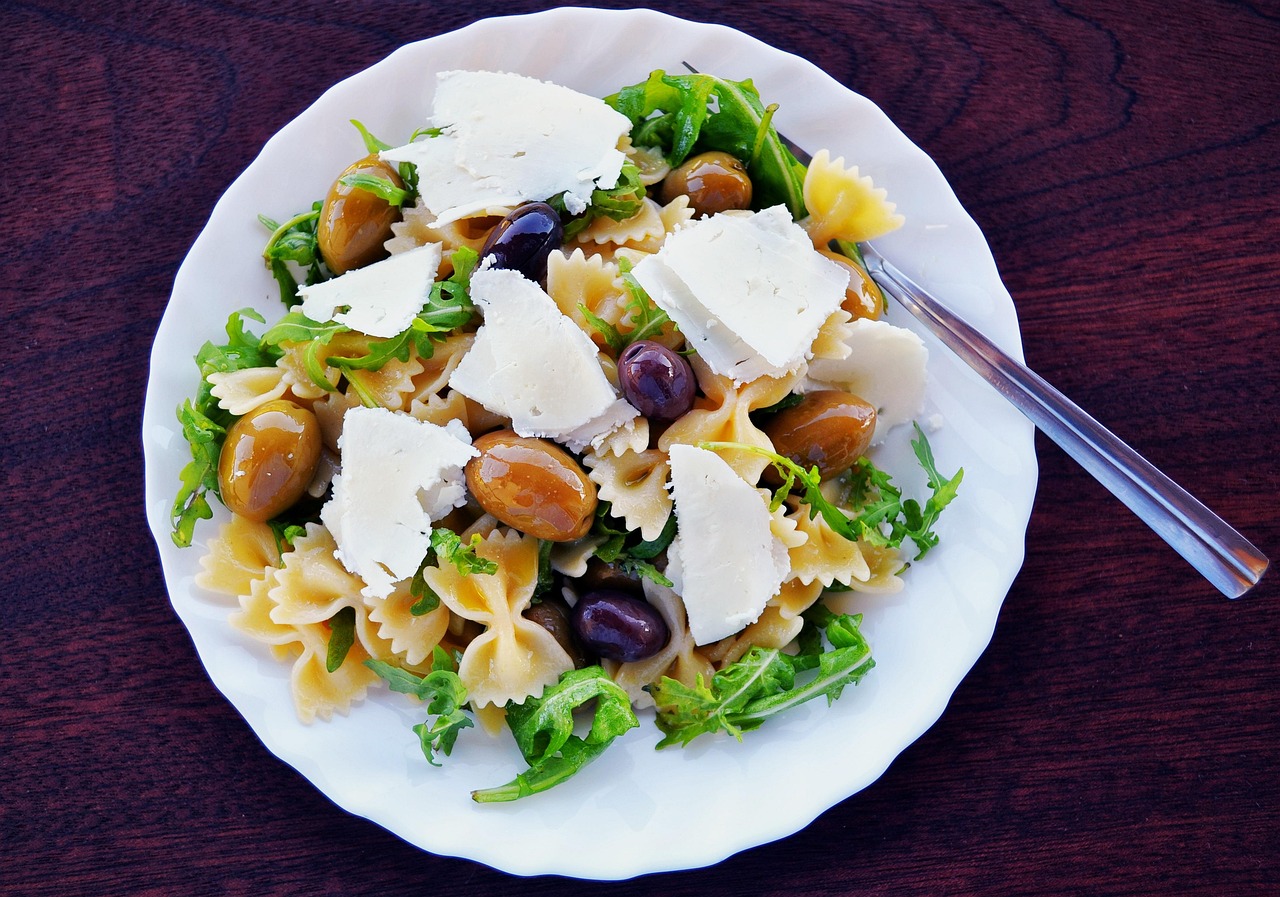
Meal prepping is an effective strategy in maintaining a Mediterranean diet that supports heart health. By planning meals ahead of time, you ensure that wholesome ingredients are readily available. Focus on preparing larger batches of staple dishes, like whole grain pasta salads or stews, that can be portioned out throughout the week. This not only saves time but also mitigates the temptation to indulge in processed foods. When prepping, consider chopping a variety of vegetables for stir-fry or roasting. These components can be easily mixed into numerous meals. Storing meals in clear containers or compartments allows for easy identification and access. Incorporating variety within your meal plans can keep you excited about your diet. You might plan for Mediterranean-style dishes incorporating grains, legumes, and vegetables, rotating these each week. Additionally, having heart-healthy snacks like nuts or hummus with veggies on hand can prevent unhealthy snacking choices. Effective meal prep creates a structured routine around dining while supporting your health goals. As a result, you’ll find yourself enjoying the Mediterranean diet while ensuring your heart stays healthy.
Enjoying a Balanced Dessert
Even within a heart-healthy Mediterranean diet, there’s room for enjoying sweet indulgences, but in moderation. Opting for naturally sweet desserts can satisfy cravings without compromising your health. Consider fresh fruit salads, perhaps topped with a dollop of yogurt and a sprinkle of nuts. This combination is both delicious and nutritious. Another delicious option includes making an almond cake incorporating whole grain flour and sweetened with honey instead of refined sugar. The use of olive oil in baking can create moist textures while enriching flavor. For chocolate lovers, dark chocolate contains antioxidants and can be enjoyed in moderation. Dipping strawberries or nuts in melted dark chocolate creates a satisfying and elegant treat. These desserts celebrate natural sweetness while emphasizing moderation, allowing you to indulge without guilt. Additionally, exploring Mediterranean pastries, such as baklava, can be a delightful experience; just be mindful of portion sizes. Incorporating these health-conscious dessert options helps balance indulgence with heart health. Enjoying desserts thoughtfully encourages a happier, sustainable relationship with food while adhering to your health goals.
The Mediterranean diet is not only about individual recipes but rather a holistic approach to maintaining heart health through various lifestyle modifications. Engaging in regular physical activity complements dietary choices, creating an overall healthier lifestyle. Furthermore, being mindful during meals promotes better digestion and satisfaction. Choosing to sit down for meals instead of eating on the go can enhance your appreciation for food. Sharing meals with family or friends further benefits emotional well-being, often fostering deeper connections. Staying hydrated with water over sugary drinks also contributes to better health outcomes. As many have found, embracing the Mediterranean lifestyle can yield significant improvements in health markers, such as cholesterol levels and blood pressure. Integrating mindfulness into your eating habits encourages a healthier relationship with food, focusing on nourishing your body rather than just filling it. In conclusion, the Mediterranean diet is a transformative approach that encompasses diverse food choices and lifestyle habits conducive to heart health. By adopting this philosophy, you can enhance both your physical and emotional well-being, paving the way for a healthier future.