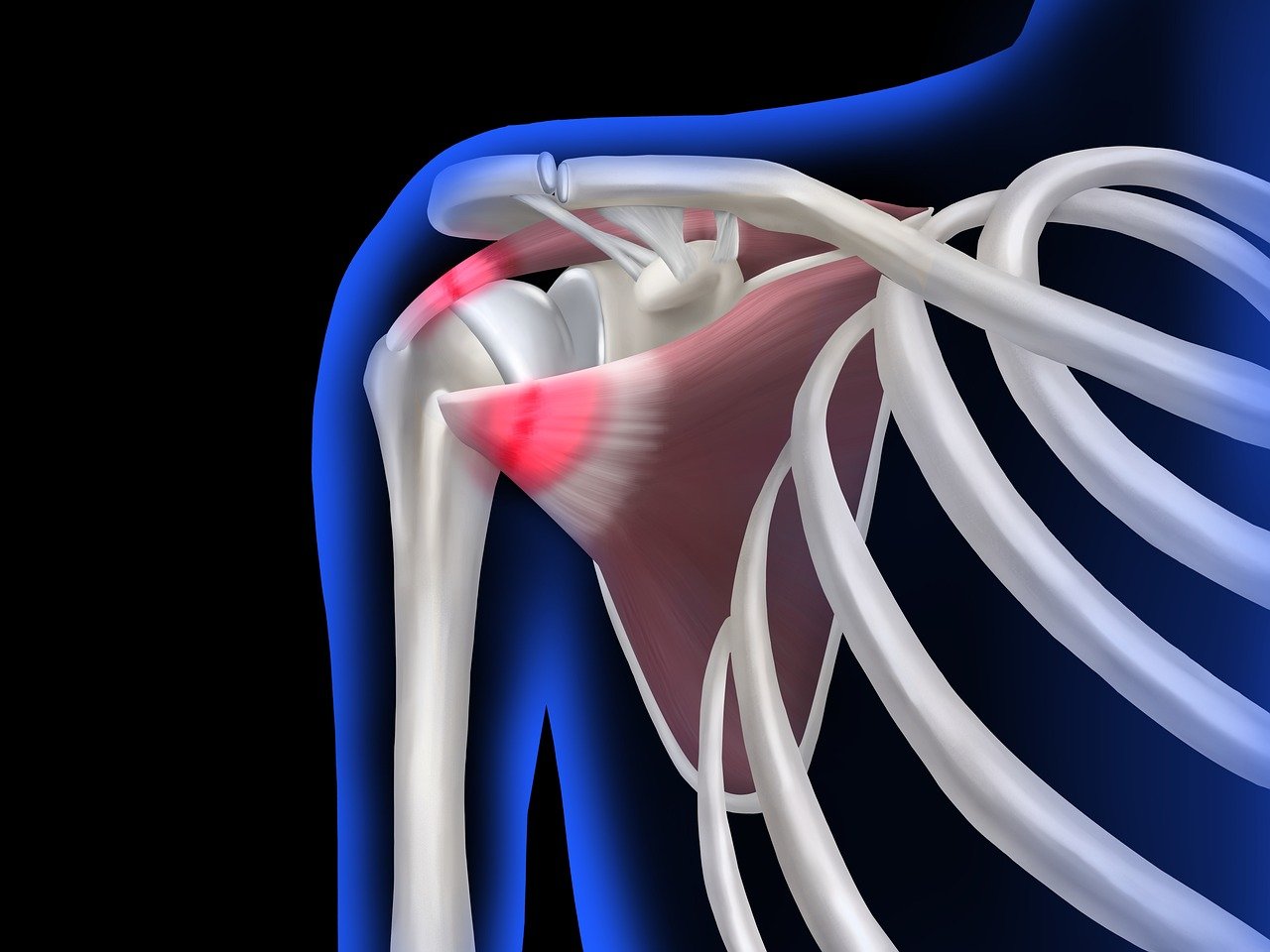

Preventing Shoulder Injuries in Young Throwing Athletes
The frequency of shoulder injuries among young throwing athletes has become a significant concern in youth sports. These injuries often arise from repetitive stress and improper throwing techniques. Hence, it is essential for coaches, parents, and athletes to understand the fundamental aspects of shoulder health. Factors contributing to these injuries include inadequate warm-ups and lack of strength training. Additionally, techniques utilized in training can either reinforce proper mechanics or lead to injury. Prevention strategies can effectively reduce the risk of shoulder injuries, allowing young athletes to excel and enjoy their sports. Emphasizing endurance and strength in the shoulder muscles is crucial for athletes, especially in sports like baseball and softball. Furthermore, introducing age-appropriate training programs can ensure that young athletes develop essential skills and strength required for their sport. By focusing on injury prevention strategies, we can foster a safer sporting environment, where children are encouraged to participate without the fear of injury. These measures can also develop healthy habits, ensuring long-term athletic participation. Engaging in preventive exercises and proper coaching can significantly help young athletes avoid serious injuries.
The Importance of Shoulder Strength and Stability
Strengthening the shoulder muscles is vital for young throwing athletes to maintain performance while reducing injury risk. The rotator cuff and scapular stabilizers play a crucial role in shoulder movement and stability. When these muscles are strong, they help absorb the forces generated during throwing motions. Young athletes often lack the necessary muscle development around their shoulders, making them vulnerable to injuries. Implementing a targeted strength training program can fix imbalances and improve overall shoulder function. Exercises such as external rotations, internal rotations, and scapular retraction can build strength in these weak areas. Parents and coaches should encourage athletes to engage in physical conditioning, focusing on shoulder-specific workouts. Proper warm-up routines are equally important to prepare the muscles for intense activity. Young athletes should never be rushed into high-intensity sports activities without preparing their bodies. Teaching effective stretching techniques prior to practice can also enhance flexibility and reduce tightness. By systematically addressing shoulder strength and stability, the likelihood of injuries can decrease significantly. This proactive approach will cultivate an environment where young athletes can thrive and develop their skills over time.
Overuse injuries, particularly in the shoulders, are prevalent in young throwing athletes. Understanding the signs and symptoms of shoulder problems is essential for injury prevention. When young athletes experience pain or discomfort in their shoulders, it is crucial to address these issues before they escalate. Ignoring symptoms can lead to more serious conditions requiring extensive rehabilitation or even surgical interventions. Coaches should emphasize the importance of communication with their athletes, urging them to voice concerns about their physical condition. A well-structured training program must include adequate rest periods to allow for recovery. Young bodies are still developing, and insufficient recovery can exacerbate the risk of injury. Furthermore, educating athletes about the importance of cross-training can help them balance their physical activity, engaging different muscle groups. Promoting participation in various sports can mitigate the repetitive stress on the shoulder from throwing activities. Coaches and parents must be vigilant in monitoring young athletes’ workloads, ensuring they do not exceed reasonable limits. Encouraging athletes to listen to their bodies will foster a culture of safety and wellness in youth sports.
Proper Throwing Techniques
Teaching proper throwing techniques is essential to prevent shoulder injuries in young athletes. Correct mechanics enhance performance while minimizing strain on the shoulder joint. Coaches should prioritize the fundamentals of throwing, including grip, stance, and arm trajectory. Emphasizing a smooth throwing motion can greatly reduce the stress placed on the shoulder muscles. When athletes use proper mechanics, they engage the entire kinetic chain, distributing forces evenly throughout their bodies. This balanced approach decreases the likelihood of acute injuries and long-term wear and tear. Young athletes should be educated about the importance of body alignment and rotational movements while throwing. Coaches can utilize drills to help athletes practice these techniques consistently. Feedback and video analysis can also assist in identifying areas for improvement. Creating a supportive training environment that encourages learning and understanding can lead to better overall performance. Ultimately, skilled coaching can make a significant difference in a young athlete’s technique, empowering them to throw safely and efficiently. Training programs that include throwing mechanics ensure that athletes develop habits that support their growth, allowing them to enjoy their sport injury-free.
Injury prevention education is vital for coaches, parents, and young athletes. Understanding the common shoulder injuries and their causes enables better preventive strategies. Coaches should attend seminars and workshops focusing on athlete health and injury prevention principles. Education efforts also foster open communication regarding injuries and concerns within the youth sports environment. Collaborating with sports medicine professionals can provide essential insights into injury prevention techniques and rehabilitation practices. Through these relationships, coaches can develop tailored programs that focus on the physical aspects of athlete health. Similarly, parents can play an active role by educating their children about the importance of reporting any pain or discomfort immediately. Encouraging transparency promotes a culture of safety and awareness among young athletes. Moreover, developing comprehensive handouts or resources for parents can help them understand the measures necessary to enhance their child’s safety during sports activities. This education helps prevent the onset of injuries and supports the long-term success of young athletes. When everyone involved is informed and proactive, the likelihood of shoulder injuries decreases significantly.
The Role of Stretching and Flexibility
Maintaining flexibility is essential for shoulder injury prevention in young throwing athletes. A well-designed stretching routine can enhance range of motion and reduce muscle tension. Young athletes should engage in dynamic stretching before practices and competitions to stimulate blood flow and prepare their muscles. Incorporating specific shoulder stretches can improve flexibility while providing essential muscle recovery afterward. Flexibility exercises targeting the chest, shoulders, and upper back are particularly beneficial. When the muscles surrounding the shoulder become tight, they limit mobility and increase injury risk. Therefore, investing time in flexibility training can lead to improved performance and reduced injury potential. Coaches should encourage athletes to prioritize these routines as part of their regular training. Additionally, athletes should learn to balance strength training with flexibility work. Neglecting flexibility can lead to overcompensation and poor mechanics during throwing motions. Likewise, creating a positive environment for stretching will ensure athletes perceive its importance. Integrating flexibility into the overall training program can significantly support the prevention of shoulder injuries while enhancing overall athletic performance.
Monitoring workload and participation frequency is also crucial for injury prevention among young throwing athletes. Maintaining an appropriate amount of practice time and competition helps prevent overuse injuries. Over-scheduling can lead to fatigue, which increases the risk of injuries. Coaches should track the number of throws made during practices and games, adjusting workloads based on the individual needs of each athlete. Emphasizing quality over quantity during practices is essential, allowing athletes to develop skills without excessive strain on their bodies. Implementing a guideline that limits pitch counts and practice intensity can be beneficial. Furthermore, coaches should closely observe athletes for signs of fatigue or discomfort, intervening before issues escalate. Teaching athletes to self-monitor their limits fosters personal responsibility for their health. Communication among coaches, athletes, and parents regarding training loads ensures everyone is on the same page. Establishing clear expectations within training protocols can lead to a more injury-free environment. The dedication to a structured approach enhances athlete safety, promoting lifelong participation in sports while minimizing the risk of injuries.
Conclusion and Ongoing Education
In conclusion, creating a culture focused on injury prevention among young throwing athletes is key. Coaches, parents, and young athletes all have roles to play in promoting a safe sporting environment. Education regarding proper techniques, strengthening, flexibility, and monitoring workload will enhance safety and performance. Consistent communication is essential in identifying problems before they escalate. Building relationships with sports medicine professionals can further support the athletes’ medical needs, providing guidance for injury prevention strategies. Regular assessment of athletes’ performance, as well as their physical development, will ensure ongoing improvement. Scheduling reviews of training programs can help identify potential weaknesses or areas for growth. Parents must also take part in the conversation, reinforcing the importance of injury prevention and developing habits at home that support good practices. Moreover, coaches should remain current with best practices in injury management and prevention, adapting training to meet the evolving needs of their athletes. By fostering a community that prioritizes the health and safety of athletes, we place them on a path toward success that lasts throughout their sports careers and beyond.