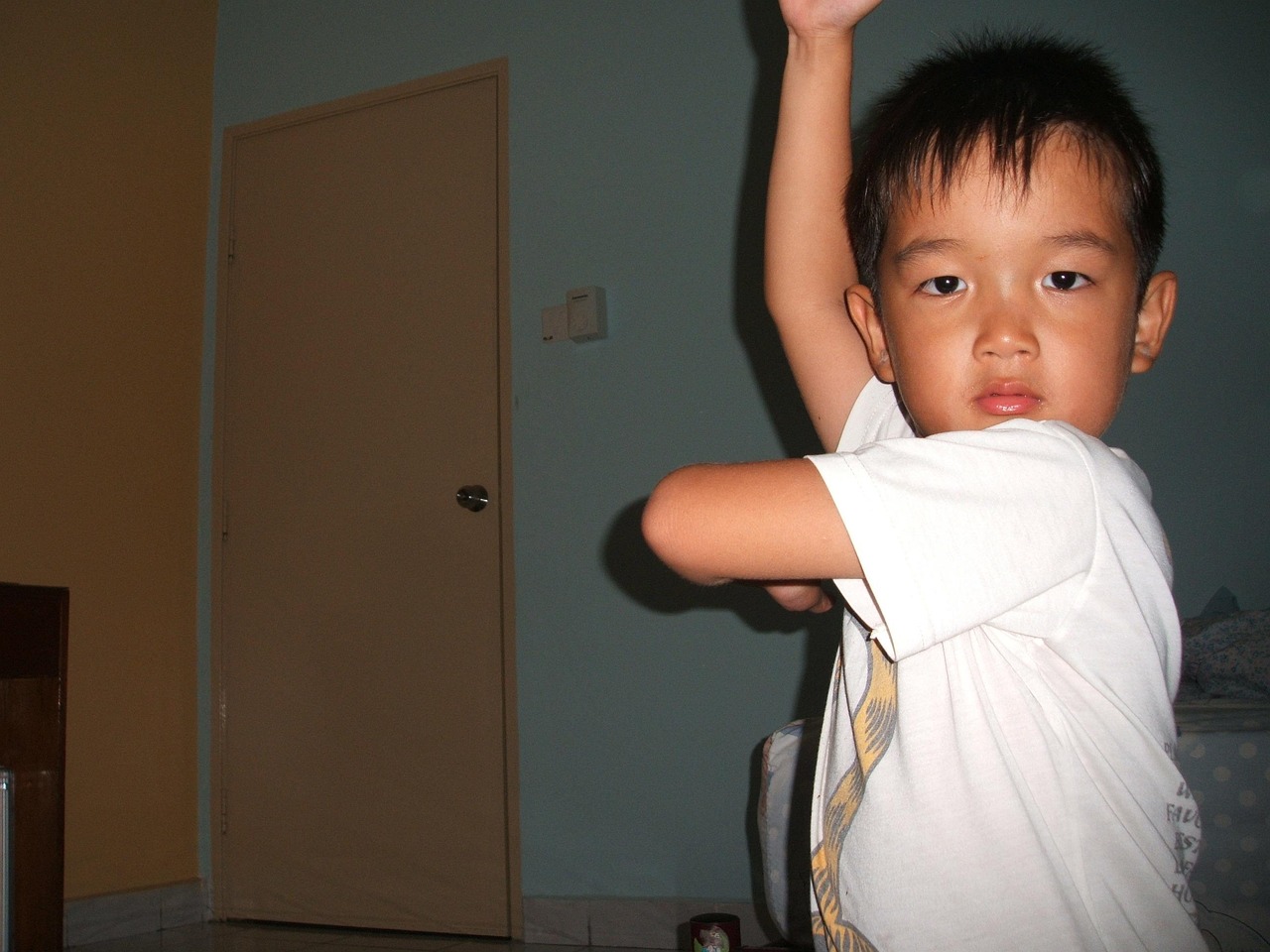

The Effect of Martial Arts on Childhood Anxiety and Stress
Childhood anxiety and stress are becoming increasingly common among young people today. Many children feel overwhelmed due to academic pressure and social expectations. Martial arts provide a unique environment that can help alleviate these feelings. These physical activities promote focus, discipline, and self-control. They also create a structured space where children can learn to manage their emotions. In martial arts, students practice techniques that require concentration and the setting of goals. This can foster a sense of accomplishment that helps combat feelings of stress. Parents are encouraged to explore various martial arts forms, including karate, taekwondo, and judo. Each discipline has its own unique benefits and teaches life skills such as respect and perseverance. By engaging in these classes, children can also build friendships and find a supportive community. Regular physical activity through martial arts can improve mental health. It releases endorphins that promote happiness and can significantly reduce anxiety levels. Overall, martial arts can be an excellent outlet for kids to express themselves and build confidence, which can lead to improved psychological resilience.
Building Self-Confidence Through Training
Self-confidence is vital for children as they navigate through various challenges. Martial arts training encourages kids to take risks and develop confidence in their abilities. Through consistent practice, they learn new skills and techniques and set tangible goals. Every time they achieve a new belt or master a new move, it directly impacts their self-esteem. This process of setting and meeting personal goals empowers young learners. Moreover, the structure of martial arts classes often requires participants to perform in front of peers, reinforcing their self-worth. As they learn to overcome challenges, children find that they can conquer both physical and mental hurdles. Furthermore, many martial arts focus on positive affirmations and mental resilience. Instructors often promote a growth mindset, which emphasizes effort over innate talent. This mindset fosters the belief that abilities can improve with practice and dedication. In this supportive atmosphere, children blossom and learn to face life’s challenges head-on, both inside and outside the dojo. The confidence they gain translates into all areas of their lives, including academics and social interactions, providing lifelong benefits.
Parents often search for effective methods to help their children manage anxiety and stress. Martial arts not only teach self-defense but also instill essential life skills. One major component of martial arts is mindfulness and breathing techniques. Instructors incorporate these elements into the training, allowing kids to develop self-awareness. By focusing on their breathing, students learn to create a sense of calm during stressful situations. This practice of mindfulness remains available beyond class and can be applied throughout their daily lives. Additionally, martial arts often promotes respect for oneself and others. Emphasis on community and teamwork allows children to build relationships with peers while encouraging a sense of belonging. This supportive environment is critical for emotional development in young kids. The friendships formed during training can provide emotional support, buffering against the effects of anxiety. Parents also gain insights into their children’s emotional growth during classes. They can observe their child’s progress and their interaction with peers, thus forming deeper bonds. Overall, this sense of connection enhances both the child’s well-being and familial relationships.
Establishing Discipline and Focus
Discipline is a crucial component in martial arts that can benefit a child’s emotional well-being. Practicing martial arts requires children to commit to regular training sessions and follow the instructors’ guidelines. This commitment fosters self-discipline and can help children channel their energies positively. In turn, discipline gained from martial arts can improve attention spans, leading to better focus in academic settings. Students must pay close attention to their instructors to learn and apply complex techniques, exercise strategies, and sparring rules effectively. As children learn to train their bodies and minds, they cultivate patience. In martial arts, immediate results are not always visible, promoting long-term perseverance. Additionally, this focus encourages them to stay present and tackle their challenges step by step. As a result, they experience a reduction in anxiety since they learn to manage their thoughts and practice mindfulness. The structured environment of martial arts aids in building a routine, which can be comforting and stabilizing for kids struggling with anxiety. By integrating these values into their daily lives, children emerge as more disciplined and focused individuals.
A key aspect of martial arts that impacts childhood anxiety and stress is social interaction. Many children thrive in environments where they can engage with their peers. Classes create an opportunity for children to develop friendships. Through teamwork and sparring, kids learn to communicate effectively, enhancing social skills. These interactions contribute to their personal development, fostering empathy and understanding. Additionally, this camaraderie helps lessen feelings of isolation that can accompany anxiety. Children also experience a sense of belonging, which is vital for their emotional health. As they progress in martial arts, they find themselves in a supportive community that shares both challenges and victories. Instructors play a significant role in this process. They often act as mentors, guiding children not only in martial arts but in life lessons as well. This relationship promotes trust and encourages open discussion about feelings and anxieties. Parental involvement can further strengthen this bond, as families connect over shared experiences in martial arts. Ultimately, these connections create a network of support that reinforces children’s coping mechanisms, reducing anxiety and increasing self-worth.
Physical Activity and Its Impact
Physical activity is known to reduce feelings of anxiety and depression. Martial arts offer an engaging way for children to stay active while helping them manage stress. Regular participation in these activities allows kids to experience the psychological benefits associated with exercise. During martial arts training, children engage their bodies and minds, directing energy toward physical activity rather than potential stressors. As they kick, punch, and perform movements, children release pent-up energy, resulting in reduced tension and heightened relaxation. Furthermore, the endorphins released from physical activity serve as natural mood boosters, promoting happiness and well-being. The combination of exercise and mindfulness techniques strengthens both physical and mental health. Martial arts often have a cultural component that draws children into the history and philosophy behind the practices. This interest further motivates kids to remain active and engaged, knowing the benefits of their efforts. Parents can see a transformation in their children’s mood and behavior as they grow stronger physically and emotionally. By investing in martial arts, families contribute to their child’s long-term health benefits, promoting a more settled and confident future.
Finally, martial arts provide a unique avenue for children to learn about respect and self-control. As they practice with their peers, they encounter structured guidelines that encourage treating others fairly. Understanding the importance of respect helps kids handle conflicts more peacefully, reducing interpersonal anxiety. Instructors teach the significance of resolving disputes without aggression, promoting a more harmonious environment in each class. Many martial arts emphasize humility, demonstrating that there is always room for growth. This notion encourages a healthy mindset regarding personal challenges. As children recognize their limitations, they become more resilient in the face of adversity. The emphasis on cooperation assists in reducing feelings of competitiveness that may lead to stress during childhood. Instead, students are encouraged to celebrate each other’s achievements, reinforcing a sense of community. The blend of camaraderie, respect, and teamwork cultivates an atmosphere that fosters emotional well-being. Combined with the skills acquired through martial arts, these lessons prepare children to navigate life’s challenges gracefully. Ultimately, martial arts can significantly impact a child’s anxiety and stress levels, offering valuable tools for personal development and emotional resilience.