
The Impact of Alcohol on Hydration and Athletic Recovery
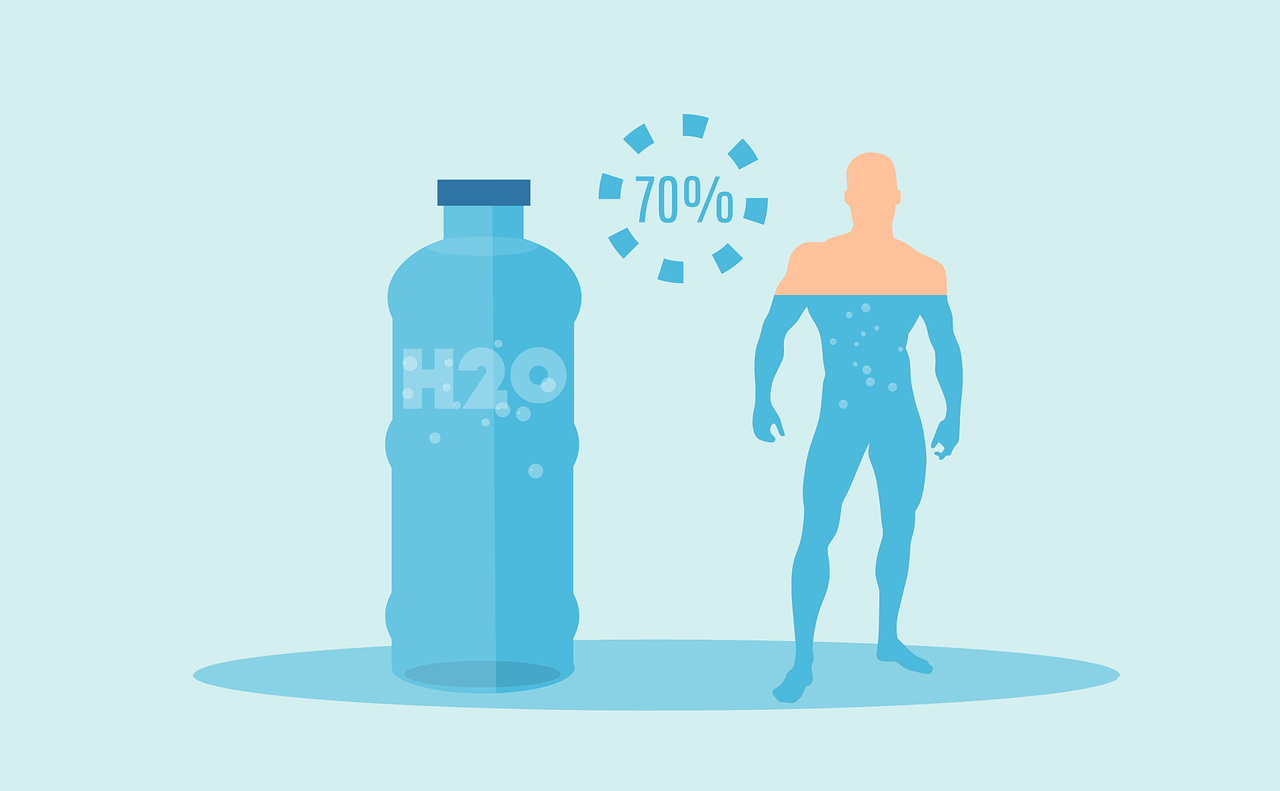
Hydration plays a critical role in athletic performance and recovery, influencing endurance, strength, and overall well-being. Athletes often face dehydration due to intense training sessions. Maintaining optimal hydration levels ensures that bodily functions operate efficiently. However, the consumption of alcohol can significantly disrupt hydration balance. Alcohol acts as a diuretic, increasing urine production and consequently decreasing water retention. This effect can lead athletes to unknowingly enter a dehydrated state, impairing their recovery process. The importance of understanding alcohol’s impact cannot be overstated, as many athletes do enjoy socializing and may not realize the implications for their hydration. Consuming alcoholic drinks post-exercise can create a misleading sense of rehydration while simultaneously exacerbating dehydration. This double threat can hinder recovery and delay performance enhancements sought by athletes. To manage hydration effectively, athletes attempt to replace lost fluids with water or sports drinks; meanwhile, they should also monitor alcohol consumption. This careful approach helps optimize athletic performance while balancing social engagements. It is essential to weigh the benefits versus consequences of alcohol intake while pursuing top athletic performance. Moreover, moderation and timing are critical for those who indulge in alcoholic beverages.
Dehydration results from fluid loss exceeding intake, which may occur during workouts or competition. Athletes often lose significant amounts of fluid through sweat, particularly in high-intensity and endurance activities. Liquid replenishment through water and sports drinks is vital to counteract this fluid loss. When alcohol is introduced into the equation, it complicates hydration strategies. The diuretic effects of alcohol may cause athletes to underestimate their hydration status, potentially delaying recovery timelines. Furthermore, with dehydration, fatigue, and cognitive impairment may set in sooner than expected. Pain sensations might also become heightened, undermining an athlete’s ability to gauge their limits during training. Thus, understanding the relationship between alcohol and hydration empowers athletes to make informed choices. It is crucial to prioritize hydration strategies before, during, and after physical exertion. Planning would involve consuming enough fluids to replenish what is lost, ensuring athletes engage in proper nutritional practices. Many elite athletes turn to hydration testing to monitor their fluid levels and optimize their intake. Poor hydration strategies can counteract the hard work athletes put into training while also raising potential risks of injury. Knowing when to avoid certain substances, like alcohol, becomes paramount in a successful hydration strategy.
The Timing of Alcohol Consumption
The timing of alcohol consumption significantly impacts hydration levels and athletic recovery. Consuming alcohol immediately after a workout may exacerbate dehydration. During recovery, a body actively seeks to restore lost fluids, electrolytes, and nutrients. Alcohol can interfere with this vital process by promoting fluid loss. Athletes should consider delaying alcohol intake until they reacquire optimal hydration levels. Generally, aiming to consume water or electrolytic drinks post-exercise helps facilitate recovery. Engaging in smart consumption practices, such as assessing hydration status before enjoying that post-game drink, will empower athletes to make better choices. Planning hydration breaks around physical exertion can ensure that the necessary fluids are absorbed before considering alcoholic beverages. Furthermore, combining water with alcoholic drinks is crucial as it can mitigate alcohol’s dehydrating effects. Remember, each individual’s body processes alcohol differently, making it imperative for athletes to understand their unique limits. Paying attention to hydration signals helps maintain hydration balance. This awareness enhances overall performance and prolongs athletic careers. The decision of when to indulge must align with an athlete’s training schedules and goals. Ultimately, moderation is essential to support both performance and social interactions during downtime.
Physical fitness and hydration are deeply intertwined, and they become even more significant for athletes competing at high levels. When athletes engage in training or competition, they experience changes in fluid balance that must be addressed promptly. The consequences of neglecting hydration can lead to decreased performance while also increasing the risk of heat-related illnesses. Alcohol intake can exacerbate these effects, making it essential for athletes to stay informed. When competitors push their bodies to the limit, ensuring proper fluid intake is a priority, while controlling alcohol consumption is equally essential. Athletes should prioritize forethought in their hydration approaches, especially in social contexts. Research suggests that alcohol can lead to increased heart rate and perceived exertion. Athletes must recognize that indulging during training might not only affect hydration but can also disrupt cognitive function, coordination, and prompt decision-making. Such disruption can have negative repercussions on athletes’ performances. The thin line between social enjoyment and competitive focus must be navigated carefully, where moderation is key. By creating sustainable hydration plans and carefully considering alcohol intake, athletes effectively enhance recovery and performance potential.
Understanding Recovery
Recovery from intense physical activity is essential for optimizing performance levels among athletes. Proper recovery strategies promote the repair of muscle fibers and replenishment of energy stores. Hydration significantly aids this process by ensuring that nutrients are distributed effectively throughout the body, and waste products are eliminated efficiently. However, alcohol intake can negatively affect these recovery processes. It disrupts sleep patterns, and sleep is crucial for muscle recovery, repair, and overall performance enhancement. Chronic consumption may lead to increased inflammation levels within the body, ultimately hindering muscle repair. Moreover, consuming alcohol post-exercise may lead athletes to make poor nutritional choices, skipping the essential protein and carbohydrates required for recovery. The struggle between wanting to celebrate team wins with drinks and seeing the big picture of long-term recovery can be challenging. To maximize recovery, athletes should focus on balanced diets alongside effective hydration strategies. Engaging in recovery protocols means prioritizing hydration and nutrition without compromise. Understanding personal limits regarding alcohol can empower athletes to reach their optimal potential without jeopardizing their health. Embracing a holistic approach to recovery fosters achievement and personal growth.
Athletes are not only focused on performance but also on maintaining a lifestyle that supports their training goals. Insights into how alcohol affects hydration have increasing importance in competitive sports. As athletes strive to enhance performance, striking a balance between preparation, consumption, and recovery becomes vital. Personal choices regarding alcohol consumption should be made with the awareness of their potential impact on hydration status and recovery outcomes. Athletes need to develop mindful drinking habits that respect the rigorous demands of their sport. Choosing low-alcohol beverages or spacing out drinking sessions with water intake are excellent strategies. Additionally, engaging in non-alcoholic social events may provide necessary support without compromising recovery. Similarly, replacing alcoholic drinks with low-calorie alternatives ensures that hydration levels are maintained without overindulgence. Raising awareness within sports communities about alcohol’s effects can foster cultures that prioritize health and well-being. Engaging coaches, trainers, and peers in these discussions can cultivate an environment where athletes rally together in promoting responsible consumption. With open communication, athletes can empower one another to assess their habits, ensuring that both social and fitness goals are fulfilled without compromising performance.
Conclusion
In conclusion, understanding the impact of alcohol on hydration and athletic recovery is essential for maintaining optimal performance. Athletes must educate themselves about the consequences of alcohol consumption as they relate to hydration levels. By recognizing the dehydrating effects of alcohol, athletes can make informed choices that support their training and recovery goals. Strategies such as consuming adequate water before, during, and after exercise can mitigate the risks associated with alcohol intake. Additionally, carefully planning social engagements around hydration needs will allow athletes to enjoy social situations without compromising their hard work. Creating a culture that promotes responsible alcohol consumption will benefit the athletic community as a whole. This enables athletes to thrive not only in competition while also managing their social lives. Prioritizing a holistic approach to nutrition, hydration, and recovery helps athletes reach their full potential. The commitment to maintaining balance can significantly enhance performance and long-term athletic success. Ultimately, the key is moderation and mindful decision-making surrounding alcohol intake. Athletes driven to reach peak performance must keep their hydration strategies at the forefront of their training plans.
This approach nurtures a holistic lifestyle that supports physical fitness and social engagements. By acknowledging the impact of alcohol on hydration and recovery, athletes can navigate their choices effectively. Engaging with professionals in sports nutrition and hydration will further enhance understanding and application of personalized strategies that complement training. The journey to top athletic performance is paved with knowledge about potential setbacks that could disrupt progress. Embracing a learning mindset empowers athletes to consistently improve both in the gym and in life, allowing for resilience amidst challenges. Therefore, sports education surrounding the influence of hydration strategies and the interplay of alcohol consumption can promote informed decisions during crucial moments. Athletes are encouraged to share their insights within their communities, creating a ripple effect of awareness. With the right approach to hydration, nutrition, and understanding alcohol’s effects, athletes will find the balance essential to reaching their performance goals while leading fulfilling lives.