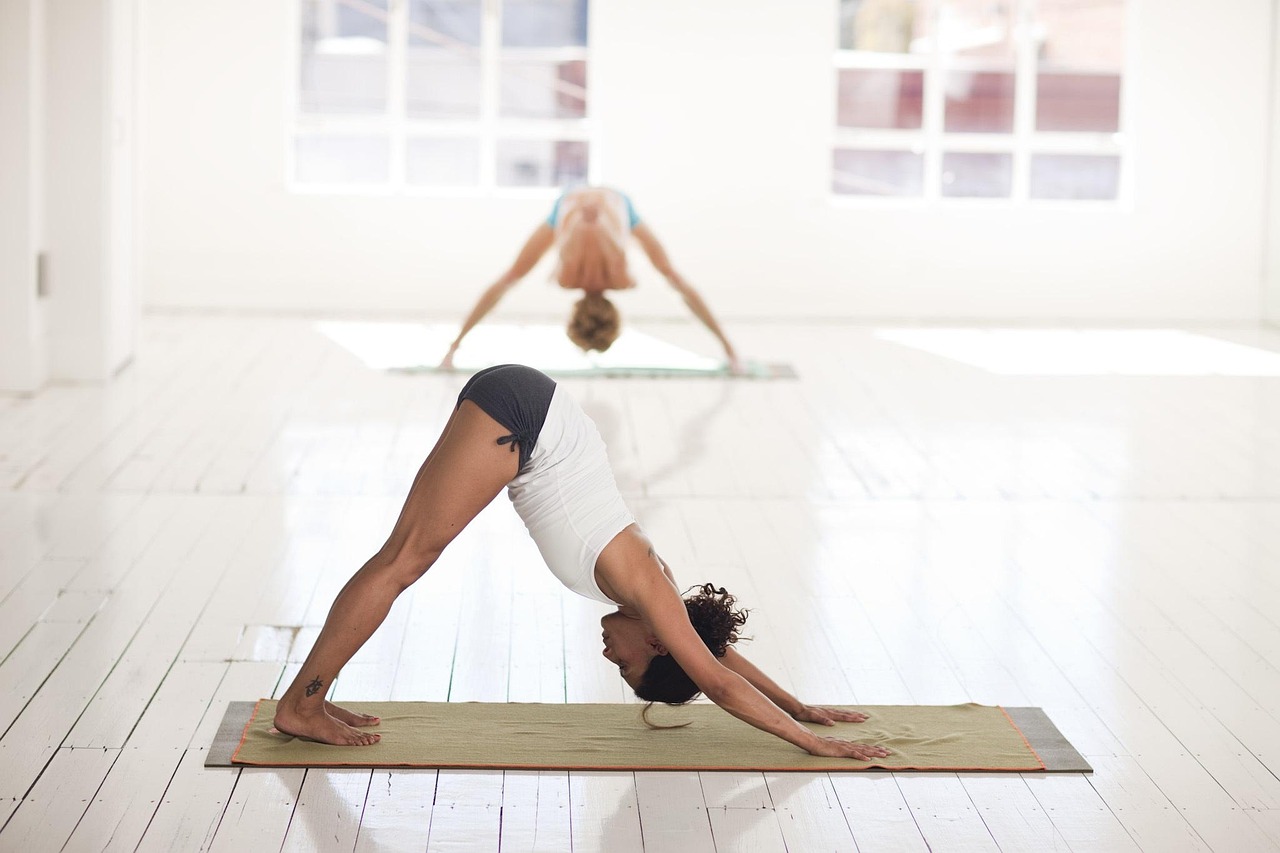

The Importance of Flexibility in Injury Prevention
Flexibility is a crucial component of overall fitness, as it directly affects our ability to perform movements efficiently. By incorporating flexibility training into your routine, you can reduce the risk of injuries during physical activity or daily tasks. Stretching keeps muscles long and pliable, enabling a greater range of motion. When we maintain good flexibility, we assist in preventing muscle strains, ligament sprains, and joint pain. Additionally, flexible individuals often demonstrate improved athletic performance, as enhanced mobility allows for better movement and adaptability. Numerous studies indicate that athletes with higher levels of flexibility experience fewer injuries, highlighting the importance of a consistent stretching regimen tailored to individual needs and capabilities. Effective flexibility training should include a mix of static and dynamic stretches. Static stretching, where a stretch is maintained, is beneficial after workouts. Conversely, dynamic stretches, involving gentle movements that encourage the muscle to elongate and contract, are best performed before exercising. A well-rounded stretching routine fosters not only physical well-being but also mental relaxation, benefitting overall health and wellness.
To effectively implement a flexibility program, it is essential to focus on various muscle groups. Each muscle group plays a distinct role in mobility and movement, so neglecting certain areas can lead to imbalances and increase injury susceptibility. Therefore, a comprehensive flexibility routine should include stretches for the legs, hips, back, shoulders, and arms. For instance, hamstring stretches can alleviate tightness and improve leg function, while hip openers enhance pelvic flexibility, aiding in better athletic performance. Incorporating flexibility exercises into your workout can enhance circulation, reducing muscle soreness and expediting recovery. The process is simple, requiring only a few minutes of dedicated time each day to target multiple muscle groups effectively. Focusing on breathing while stretching helps deepen the relaxation process, allowing muscles to release tension more thoroughly. People often overlook the psychological benefits of flexibility training; it can serve as a stress relief tool, providing respite from daily pressures. Engaging in mindfulness while stretching enables better self-awareness and promotes a positive mental state. Consistency is key, and integrated flexibility sessions within regular workout schedules can drastically help athletes and recreational enthusiasts alike.
How Flexibility Affects Overall Physical Health
Understanding the role flexibility plays in injury prevention goes beyond the physical realm. Improved flexibility enhances coordination, balance, and posture, all essential for the athletic population and those engaged in everyday movements. As flexibility reduces the risk of injuries, it simultaneously contributes to longevity and quality of life. Maintaining flexibility as one ages can alleviate stiffness and enhance comfort levels during daily activities. By engaging in regular stretching routines, individuals can maintain functional fitness as they grow older. Furthermore, flexibility can impact performance in various sports, allowing athletes to execute techniques with optimal efficiency. For instance, gymnasts and dancers rely heavily on flexibility, with their success dependent on rich ranges of motion. Incorporating sport-specific flexibility training can yield substantial benefits, including reduced downtime due to injuries. Ensuring stretching is properly performed is crucial. Improper or forced stretching can lead to the opposite effect, resulting in injury. Thus, it’s vital to approach flexibility practices sensibly and listen to body cues. Consulting with professional trainers may also be beneficial for technique transitions, personalized advice, and effective program design tailored to individual needs.
Achieving and maintaining flexibility requires patience and dedication. Regular practice opens the door to noticeable improvements, but results may not be immediate. Setting achievable targets helps and encourages ongoing participation in flexibility training. Developing a habit of incorporating stretching into warm-up and cool-down phases can ensure flexibility training becomes integral to a fitness regimen. It’s essential to recognize that all stretching techniques have their advantages, thus diversifying the routine can prevent monotony while addressing various muscle groups effectively. Using props such as yoga straps or blocks also enhances stretching by helping maintain proper form and accessibility. Many find that joining group classes or engaging in partner stretches can make sessions enjoyable and motivating. These social aspects can further fuel commitment to flexibility improvement. Ensuring an appropriate environment is crucial for incorporating stretching routines successfully. Whether practicing at home or joining a class, a calm setting positively influences motivation and outlook. Dedicated physical spaces encourage individuals to focus on their progress. Emphasizing flexibility training fosters a holistic approach to personal well-being, intertwining physical health with mental and emotional benefits, ultimately leading to enhanced injury prevention.
Conclusion: Making Flexibility a Priority
Flexibility is a fundamental aspect of fitness that should never be overlooked. Engaging in stretching routines cannot merely be an afterthought but rather a priority embedded in your exercise regimen. By taking flexibility seriously, you can help to ensure long-term health benefits, improved athletic performance, and a significantly reduced risk for injuries. A well-rounded approach to flexibility training will involve regular assessments of your flexibility levels and adjusting stretching routines based on progress. Recognizing personal limitations and respecting bodily signals during these sessions fosters safe and effective stretching practices while preventing injury risk. Exploring a variety of stretching techniques and finding what works best for you ensures consistent progress and enjoyment. The combination of patience, dedication, and the right mindset during flexibility training creates a more resilient athletic body. As you commit to a flexibility routine, remember that less can often be more—listening to your body guarantees long-lasting improvements and sustainable change. Take these insights into account and begin prioritizing your flexibility today. Healthy flexibility provides a pathway to injury-free living and enhanced overall fitness, benefiting all aspects of life.
In summary, investing in flexibility training is a wise choice for personal well-being and injury prevention. Its role in physical fitness is irrefutable and encompasses numerous health benefits, including better posture, increased blood flow, and reduced muscle soreness. Tailoring a routine suited to your personal health goals is essential. Consistent and effective flexibility practices yield tangible results over time. For those unsure about where to begin their journey, numerous resources are available. Fitness centers often provide classes focused solely on flexibility, while numerous online platforms present guided stretches or instructional videos. By embracing flexibility as part of a balanced fitness program, individuals can empower themselves to pursue physical activities safely. Learning about the basic principles of flexibility also enhances the enjoyment of practice. Stretching does not require expensive equipment or extensive time commitment, meaning it can easily be incorporated into any lifestyle. Start with simple stretches in a comfortable environment, gradually advancing to more complex routines. Remember to celebrate milestones and remain mindful of progress during the journey while connecting with supportive communities will aid motivation and sustain effort.
Additional Resources and Considerations
For those eager to delve deeper into flexibility training, many resources are at your disposal. Local gyms, community centers, and online platforms frequently offer classes and instructional videos tailored specifically for flexibility training. Engaging certified trainers ensures you receive guidance tailored to personal needs, effectively addressing any concerns while maximizing benefits. Exploring particular modalities, such as yoga and Pilates, can aid in enhancing flexibility further while also promoting mental well-being. Be open to incorporating these practices into your life, as they offer many advantages beyond flexibility. In addition to structured classes, consider online forums or social media groups where individuals share experiences and tips related to flexibility training. Communities may foster motivation and provide an encouraging environment to promote positive habits. Learning and sharing experiences can result in a more successful flexibility journey. Also, don’t hesitate to consult medical professionals if underlying issues hinder flexibility. Understanding the body’s limits is vital to developing a safe and effective routine. Ultimately, embracing flexibility is a personal journey leading to lifelong rewards, contributing to healthier, more active lives. Start your flexibility journey today to open the door to a world of physical possibilities!
In closing, prioritize flexibility in your routine, aiding in injury prevention and overall well-being. Consistency leads to lasting benefits, so ensure a balanced incorporation of stretching practices in personal fitness journeys. Step forward into a commitment to enhance flexibility, fostering improved health and vitality while indulging in physical activities you love. Remember, it isn’t solely about engaging in exercises but treating your body with respect for its innate capabilities. Establish a space and time dedicated to practicing flexibility. Approach stretching with intention and a positive mindset, further contributing to motivation and success in achieving your fitness goals. Celebrate progress, even the small victories, as every improvement signifies a step toward greater wellness. A well-rounded routine, encompassing strength and flexibility training, ensures a holistic approach to health, enhancing athletic performance while minimizing injury risks. Embrace the transformative potential of flexibility by making it a staple of your fitness regime, reaping the benefits of injury resistance and improved quality of life. With perseverance and dedication, flexibility will serve as a foundation for achieving the physical aspirations you seek.