
The Role of Sleep in Calisthenics Cool-down Recovery
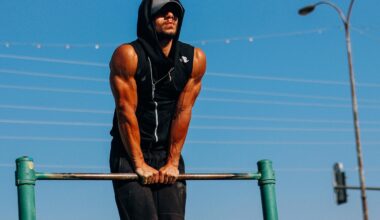
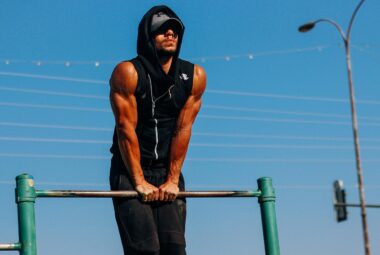
Calisthenics is a demanding physical discipline involving bodyweight exercises that require strength, flexibility, and endurance. After an intense workout, cool-down techniques become crucial for effective recovery. One of the most overlooked aspects of recovery is sleep, which is essential for muscle repair, stress relief, and overall physical health. During sleep, the body uses downtime to rebuild and recuperate, which is especially important for athletes who engage in strenuous workouts. This process boosts performance and can have a lasting impact on overall physical fitness. Sleep also plays a significant role in reducing muscle soreness and improving flexibility, thus enhancing one’s ability to perform calisthenics exercises. Furthermore, quality sleep contributes to mental recovery, essential for maintaining focus and motivation. Many calisthenics practitioners may underestimate the amount of rest needed post-workout, leading to diminished returns on technique and performance. Incorporating proper sleep hygiene, such as maintaining a consistent sleep schedule and creating a restful environment, should be a priority for anyone serious about calisthenics. With better sleep, athletes can fully benefit from the physical exertion they place on their bodies.
The combination of effective cool-down techniques with adequate sleep allows calisthenics enthusiasts to achieve a higher level of performance and recovery. Proper cooldown methods include activities like stretching and breathing exercises, which not only assist in relaxing the muscles but also help in lowering the heart rate. Additionally, understanding the crucial connection between sleep and recovery can help athletes plan their routines more strategically. For instance, practitioners are encouraged to observe their sleep patterns and assess how these affect not just their recovery but their performance as well. Sufficient sleep enhances physiological processes that are responsible for muscle growth and repair, an aspect that can be pivotal in a calisthenics workout. In many cases, athletes will find that reducing their overall training intensity may actually lead to better sleep quality and, consequently, improved performance results. Implementing a variety of cool-down techniques can further enhance their overall physical state and readiness for future workouts. There’s no doubt that the relationship between sleep quality and athletic performance is significant, supporting the case for improved recovery times with enhanced sleep duration and quality.
Understanding Sleep Cycles
Understanding the different stages of sleep is essential for athletes engaged in calisthenics. Sleep consists of various cycles, each playing a specific role in recovery and rejuvenation. The body progresses through several stages, including light sleep, deep sleep, and REM sleep. Each stage offers unique benefits that contribute to physical and mental recovery. Deep sleep is particularly beneficial, as it’s during this stage that growth hormone is released most effectively, facilitating muscle repair and cellular recovery. For calisthenics practitioners, prioritizing deeper sleep cycles can lead to greater strength gains and enhanced flexibility, which are vital for performing advanced movements. Moreover, the REM stage assists in processing and consolidating the day’s learning, crucial for athletes looking to improve technique. Quality sleep not only influences physical performance but also impacts mental sharpness, which is crucial for timing and movement efficiency in calisthenics exercises. Developing good sleep hygiene and fostering a conducive sleep environment is paramount. Creating routines that allow for relaxation before bed can significantly enhance the quality of sleep, which ultimately supports recovery goals and improves overall performance in calisthenics.
The benefits of sleep for athletic recovery extend beyond physical aspects, influencing emotional well-being as well. Sleep deprivation can lead to increased stress, irritability, and decreased motivation, all of which can hinder an athlete’s performance. For the calisthenics enthusiast, having a clear mind is essential to focus on form and technique during workouts. Furthermore, adequate sleep supports the immune system, reducing the risk of injury and illness, which can derail training progress. Implementing mindfulness and relaxation techniques before sleep can be beneficial. Techniques such as meditation, breathing exercises, and visualization can promote relaxation, leading to improved sleep quality. It’s important for calisthenics practitioners to acknowledge the mental aspect of workout recovery, recognizing that recovery isn’t solely about the body but also the mind. The overall journey towards optimal performance is a holistic endeavor, with sleep serving as a central pillar. By prioritizing recovery strategies that include both cooldown techniques and sufficient sleep, individuals can drastically enhance their performance in calisthenics, enabling them to unlock their full potential in this demanding discipline.
Tips for Improving Sleep Quality
Improving sleep quality is paramount for any athlete aiming to enhance their performance in calisthenics. Here are several tips to consider for better sleep hygiene. First, establishing a consistent sleep schedule is crucial; going to bed and waking up at the same times daily helps regulate the body’s internal clock. Secondly, creating a sleep-conducive environment by minimizing noise and reducing light can significantly enhance sleep quality. Using blackout curtains or eye masks can prevent disturbances from outside. It’s also advisable to limit screen time before bed, as blue light exposure can interfere with melatonin production, an important hormone for sleep. Incorporating a relaxing pre-sleep routine can also prove beneficial; activities like reading or gentle stretching can facilitate a smooth transition to sleep. Additionally, considering dietary choices in the evening can impact sleep; avoiding caffeine and heavy meals may lead to a more restful night. Workouts should ideally be completed several hours before bedtime to allow the body to wind down. By implementing these strategies, athletes engaging in calisthenics can significantly improve their sleep quality, resulting in better recovery and performance.
Recovery through sleep, combined with proper cooldown techniques in calisthenics, is essential to achieving personal fitness goals. The goal of cooldown techniques is to prevent injury, reduce soreness, and prepare the body for future efforts. Incorporating sleep into this recovery process ensures athletes can rebuild their strength consistently. One approach could be alternating cooldown techniques post-workout depending on the intensity of the exercise. For low-intensity activities, simple stretches may suffice, while high-intensity sessions demand comprehensive cooldown practices that include deep breathing and guided stretching. This balance helps in restoring muscle length and flexibility, crucial factors for success in calisthenics where mobility is key. Over time, practitioners may find that improving agility and strength results from better cooldown practices paired with quality sleep, reinforcing the importance of a well-rounded recovery strategy. Emphasizing the value of a complete recovery program that addresses sleep health and cooldown methods will ultimately enhance performance. Athletes involved in calisthenics should continually monitor their recovery strategies to maximize results, a crucial element in their ongoing fitness journey.
Conclusion
In conclusion, understanding the profound impact of sleep on calisthenics performance and recovery is vital for enthusiasts dedicated to the discipline. Cooldown techniques play a significant role in the recovery process, but they achieve maximum efficacy when combined with quality sleep. Thus, prioritizing sleep hygiene should be a top concern for anyone serious about enhancing their calisthenics game. The interplay between cooldown techniques and adequate rest supports muscle recovery, flexibility, and overall performance enhancement. As these elements synergistically work together, athletes will find themselves not only recovering faster but also making tangible progress in their calisthenics routines. Practitioners should aim for holistic routines that promote both physical and mental wellness, recognizing the dual importance of sleep in their training regimens. By embracing thoughtful cooldown strategies and prioritizing quality sleep, individuals can unlock new levels in their calisthenics practice. The journey involves continuous learning and adaptation; keen attention to recovery strategies will ultimately pay dividends in performance results over time. Thus, athletes should remain proactive in managing their recovery to optimize outcomes and ensure prolonged engagement in calisthenics.
The Role of Sleep in Calisthenics Cool-down Recovery
Calisthenics is a demanding physical discipline involving bodyweight exercises that require strength, flexibility, and endurance. After an intense workout, cool-down techniques become crucial for effective recovery. One of the most overlooked aspects of recovery is sleep, which is essential for muscle repair, stress relief, and overall physical health. During sleep, the body uses downtime to rebuild and recuperate, which is especially important for athletes who engage in strenuous workouts. This process boosts performance and can have a lasting impact on overall physical fitness. Sleep also plays a significant role in reducing muscle soreness and improving flexibility, thus enhancing one’s ability to perform calisthenics exercises. Furthermore, quality sleep contributes to mental recovery, essential for maintaining focus and motivation. Many calisthenics practitioners may underestimate the amount of rest needed post-workout, leading to diminished returns on technique and performance. Incorporating proper sleep hygiene, such as maintaining a consistent sleep schedule and creating a restful environment, should be a priority for anyone serious about calisthenics. With better sleep, athletes can fully benefit from the physical exertion they place on their bodies.