
Advanced Plyometric Techniques to Overcome Weight Loss Plateaus
Plyometric training is an effective approach for weight loss, particularly because it combines high-intensity movements with strength training that maximizes calorie burn. To experience results, it’s essential to incorporate various techniques designed to challenge your body. Such advanced plyometric techniques will help you overcome weight loss plateaus, breaking through barriers to achieve your fitness goals. One of the key techniques involves explosive jump training, which focuses on rapid, forceful movements. Incorporating exercises like box jumps or tuck jumps can add variety to your routine. Additionally, adding depth jumps can further increase your overall intensity, teaching your body to recruit fast-twitch muscle fibers effectively. Incorporate multiple sets and varying heights to stimulate progression, and maximize effectiveness through the use of compound movements. In doing so, you train multiple muscle groups simultaneously, enhancing your metabolic rate even after workouts. Furthermore, adjust the rest periods to maintain an elevated heart rate, ensuring that your body remains in a fat-burning mode. Combining these techniques not only promotes weight loss but also aids in improved athletic performance, agility, and overall strength development.
Integrating Resistance to Plyometric Workouts
Incorporating resistance into your plyometric training can exponentially increase the effectiveness of your workouts. Resistance training builds strength, leading to improved performance in explosive movements. Techniques such as using resistance bands during jumps or weighted vests can challenge your body further. Increased load encourages muscle adaptation, helping break through stubborn weight loss plateaus. Performing exercises like resisted broad jumps or bounds engages additional muscle fibers. Remember that proper form is crucial; ensure that you focus on perfecting each movement before progressing. Start with lighter weights and gradually increase the load as you become more comfortable with the exercises. Additionally, incorporate strength training exercises like squats and deadlifts into your regimen to bolster the benefits of your plyometric workouts. Implementing a structured progression from lighter to heavier resistance can be vital for managing fatigue and enhancing muscle recovery. This approach promotes muscular endurance while still pushing the limits of your agility and quickness. Mixing resistance with plyometrics can create a balanced workout regime that yields consistent results in weight loss and overall fitness enhancement.
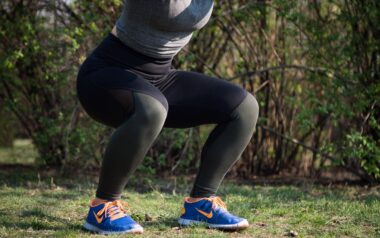
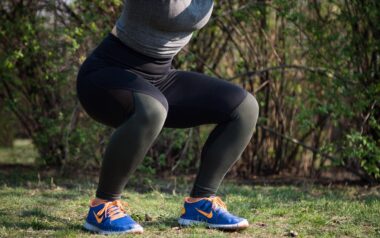
Technique plays a significant role in maximizing the benefits of plyometric training. Proper form not only reduces the risk of injury but also enhances the efficiency of workouts. Focus on maintaining correct body mechanics throughout every plyometric exercise to optimize forces generated by your muscular system. Key elements include keeping your core engaged, landing softly on your feet, and using arm drive effectively to aid your movement. When performing exercises like squat jumps or jump lunges, prioritize a stable landing position, ensuring that knees align with toes to maintain joint integrity. Furthermore, warm up adequately before intensive plyometric training sessions. A focused warm-up improves muscle elasticity and prepares your body for explosive movement training. Incorporate dynamic stretches and mobility drills specifically targeting lower-body muscles. Movements such as lunges, high knees, and leg swings help activate your muscles for greater output during performance. A structured cooldown routine post-workout aids muscle recovery, ensuring that you remain injury-free. A combination of proper technique, adequate warm-up, and cooldown periods bolsters overall efficacy in your plyometric training journey.
Exploring Plyometric Variations for Weight Loss
Exploring different variations of plyometric exercises can keep your workouts fresh while maximizing weight loss efforts. Ensure your routine includes variations that challenge various muscle groups and maintain overall body engagement. For example, lateral bounds, single-leg hops, and plyometric push-ups not only burn calories but also target unique muscle groups. These variations also help prevent workout monotony, which can lead to desensitization to your fitness program. Incorporate drills that combine agility and plyometric movements, effectively improving your quickness and coordination while boosting fat loss. For instance, integrate ladder drills with jump squats or box drills with burpees to elevate the intensity. Additionally, consider performing plyometric circuits, effectively transitioning from one exercise to another with minimal rest. This approach not only increases heart rate but also positively impacts endurance and fat-burning capabilities. Staying adaptable by changing exercises bi-weekly can also maintain motivation on your fitness journey. This diversity not only stimulates your muscles but also encourages overall growth and stamina, propelling you towards the achievement of your weight loss goals.
Tracking your progress is vital in building an effective plyometric training program. Monitoring results enables you to assess the efficacy of your workouts and identify areas needing enhancement. Maintaining a training journal can be instrumental; document workout details such as exercise type, reps, sets, and rest intervals. Beyond performance metrics, noting how you feel during each session aids in recognizing fatigue levels. Regular fitness assessments should incorporate both subjective experiences and objective measures like weight and body composition. Additionally, set specific, measurable goals to help track your progress. For instance, aim to increase the height of your jumps or the distance of your bounds every few weeks. This practice not only keeps you motivated but also ensures you push your limits consistently. Moreover, consider sharing your journey with workout partners or communities for extra support. Engaging with others aids accountability and injects a sense of competition, lifting your performance levels. Ultimately, structuring a system for consistently tracking your progress offers invaluable insights essential for growth and achieving your overall weight loss objectives.
Nutrition to Complement Plyometric Training
Complementing your plyometric training with proper nutrition is equally crucial for unlocking weight loss potential. Fueling your body with nutrient-dense foods supports optimal performance while promoting recovery. Prioritize a balanced diet comprising lean proteins, complex carbohydrates, healthy fats, and ample hydration. When training intensely, your body requires adequate protein to support muscle repair and growth. Incorporate foods such as chicken, fish, and legumes into your meals to achieve this. Moreover, consider consuming carbohydrates before workouts for energy, ensuring you can perform explosive movements effectively. Foods like oatmeal, quinoa, and sweet potatoes serve as excellent fuel sources. Post-training, replenish glycogen stores and support recovery by consuming proteins and carbs in a balanced meal. This could involve shakes, Greek yogurt, or whole food options, enabling muscles to rebuild after workouts. Furthermore, staying hydrated remains imperative; water plays a crucial role in maintaining energy levels and optimizing performance. Adjust your water intake based on exercise intensity and duration, ensuring adequate hydration throughout your fitness journey. Ultimately, integrating smart nutrition principles alongside effective plyometric training will yield the best results.
Lastly, consistency and a positive mindset are essential components of successful plyometric training for weight loss. Committing to a regular workout schedule will consistently yield results while establishing discipline and accountability. To cultivate motivation, aim to find enjoyment in your workout efforts. Setting achievable goals can help you stay focused and engaged, making the training process enjoyable and fulfilling. Embrace challenges and view weight loss plateaus as opportunities for growth. Remind yourself that progress may be non-linear and require time and dedication. Engaging with supportive peers or trainers can significantly enhance your experiences, offering encouragement and shared understanding. Join fitness groups or workshops where others pursue similar goals, allowing productive exchange of tips and techniques. Furthermore, practice mindfulness to enhance your mental resilience, which reinforces positive attitudes during your journey. Mindful practices can instill greater awareness of your body’s capability and limitations. Lastly, celebrate your victories, no matter how small, to reinforce motivation and recognize progress. Achieving weight loss through plyometric training is a rewarding journey that supports personal growth, leading to enduring results and improved health outcomes.