
Common Features in Top Health Monitoring Fitness Apps
In today’s fast-paced world, health monitoring fitness apps have surged in popularity, allowing users to track their fitness goals effectively. These apps come packed with various features aimed at helping users achieve their health objectives and improving overall wellness. A prominent feature is goal tracking, which enables users to set specific, measurable targets for weight loss, muscle gain, or general fitness improvement. Additionally, nutrition tracking integration plays a crucial role, allowing users to log meals and monitor their caloric intake while getting suggestions for balanced diets. Coupled with a vast database of foods, app users can make informed dietary choices. Another essential feature is real-time tracking of workouts, which provides users with immediate feedback on performance metrics such as heart rate, distance traveled, and calories burned. Many of these apps integrate community aspects, letting users share progress, join challenges, and engage with friends for support and motivation. Customizable notifications ensure users stay on track, reminding them to log workouts or monitor water intake. Overall, these features work together to create a comprehensive health monitoring experience for users. It leads to enhanced motivation and accountability throughout the fitness journey.
Another significant feature often found in top health monitoring fitness apps is detailed analytics. These analytics provide users with comprehensive insights into their performance over time. Users can assess progress through easily interpretable charts and graphs that illustrate trends in their activities. The data driven aspect not only helps in visualizing fitness achievements but also keeps users motivated. Integration with wearable devices enhances this experience by providing accurate real-time heart rate and step counts. Furthermore, these analytics aid users in recognizing patterns and areas needing improvement in their routines. Personalized workout recommendations based on past data facilitate the creation of a more efficient fitness program tailored to individual capabilities and goals. Significant emphasis is placed on user engagement. Gamification elements, such as badges and rewards for achieving specific milestones, drive motivation. Users can participate in friendly competitions and challenges that add an element of fun to their workouts. Offline access is another handy feature; it allows users to track their activities without needing an internet connection. By having seamless access to vital data, users can stay connected with their fitness journey regardless of their location, supporting overall commitment to their health.
Nutritional Guidance Tools
Nutritional guidance is a crucial aspect often included in health monitoring fitness apps, enabling users to create more balanced meals. Many apps feature a barcode scanner for easy logging of food intake by scanning grocery products. This streamlines the process of monitoring daily meals, enhancing user experience by saving time and effort. Users can access extensive databases containing nutritional information on various foods, ensuring that they make healthier choices. Beyond simple tracking, apps often provide personalized meal plans based on user preferences and dietary restrictions. Users might encounter features allowing them to set dietary goals tailored to specific needs, such as reducing sugar intake or increasing protein consumption. There’s often a recipe section containing healthy meal and snack ideas, which can help users stay on track without sacrificing variety. Collaboration with nutritionists or offering personalized advice can elevate the user experience significantly. Many of these applications also allow for progress sharing with friends or community members, fostering external accountability. Hence, keeping nutritional tracking fun and engaging. Overall, the inclusion of thorough nutritional guidance tools contributes to users adopting healthier habits and maintaining their fitness commitments over time.
Goal setting and progress tracking are some of the most fundamental features present in health monitoring fitness apps. Users can set realistic, attainable goals tailored to their personal health aspirations, whether it’s increasing daily step counts, losing weight, or enhancing endurance. Progress tracking often comes with visual aids like graphs, showcasing improvements over time, thus boosting motivation. These apps not only help in tracking fitness parameters but also in monitoring mental health through journaling features. Mental and emotional well-being often translates into physical health; therefore, addressing this aspect adds to the overall effectiveness of these applications. Custom reminders and push notifications further enhance goal tracking by nudging users towards maintaining consistency. Creating a structured routine is made easier, offering accountability by prompting individuals to complete their planned workouts or logging their meals. Integration with social media platforms can also encourage sharing achievements, generating support from friends and family. The overall synergy of these components creates a supportive environment. Thus, fostering a sense of community that encourages users to remain committed to their health goals while navigating the often-challenging fitness landscape.
Integration with Wearable Technology
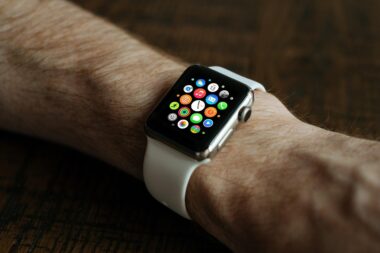
Integration with wearable technology is an essential feature of leading health monitoring fitness apps, allowing users to maximize their workout potential through accurate data collection. These wearables can range from smartwatches to fitness bands, continuously monitoring heart rate, calories burned, and various health metrics throughout the day. The seamless connectivity between wearables and apps leads to enhanced user experience, enabling real-time feedback during workouts. This instantaneous data collection informs users about their performance, helping them adapt their routines more effectively. For instance, users can adjust intensity levels based on heart rate feedback, optimizing their workouts. Furthermore, wearables often monitor sleep patterns and stress levels, providing comprehensive insights into overall health. Health statistics collected from wearables are then displayed within the app, giving users a holistic view of their fitness journey. Such data aggregation proves invaluable for analyzing long-term trends and consistency in activity levels. Multi-platform sync capabilities also ensure users can access their data across various devices effortlessly. This feature promotes a versatile user experience, enhancing users’ ability to maintain engagement and commitment to their health and fitness goals.
Community support features play an influential role in the success of health monitoring fitness apps by creating an engaging environment for users. Users can connect with peers facing similar fitness challenges, offering encouragement and motivation. Many apps feature forums or discussion groups where users can share workouts, diet tips, and personal stories. This enables a sense of belonging, promoting camaraderie among users. Social challenges and group goals help foster competitive but friendly environments, inspiring individuals to push their limits. In-app messaging functions allow friends to send encouraging notes or reminders, enhancing social interaction while working towards health goals. Team participation in competitions or challenges provides additional motivation; users may feel propelled to achieve more when competing against others. Personal success stories and testimonials further enhance this community aspect, allowing users to celebrate milestones together. Additionally, recognizing and rewarding user achievements through badges or trophies enhances engagement levels. Such community-driven focus creates local networks, increasing users’ accountability, ultimately leading to improved participation and achievement of fitness-oriented goals.
User-Friendly Interfaces
User-friendly interfaces are paramount in creating an enjoyable experience with fitness apps, ensuring that users can navigate features seamlessly. Apps that are visually appealing and straightforward often have a higher engagement rate among users. An intuitive design allows for easy access to various functionalities, making the app accessible to users of all ages, including the less tech-savvy. Clear navigation menus help users quickly find features such as goal setting, workout tracking, and dietary logging without frustration. Consistent design elements and clear typography significantly enhance the overall user experience as they facilitate effortless reading. Furthermore, incorporating tutorials and help sections within the app can aid users in understanding different features. Regular updates addressing user feedback ensure continuous improvement and satisfaction. Visual representations of data, such as colorful graphs, make it easy to understand progress without extensive explanations. Customization options to adjust the display can cater even more to user preferences. Easy integration with social media through recognizable icons enables quick sharing of fitness milestones and achievements. In summary, an effective user-friendly interface fosters greater commitment and increased usage, ultimately contributing to achievable health and fitness goals.
Lastly, the importance of data privacy cannot be overstated in the realm of health monitoring fitness apps, as users often share sensitive health information. Providing transparent privacy policies assures users that their data is secure. Implementing end-to-end encryption protects personal health metrics from unauthorized access while navigating potential security threats. Users should be able to customize privacy settings, allowing them to decide what data they share and with whom. By respecting user privacy, apps build trust, crucial for fostering long-term relationships with their clientele. Regular updates addressing security concerns ensure that the apps remain fortified against potential breaches. Additionally, offering a feature that allows users to delete their data from the app can boost confidence in the brand. Information regarding how data is used for future enhancements must be presented clearly, promoting transparency. Moreover, partnerships with healthcare professionals can also enhance credibility, ensuring that app practices align with necessary regulations. The blending of a solid privacy foundation with functionality encourages users to engage confidently. As people become increasingly health-conscious, reputable apps that prioritize data privacy will have an undeniable competitive advantage, solidifying their position in the fitness industry.