
How Playtime Enhances Children’s Balance Skills
Children’s balance development is a pivotal aspect of their physical growth. During playtime, kids engage in activities that foster various balance skills, which are essential for both physical and cognitive development. These activities help improve their coordination and stability. When children play, they naturally explore their abilities through dynamic movements, which include running, jumping, and climbing. Each of these activities requires a certain level of balance and coordination. Furthermore, unstructured play allows kids to experiment with their limitations, enabling them to build confidence in their balance abilities. Engaging in play with peers also introduces elements of competition and cooperation, further enhancing their balance skills through various interactive games. This social aspect is crucial, as it helps children learn to navigate physical spaces effectively. Moreover, it nurtures their instinctive understanding of spatial awareness. Playtime promotes a fun environment where balance skills can flourish without the pressure of formal training. Therefore, incorporating play into daily routines is essential for the healthy development of children’s balance skills, laying a foundation for their future physical activities. Regular engagement in such playful practices will yield lifelong benefits.
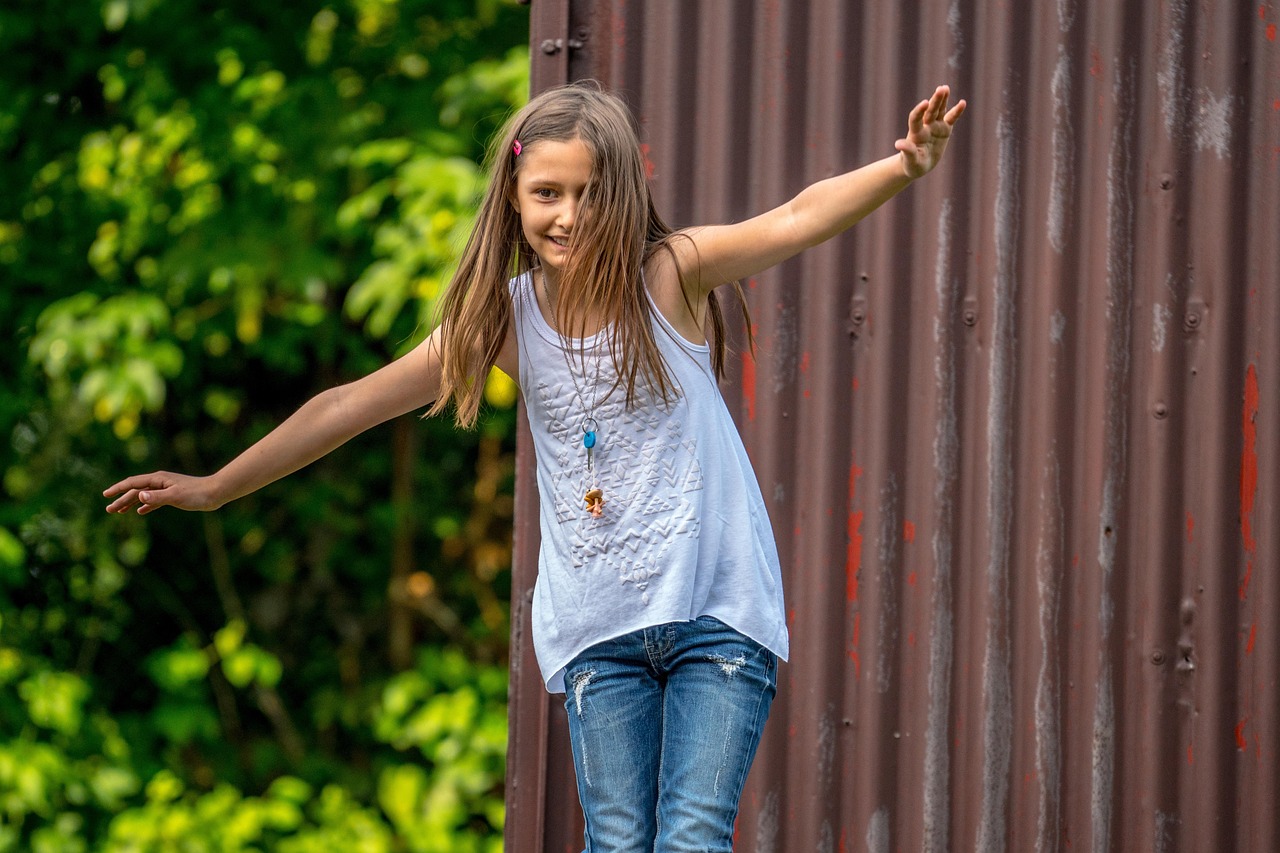
Balance activities during playtime can take various forms, ranging from simple exercises to more complex games. For instance, activities such as walking on a balance beam or playing hopscotch enhance core strength and coordination. These movements train children to control their bodies, helping them develop better equilibrium. Incorporating playful elements such as music or rhythmic clapping can make these activities even more engaging. Children are motivated to improve their balance when they are having fun. This fun aspect of play promotes a love for physical activity, which can lead to a more active lifestyle. Outdoor play is particularly beneficial, as it presents numerous opportunities for kids to challenge their balance abilities. For example, climbing trees or navigating uneven terrains can significantly advance their skills. Indoor play areas often include climbing structures and foam blocks, which also contribute to balance development. Besides physical challenges, emotional growth occurs through overcoming fears associated with balance-related activities. With each new challenge, children gain self-esteem and confidence in their abilities. Therefore, the integration of various playful balance activities is key to fostering excellent motor skills in children.
The Role of Social Play in Balance
Social play is another important aspect that enhances children’s balance skills. When children play together, they must navigate not only their space but also the presence of others. This interaction develops their ability to maintain their balance while adapting to moving targets. Games like tag or duck-duck-goose necessitate quick changes in direction and speed. These games challenge children’s balance as they learn to manage their body movements in relation to their peers. Additionally, children often mimic each other’s movements, allowing them to learn from one another’s techniques. Through this process, kids can discover different ways to maintain equilibrium while engaging in fun, group activities. Balance is not solely about physical capabilities; social interaction introduced during playtime creates a supportive environment. This supportive atmosphere encourages children to take risks with their movements, building resilience and confidence. As they challenge their limits while engaged in social play, they are more likely to push their balance skills further than they might do alone. Therefore, facilitating opportunities for social play should be a priority for parents and educators focused on children’s overall physical development.
Notably, the variety of play equipment available can significantly impact balance development in children. Swing sets, slides, and climbing frames provide excellent opportunities for exploration of balance. Each piece of equipment challenges children to learn how to stabilize themselves in different positions. For instance, playing on swings can enhance core stability as children shift their weight to maintain balance during motion. Climbing on various structures helps develop both upper and lower body strength, which is essential for proper balance. Items like balance boards or wobble cushions can further enhance kids’ proprioceptive awareness, vital for balance. When children actively engage with these tools, they become more attuned to their body’s movements. Moreover, setting up obstacle courses at home or in parks can serve as an excellent way to incorporate balance challenges into play. This playful setup encourages kids to navigate with precision and coordination. Supervised exploration of playgrounds also ensures safety while children practice newfound skills. Therefore, introducing engaging play equipment creates exciting pathways for children to grow their balance capabilities naturally and confidently. Turning ordinary spaces into playful ones means fostering healthier, more active lifestyles.
Integrating Balance Activities at Home
Parents and caregivers can easily integrate balance activities into regular playtime at home. Such activities can be simple and require minimal equipment, making them accessible for all families. Using items from around the house or outdoor spaces, parents can create fun challenges that promote balance. For example, walking along a line of tape on the floor can help children develop their balance skills in a safe environment. Additionally, playing games that require balance, such as standing on one leg while trying to throw a ball, fosters focus and stability. Creating a mini obstacle course with cushions and chairs challenges children to navigate while maintaining balance. Regular practice of these activities can yield significant improvements in their balance abilities. Parents should also encourage children to participate in dance or yoga, which naturally enhances balance through body awareness and control. These activities also help in building flexibility, which is beneficial for overall motor development. By making balance activities fun and engaging at home, children are more likely to enjoy their learning journey, leading to better long-term engagement with physical activity. These home practices reinforce what children learn during outdoor play and at school.
Incorporating balance strategies into daily routines can also be beneficial for children’s overall development. Simple actions like balancing while brushing their teeth or standing on one foot while getting dressed can help children practice their skills without formal challenges. Encouraging kids to ride bicycles or engage in outdoor sports develops both balance and coordination simultaneously. Parents should promote active play rather than sedentary entertainment. Limiting screen time and providing opportunities for active engagement encourages children to explore their physical capabilities. Team sports are also excellent for balance improvement; they often require quick actions and adjustments in body movements. Enroll children in structured physical activities that emphasize skill and balance, such as gymnastics or martial arts. These structured environments can provide guided improvement in balance skills. Moreover, praises and positive reinforcement can motivate children to push themselves further in balance-related tasks, nurturing a growth mindset. Thus, developing a home environment that prioritizes movement helps reinforce balance skills. Holistically, a focus on balance through daily activities creates well-rounded individuals who are more prepared for diverse physical challenges throughout life.
Conclusion: The Lifelong Benefits of Balance
In conclusion, nurturing balance skills in children through playtime has lifelong advantages. When children engage in playful activities, they develop essential motor skills that underpin many physical tasks. Enhancing their balance abilities boosts their confidence and agility. A strong foundation in balance leads to improved coordination and spatial awareness. Children who master balance skills are better equipped to participate in sports and other physical pursuits later in life. It also contributes to their safety and reduces the risk of falls and injuries. Moreover, the abilities learned during childhood can translate into physical activities enjoyed throughout adulthood, promoting a healthier lifestyle. Additionally, children who engage in plenty of active play tend to better manage stress and anxiety, fostering emotional wellbeing alongside their physical growth. Encouragement from parents, educators, and peers is vital in helping children develop these skills. Creating environments that nourish play ensures children can explore their limits while developing balance. Overall, balance development through playtime is an investment in children’s future health, confidence, and overall well-being, equipping them with skills that will last a lifetime.
To foster lifelong skills, it’s crucial to support children through every stage of their growth. Allowing them ample time to play, explore, and develop these fundamental capabilities is essential. Sports and physical activities provide excellent opportunities for children to practice balance while enjoying themselves. Each experience allows them to refine their skills and encourages them to embrace challenges with confidence. Above all, joy in physical activities must be prioritized to create a lifelong relationship with movement. Children’s balance development should be viewed as an integral part of their overall growth journey, fostering skills that last into adulthood. Parents and communities should strive to maintain a culture that actively supports play and physical movement. Resources such as parks, playgrounds, and sports programs should be accessible and inviting. Advocating for children’s outdoor playtime will allow them to take full advantage of their natural energy while developing essential balance skills. Thus, encouraging a playful, dynamic environment is key. Ultimately, the aim is to prepare children with the balance skills they need for a fulfilling, active lifestyle now and in the future. Regular playtime focused on balance will yield diverse benefits throughout their lives.