
How Spinal Biomechanics Can Help Prevent Sports Injuries
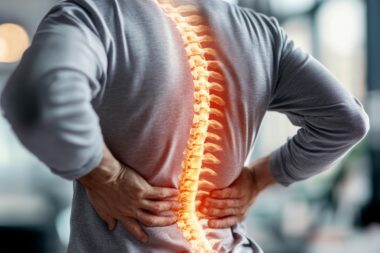
Understanding the significance of spinal biomechanics is crucial in preventing sports injuries. The spine is a complex structure that supports body posture and movement. Proper biomechanics ensure that the spine can withstand various physical stresses during athletic activities. When the spine is correctly aligned, it provides a stable base that enhances athletic performance. This alignment reduces the risk of injury by promoting efficient movement patterns. If athletes do not focus on spinal health, they may encounter injuries, including strains and sprains, which can sideline them for extended periods. Additionally, weak core muscles can exacerbate these issues. Athletes must engage in strength training and flexibility routines that target the muscles supporting the spine. Techniques like Pilates and yoga emphasize core strength and spinal alignment. Moreover, athletes should periodically work with specialists to assess spinal health. Regular check-ups and screenings can identify issues before they lead to injuries, ensuring athletes remain injury-free. In summary, maintaining proper spinal mechanics is vital in safeguarding athletes from the numerous potential injuries they may face during their sports training and competitions.
One effective way to promote spinal health among athletes is through education. Athletes should be educated about the importance of body mechanics. Knowledge about proper lifting techniques, posture during training, and correct movement patterns can drastically affect spinal health. Workshops and seminars with professionals in sports medicine can provide insights into spinal anatomy and function. By understanding how the spine operates during various movements, athletes can make informed decisions about their training regimens. Additionally, correct breathing techniques significantly impact spinal biomechanics. Proper breathing allows for optimal diaphragm movement, which stabilizes the core and supports the spine. Athletes can integrate breath awareness into their routines, ensuring consistent practice. Moreover, they must listen to their bodies and recognize signs of discomfort or pain. When athletes ignore pain, they risk exacerbating a minor issue into a significant injury. Therefore, pain management strategies should be a part of any training program. Practicing good ergonomic principles during training and recovery can help in mitigating spinal-related injuries. Consequently, taking the time to educate and engage with athletes allows them to appreciate the importance of spinal mechanics.
Role of Strength Training
Strength training plays a pivotal role in maintaining spinal health, particularly for athletes. A well-designed strength program focuses not just on major muscle groups but also on the smaller stabilizing muscles surrounding the spine. Engaging these muscles helps improve overall stability and reduces the risk of injury during sports activities. Core muscles, including the abdominals, obliques, and lower back, provide essential support for the spine, thus enabling athletes to exert force effectively. Incorporating exercises targeting these areas can significantly enhance performance and reduce injury risk. Weightlifting, resistance bands, and body-weight exercises train different muscle groups effectively while promoting spinal alignment. Variations like planks, deadlifts, and rotational exercises are beneficial. Athletes should also emphasize balanced training. Overtraining one area may lead to imbalances that affect spinal mechanics, resulting in injuries. Additionally, flexibility exercises complement strength training by promoting a full range of motion. Flexible muscles can better handle the stresses of athletic activities while protecting the spine. To summarize, strength training tailored to improve spinal health is essential for enhancing overall athletic performance while minimizing injury risk.
Athletes must also be aware of the impact of nutrition on spinal health and injury prevention. Proper nutrition is key to muscle recovery and overall physical health, including the spine. A diet rich in calcium, magnesium, and vitamin D supports bone health while reducing the risk of fractures and injuries. Additionally, dietary sources rich in omega-3 fatty acids, such as fish and walnuts, promote anti-inflammatory responses. Reducing inflammation is crucial in maintaining healthy muscles and joints, thus safeguarding the spine. Staying hydrated is equally essential; proper hydration keeps spinal discs hydrated, allowing for better shock absorption. Athletes should be proactive in their nutritional choices, seeking guidance from sports nutritionists for personalized plans. Avoiding processed foods can help reduce inflammation, thus supporting better spinal biomechanical function. Supplements, such as glucosamine and chondroitin, may also be beneficial in promoting joint health. Regularly consuming nutrient-dense foods aids muscle recovery and supports sustained performance. Overall, attention to nutrition is vital in preventing sports injuries, particularly regarding spinal health, ensuring athletes remain at their best.
Injury Prevention Strategies
Sports injuries related to spinal issues can be minimized through a variety of preventative strategies. Establishing a proper warm-up routine before engaging in sports activities is essential. Warm-ups increase blood flow to muscles and enhance flexibility, warming up the spine to prevent injuries. Dynamic stretching exercises can prepare the spine for physical stress. Athletes should also incorporate cooldown sessions, as cooling down reduces muscle tension and aids recovery. During practice, refining technique through drills is critical for promoting good biomechanics and preventing injuries. Coaches should frequently evaluate athletes’ forms and provide feedback. Monitoring equipment and ensuring it fits properly is also vital in protecting spinal health. Using equipment that aligns with one’s body type can alleviate stress and strain on the spine. Furthermore, ensuring a proper training environment free from hazards contributes to injury prevention. Athletes should take rest days to allow bodies to recover, particularly when intense training schedules lead to fatigue. Adequate rest prevents overuse injuries, including those related to spinal mechanics. In conclusion, adopting a comprehensive approach to injury prevention can greatly enhance spinal health for athletes.
Correct rehabilitation after an injury is another critical element in spinal biomechanics and sports injury prevention. After experiencing a spinal injury, athletes often overlook the importance of a structured rehabilitation program. Engaging in rehabilitation ensures that muscles surrounding the spine regain strength and flexibility. Physical therapists can design appropriate rehabilitation plans tailored to individual needs, focusing on improving core stability and spinal alignment. Moreover, athletes should maintain open communication with their physiotherapists and coaches regarding their progress. Adhering to medical advice and guidelines allows them to reintegrate into their sports safely. Gradually returning to sporting activities prevents re-injury and promotes long-term success. Educational sessions can empower athletes to understand their body mechanics better, motivating them to follow through with rehabilitation plans. Additionally, employing modalities such as massage therapy and acupuncture can facilitate recovery and promote overall well-being. Emphasis on mental health during rehabilitation is also essential. Addressing the psychological aspects of recovering from injury aids in rebuilding confidence and reduces anxiety. Ultimately, a thorough rehabilitation process that focuses on the spine’s biomechanics can enhance an athlete’s safety and performance in the long run.
Conclusion
In summary, understanding spinal biomechanics is vital in preventing sports injuries. Athletes can greatly benefit from education, strength training, proper nutrition, and injury prevention strategies. Implementing these components into their training programs significantly enhances spinal health. Furthermore, recognizing the importance of rehabilitation ensures that athletes can recover fully from injuries. The spine’s role in athletic performance cannot be overstated, as it serves as the foundation for movement and stability. By prioritizing spinal health, athletes improve their chances of performing at a higher level while minimizing injury risks. Coaches and sports professionals must integrate spinal biomechanics into training regimens and educate athletes on its importance. Encouraging a culture of safety and awareness regarding spinal health can elevate the quality of sports training. Athletes should regularly monitor their spinal health through assessments and consult professionals if they experience discomfort. By fostering a holistic approach that includes strength, flexibility, nutrition, and recovery, athletes can establish a solid foundation for longevity in sports. Ultimately, a commitment to spinal biomechanics empowers athletes to achieve their goals while maintaining robust health.
This article highlights the vital connection between spinal biomechanics and injury prevention for athletes. An understanding of spinal mechanics can empower athletes to take active measures in avoiding injuries. The incorporation of spinal awareness into training regimens allows athletes to optimize their performance while safeguarding their physical health. Through knowledge of body mechanics, athletes can establish proper movement patterns, reducing potential risks during activity. Furthermore, adding conditioning exercises that emphasize flexibility and strength surrounding the spine ensures that athletes maintain proper posture. Correct postural alignment significantly reduces wear and tear on spinal structures. Thus, creating an optimal training environment that encourages safe practices is essential. Coaches and trainers play an influential role in educating athletes about spinal health and injury prevention strategies. By prioritizing injury prevention alongside performance enhancement, athletes can achieve long-lasting success. Continued research into spinal biomechanics will provide evolving insights into best practices for various sports. Integrating new findings into athlete training can continuously improve performance while minimizing injury risks. Overall, focusing on spinal biomechanics is not just about preventing injuries; it’s about ensuring an athlete’s holistic well-being and longevity in their sport.