
Latest Research Findings Shared at Biomechanics Gatherings
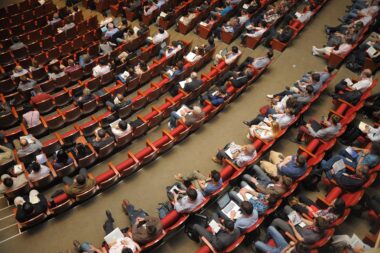
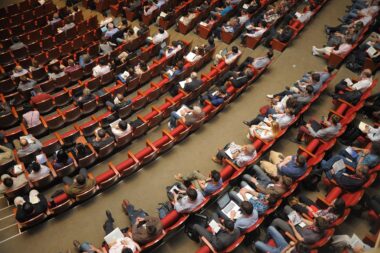
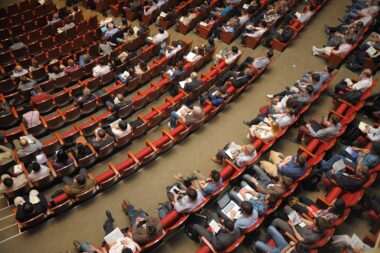
Biomechanics gatherings, such as conferences and workshops, serve as a platform for researchers to present innovative findings. These events attract professionals across the globe, offering a rich environment for collaboration. Researchers from various backgrounds exchange ideas, data, and methodologies that impact performance, rehabilitation, and injury prevention. For instance, breakthrough studies reveal how biomechanics can enhance athlete performance significantly. Keynote speeches and panel discussions often highlight significant advancements in technology, emphasizing how innovative tools, including wearable sensors and motion capture systems, are transforming the field. Participants also engage in hands-on workshops, enhancing their practical skills in biomechanics applications. Notable conferences often feature poster sessions, where budding researchers present their findings in condensed formats, attracting interest from seasoned experts. Collaborations formed at these events frequently lead to impactful multi-disciplinary research. Furthermore, the global nature of these gatherings facilitates the integration of diverse perspectives that can lead to comprehensive biomechanical insights. As a result, the essence of biomechanics is represented not only by scientific advancements but also through the networking and community building these conferences foster. Keeping abreast of recent biomechanical research is crucial for those looking to push boundaries in health and sports science.
Significance of Networking at Biomechanics Conferences
Networking in biomechanics conferences is vital for professional growth and innovation. Attendees have valuable opportunities to meet leading experts, which may foster future collaborations. Establishing these connections enables researchers to share resources and knowledge, enhancing the overall development of biomechanics as a discipline. Social events and informal gatherings further promote engagement beyond academic dialogue. By building relationships in a less formal environment, participants can discuss ideas more openly. Networking also boosts the visibility of emerging researchers, providing them a platform to showcase their work to established professionals. Many attendees leave conferences with potential partnerships spanning various fields, from sports technology to physical therapy. Furthermore, discussions occurring during networking sessions often lead to insightful exchanges of thoughts regarding new research findings. For example, athletes’ biomechanics can be improved through insights shared during these events, benefiting performance and injury management practices. With time, these relationships cultivated at conferences can evolve into long-term mentorships or collaborations resulting in impactful work. Thus, the significance of networking should not be underestimated, as it propels the field of biomechanics toward new horizons filled with innovative research.
Emerging research themes presented at biomechanics conferences often reflect current challenges in sports science and rehabilitation. Innovations in motion analysis techniques, such as advanced motion capture systems, showcase how technology evolves continually. Researchers highlight the role of biomechanics in understanding complex movements and the relationship between physical activity and injury prevention. One striking trend is the emphasis on personalized approaches in biomechanics, which take into account individual variability in structures and functions. Many studies underlined the significance of tailored interventions based on motion analysis data, enhancing athletes’ performance. Moreover, discussions regarding biomechanics in clinical settings showcased how this knowledge translates into effective rehabilitation strategies for injured patients. Presentations also focused on optimizing athletic performance through biomechanically sound training protocols. The integration of biomechanics into team sports is another emerging area, as teams seek to improve player performance. Additionally, attention is turning towards biomechanics in aging populations, addressing mobility issues faced by older adults. These themes presented at conferences not only heighten awareness of advancements but also guide future research endeavors, nurturing a more profound understanding of biomechanics in various contexts.
Case Studies Presented by Leading Researchers
At biomechanics conferences, case studies presented by leading researchers often reveal significant trends and advancements in the field. Unique examples showcasing the application of biomechanics in sports offer inspiration and insight into real-world applications. For instance, a study on sprinting biomechanics explained how small adjustments in form could lead to significant performance improvements. Another case study analyzed the impact of footwear design on running efficiency, showcasing the relationship between biomechanics and injury prevention. These case studies captivate audiences, drawing attention to the practical implications of biomechanics research. Additionally, the researchers’ presentation methods, often utilizing engaging visuals and demonstrations, enhance the retention of complex information. Participants can visualize how biomechanics principles apply directly in various sports, from soccer to gymnastics. Moreover, the diversity of case studies inspires broader applications in clinical settings, encouraging health professionals to consider biomechanics in patient evaluation and rehabilitation strategies. As case studies reflect the real-world challenges experienced by athletes and practitioners, they provide essential context to the theoretical discussions prevalent in the conference setting. Observing the successful application of biomechanics concepts resonates deeply with attendees and motivates further exploration of this fascinating field.
The role of technology in enhancing biomechanics research was a predominant theme at recent conferences. Participants discussed the integration of innovative technologies into research methodologies, reflecting a shift toward more precise data collection. For example, wearables equipped with advanced sensors have transformed how biomechanical studies are conducted. These devices provide real-time data on athletes’ performance, revealing insights that were previously unattainable. Researchers presented findings demonstrating the advantages of using such technologies for injury prevention and rehabilitation. The ability to monitor biomechanics in real-time allows for immediate feedback, enabling coaches and athletes to make prompt adjustments. Furthermore, advancements in computational modeling have enabled the simulations of complex movements, offering a deeper understanding of athletic performance. Presentations highlighted how these models can be validated through experimental data collected in various sports contexts. The conversation surrounding technology often emphasized the collaboration between biomechanics researchers and engineers, illustrating a multi-disciplinary approach. Understanding how artificial intelligence can contribute to biomechanics research is an exciting frontier explored in many presentations. This intersection of technology and biomechanics opens doors to new insights, ultimately enhancing the quality and precision of research conducted.
Future Directions in Biomechanics Research
The future directions of biomechanics research were a focal point of discussion at the recent conferences. Experts emphasized the importance of addressing gaps in the current understanding of biomechanics as they relate to injury prevention and athletic performance. Topics surrounding the long-term effects of repetitive movements and the aging process in athletes were particularly highlighted. Researchers advocated for more extensive longitudinal studies to understand better how biomechanics influence health outcomes over time. In addition, incorporating interdisciplinary approaches is necessary to advance biomechanics research. Collaboration with other scientific fields, such as psychology and nutrition, can provide a holistic understanding of performance and rehabilitation outcomes. Presentations also discussed the potential for biomechanics to contribute to optimizing performance enhance health spans. As an evolving field, biomechanics stands to benefit from exploring new methodologies and technologies that can deepen knowledge around human movement. Furthermore, promoting educational opportunities for upcoming biomechanics students and professionals can ensure the continued growth of this field. By fostering a culture of research and innovation, biomechanics organizations will help shape the future landscape of sports science, rehabilitation, and injury prevention.
In conclusion, biomechanics conferences provide a unique environment where research findings are shared and critical discussions take place. The collaborative spirit cultivated at these events fosters advancements within the field, paving the way for innovative solutions to pressing challenges. Valuable insights into emerging trends, case studies, and future research directions inform attendees of the cutting-edge developments in biomechanics. As researchers network and share their work, they contribute enhancing the profession’s collective knowledge. The role of technology and interdisciplinary collaboration is increasingly recognized, emphasizing the growing complexity of the biomechanics landscape. Moreover, the discussions around personalized approaches and preventative strategies signify a major shift in practice, highlighting the importance of translating research into applicable outcomes. Ultimately, these conferences play a crucial role in shaping the future of biomechanics, ensuring that both researchers and practitioners are well-equipped to tackle challenges in health and performance. By attending such gatherings, stakeholders in the field can better prepare for ongoing advancements that will likely emerge and further transform the understanding of human movement. Engaging with the latest biomechanical research leads to enhanced performance outcomes and adds value to various sectors including sports and healthcare.