
Postural Balance Considerations in Pregnancy and Postpartum Fitness
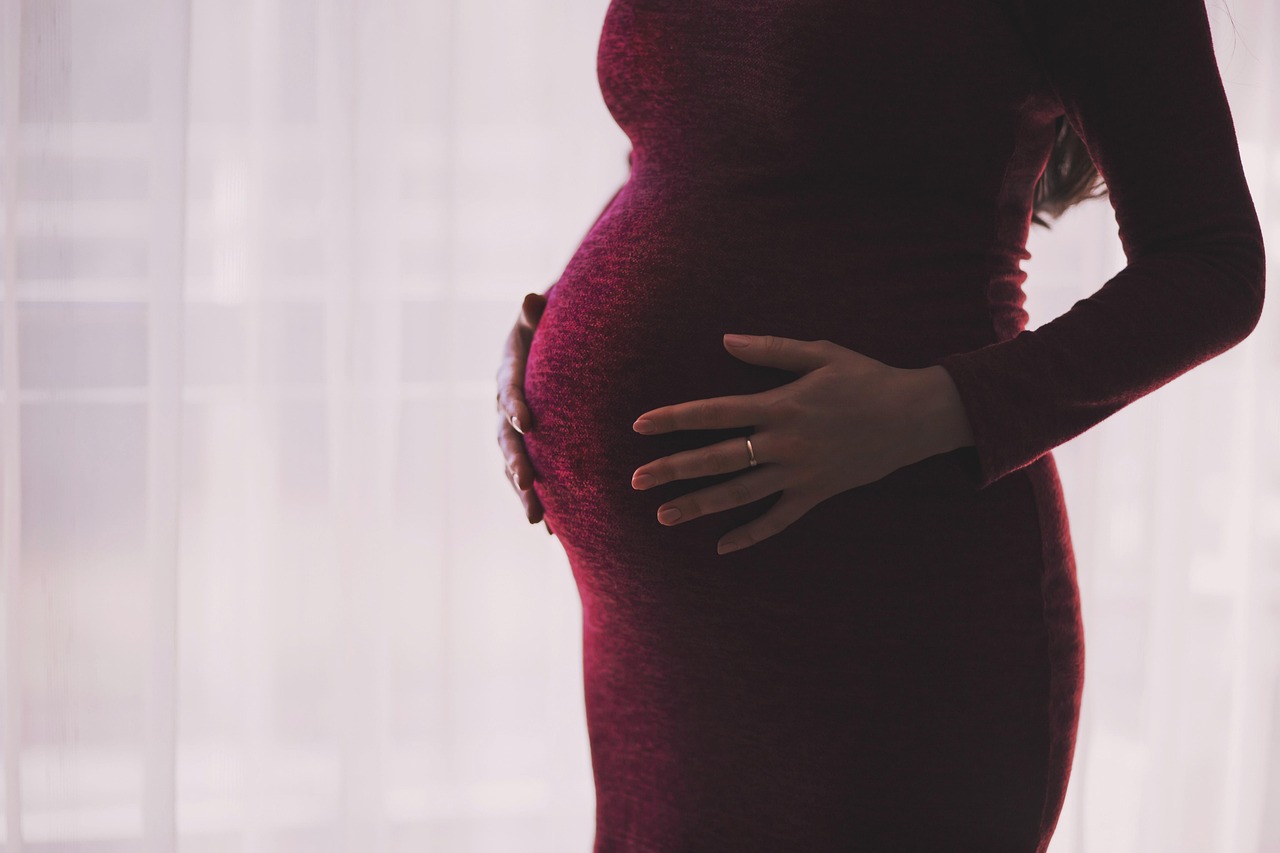
Pregnancy is a transformative period marked by significant anatomical, physiological, and emotional changes. These transformations influence a woman’s balance and postural control. During pregnancy, the center of gravity shifts forward as the abdomen grows, altering balance perception. Many women may experience increased body sway, as their body adapts to the extra weight. This can lead to instability and a higher risk of falls. Additionally, as ligaments and joints become more relaxed due to hormonal changes, maintaining stability becomes crucial. Postural adjustments throughout pregnancy can lead to discomfort and, if not properly managed, increase the risk of injury. Therefore, being aware of body mechanics and working on strength and balance can help mitigate these effects. It is essential for pregnant women to engage in exercises that enhance stability, such as yoga and Pilates. Furthermore, having support from healthcare professionals during this time is critical to ensure the well-being of both mother and baby. Understanding personal limits and adapting activities to the body’s evolving needs will promote safer movement during this stage.
The postpartum period presents a unique set of challenges related to balance and coordination after childbirth. Following delivery, women often face changes in their strength and muscle tone due to the physical demands of labor and recovery. These changes can compromise core strength, directly affecting postural control. As the body heals, it becomes essential to focus on exercises that strengthen the pelvic floor, core muscles, and back. Incorporating activities that enhance flexibility and strengthen the deeper stabilizing muscles is vital. Additionally, new mothers frequently deal with fatigue, which can further impair balance and coordination. Balancing parenting duties, self-care, and social responsibilities often leads to physical and mental exhaustion. It is crucial for postpartum women to prioritize rest and recovery, which will aid in restoring energy levels. Lastly, introducing light physical activities gradually can help ease the transition back to fitness. Women should consider consulting trainers experienced in postpartum fitness to ensure safe and effective exercise routines. By emphasizing safe practices during this period, women can enhance their balance, regain confidence, and enjoy physical activity while caring for their newborns.
Working on Balance: Finding Your Center
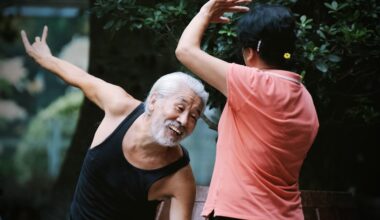
Finding one’s center in both pregnancy and postpartum fitness is vital for overall well-being. Centering oneself physically involves becoming aware of body alignment and stability during movement. Techniques such as tai chi or specific yoga practices can be beneficial. These activities focus not only on physical strength but also on mental presence and relaxation. Women can participate in classes that specifically cater to pregnant and postpartum individuals to ensure safety and appropriateness. In addition to yoga and tai chi, engaging in balance-focused training can improve proprioception, enabling women to better connect with their body’s movement dynamics. Utilize household spaces for practice, such as standing on one leg while washing dishes or practicing gentle squats while getting up from a chair. By integrating simple balance exercises into daily routines, women can foster strength and coordination. Working with a trained professional to assess movement capabilities can also guide personal exercise choices. Finding one’s center is about both mental and emotional balance, paving the way for a healthier self-image and encouraging proactive elements of self-care during motherhood.
Nutrition also plays an essential role in maintaining balance during both pregnancy and postpartum recovery. A balanced diet rich in nutrients supports muscle function and overall health. Foods high in calcium, magnesium, and Vitamin D are vital for maintaining bone and muscle health. Hydration can also influence physical performance; hence, it is essential for postpartum women to stay well-hydrated, especially if breastfeeding. Considering that a balanced diet can significantly affect energy levels, women should prioritize incorporating whole foods into their meals. This includes fresh fruits and vegetables, lean proteins, and healthy fats. Nutritional knowledge can empower women to make informed decisions regarding what fuels their bodies, enhancing their ability to engage in fitness effectively. In addition to solid nutrition choices, understanding portion control and addressing cravings help manage weight during the transition. Engaging family members in meal preparation may help establish supportive eating habits while fostering family wellness. Lastly, consulting with a nutritionist can provide tailored guidance on specific dietary needs in alignment with personal fitness goals during pregnancy and postpartum phases.
The Role of Mindfulness in Balance Training
Mindfulness practices can enhance physical balance and emotional stability during pregnancy and postpartum. Focusing on breath and being present during movement cultivates a better awareness of the body. Mindful practices reduce stress, which can disrupt concentration and hinder physical performance. Techniques such as meditation and mindful breathwork can benefit mothers during challenging moments, helping them manage anxiety and build resilience. Prioritizing mindfulness during workouts encourages women to listen to their bodies and adjust exercises as needed, promoting safer practices. Additionally, maintaining a positive mindset fosters confidence. Incorporating mindfulness into daily activities like feeding or playing with a baby can further deepen connections to personal well-being and the child. Exploring group mindfulness practices or workshops can foster community bonds among mothers, providing both social support and shared experiences. Engaging in mindfulness while practicing balance exercises can also lead to improved neuromuscular control. Simple mindful check-ins during daily routines, like examining posture while feeding, can help maintain a centered physical state. All of these aspects emphasize the importance of combining physical practice with mental awareness to promote well-rounded health outcomes during this transformative time.
Support systems are critical for maintaining balance and stability during both pregnancy and postnatal recovery. Creating connections with family, friends, or local community groups can foster emotional and physical support throughout motherhood. Participating in classes tailored to pregnant and postpartum individuals enables networking and shared experiences. This can normalize the challenges faced and alleviate feelings of isolation. Moreover, having a partner or friend accompany workouts can provide motivation and accountability, enhancing adherence to fitness routines. Organizations offering prenatal and postnatal support can also provide necessary resources, including educational materials and group activities tailored to unique needs. Collaborating with healthcare providers and specialists to create a personalized fitness plan promotes safety during exercise. Open communication about concerns regarding physical activities can help modify workouts based on individual capabilities. Lastly, encouraging family involvement in fitness pursuits, such as family walks or outdoor activities, can create opportunities for bonding and establishing healthy habits. Caregivers should prioritize the importance of self-care practices, as this ultimately benefits both mother and child by promoting a nurturing environment that values physical and mental health.
Conclusion: Embracing Balance for Health
Emphasizing balance and coordination during pregnancy and postpartum periods leads to a healthier transition into motherhood. The focus on restoring postural control not only helps in reducing fall risks but also enhances overall physical fitness. Integrating exercise routines that enhance core stability, balance, and coordination while incorporating proper nutrition and mindfulness can create a holistic approach to health. As women navigate emotional and physical changes, prioritizing self-awareness and balance allows for easier management of the challenges they face. Encouraging flexibility in routine and celebrating small victories can help women build confidence in their physical abilities. By ensuring they have adequate support systems and resources, new mothers can embark on their fitness journey with positivity. Remember that every individual’s experience is unique; thus, adapting plans to fit personal comfort and capabilities is paramount. The journey of regaining strength and balance should be viewed as a process, not a race. Through the integration of compassion, support, and practical strategies, women can flourish through their pregnancy and postpartum fitness journeys, embracing the well-being and vitality that comes with nurturing themselves and their children.
In conjunction, establishing a routine that nurtures both physical activity and relaxation can drastically benefit emotional well-being. Workshops, community classes, and online resources are available to support mothers in their wellness endeavors. With the right guidance and community backing, women can reclaim their bodies, enhance their emotional resilience, and foster a balanced lifestyle that complements the joys and challenges of motherhood. Encouraging body awareness and acceptance during this transformational period is paramount, as this can empower women to embrace changes positively. Finally, celebrating progress—no matter how small—can inspire continued commitment to personal health and wellness goals. Awareness of balance in both a physical and emotional sense leads to improved life quality and fulfillment.