
The Connection Between the Brain and Body Coordination
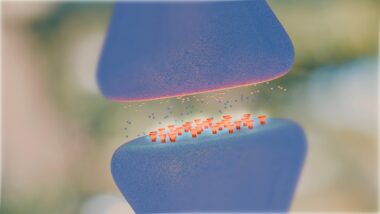
The intricate relationship between the brain and body is a fascinating area of study, especially within the realm of coordination. Coordination involves multiple systems working together, including visual, vestibular, and proprioceptive systems. The brain plays a central role in processing information from these systems to facilitate smooth and efficient movements. Neurotransmitters, especially dopamine, contribute to motor control by enabling the brain to communicate effectively with muscles. Researchers have found that regions such as the cerebellum and basal ganglia are vital for maintaining balance and coordination during physical activities. Without proper communication between the brain and body, individuals may struggle with tasks requiring coordination, like walking or catching a ball. Neuroscientific studies have indicated that practicing coordination exercises can enhance brain function, leading to improved synaptic connections. Participants often report increased body awareness and muscle control after training. Hence, understanding the brain’s involvement in coordination can lead to better training techniques and rehabilitation strategies for individuals recovering from injuries, thus underscoring the importance of neurological health in overall physical ability.
Neurological Basis of Coordination highlights the mechanisms behind movement control and balance. The brain utilizes complex neural pathways to process sensory input and execute motor functions. A significant part of this involves the cerebellum, which coordinates movements by receiving inputs from various sensory modalities. The cerebellum ensures that the body can maintain posture and balance while also executing smooth and accurate movements. The basal ganglia also play an essential role, particularly in planning movements and executing them smoothly, linking motivation with motor control. Research suggests that synaptic plasticity in these brain regions is crucial for learning new motor skills. Coordination activities enhance neuroplasticity, allowing the brain to adapt and improve motor functions over time. Through this process, individuals can refine their ability to perform complex tasks such as sports activities and dance. Current studies indicate that engaging in regular coordination exercises can mitigate age-related declines in motor function, emphasizing the importance of maintaining active lifestyles. Understanding neurological underpinnings is essential for professionals designing rehabilitation programs, ensuring they address the specific needs of individuals to maximize recovery and improve overall functional capabilities.
In addition to physical benefits, cognitive aspects also accompany improved coordination. Enhanced coordination is often linked to increased cognitive function, as activities requiring balance and movement engage the brain extensively. The connections between physical activity and mental health are evidenced by studies showing that regular coordination exercises can improve attention, problem-solving skills, and even memory retention. This relationship is particularly vital for the elderly, as engagement in coordination activities can assist in preventing cognitive decline. Researchers are continuously investigating how coordination tasks impact brain processes, hoping to uncover universal principles applicable to various populations. These findings could lead to innovative strategies for maintaining cognitive health in aging societies. Tools such as virtual reality could gain traction for improving coordination and cognitive functions simultaneously. For enhancing both motor skills and brain health, it’s essential to integrate physical activities that challenge coordination into daily routines. The versatility of coordination training can apply to numerous fields, including sports, rehabilitation, and daily life activities, making it an essential component of health and well-being. As we continue to unravel these connections, the possibilities for improving life quality through better coordination seem promising.
Types of Coordination Exercises
Coordination exercises encompass a variety of activities designed to enhance the connection between the brain and body. These exercises can be broadly categorized into dynamic movements, static balance activities, and sensory integration tasks. Dynamic movements include actions such as running or jumping, which require the body to adjust continuously, enhancing agility and reflexes. Static balance activities such as yoga and tai chi foster stability by challenging bodily equilibrium. Specific tasks like standing on one leg or practicing a tree pose can significantly improve proprioceptive feedback, critical for maintaining balance. Sensory integration tasks, like catching a ball while blindfolded, engage multiple senses, forcing the brain to process information rapidly for effective communication with the body. Additionally, coordination training can be tailored to individual needs and fitness levels, allowing for a personalized approach to improvement. This adaptability makes coordination exercises highly effective for various populations, including athletes, rehabilitation patients, and the elderly seeking to maintain mobility. Emphasizing the diversity in coordination training can lead to a broader understanding of its impacts on both cognitive and physical health.
Incorporating technology into coordination training also proves beneficial. Innovations like wearable devices can track progress and provide feedback, enhancing motivation in individuals during their training sessions. Video games designed for balance and coordination can create engaging environments for various age groups, especially children, while incorporating physical movement into gameplay. Applications that utilize augmented reality are becoming increasingly popular, providing users with immersive experiences that promote coordination. Such technologies can merge entertainment with health benefits, making physical activities more appealing and enjoyable. Moreover, research has shown that technologically-assisted training can enhance neuroplasticity more effectively than traditional exercises alone, optimizing rehabilitation processes. As technology continues to evolve, utilizing these tools holds great promise for developing specialized training programs that cater to diverse populations. With a focus on coordination, these innovations can significantly influence rehabilitation protocols, promoting quicker recovery from injuries and better overall health outcomes. Embracing such advancements could revolutionize approaches to coordination training, effectively bridging the gap between traditional methods and modern, tech-based solutions.
Challenges to Coordination Training
Challenges related to coordination training often stem from a variety of sources, including individual differences in ability, neurological conditions, and environmental factors. Individuals with certain neurological disorders may struggle with coordination due to disrupted communication pathways within the brain. Conditions such as Parkinson’s disease, stroke, or multiple sclerosis can significantly affect one’s ability to perform coordinated tasks. It’s vital to create tailored coordination programs that address these discrepancies and allow individuals to work progressively toward their goals. In addition, psychological barriers may also impede progress, as fear of falling or injury can discourage participation in coordination activities. Overcoming these challenges requires a supportive environment and strategies that empower individuals to feel more confident. Additionally, environmental factors such as surface stability and space can greatly impact one’s ability to perform coordination exercises effectively. Ensuring that rehabilitation settings or training environments are appropriately adaptive and safe can facilitate smoother progress. As professionals in the field continue to refine techniques, paying attention to these challenges can lead to more effective coordination programs suited to individual needs, ultimately enhancing the quality of life for many.
Moving forward, the integration of coordination training into everyday life will be vital in promoting overall health and wellness. Encouraging individuals, regardless of age or fitness level, to engage in activities that enhance coordination can yield significant benefits for physical and cognitive health. Schools can play a crucial role by incorporating coordination exercises into physical education curriculums, fostering early development of these essential skills. Community programs can also promote coordination training aimed at various demographics to ensure inclusivity. In addition, workplace wellness initiatives might focus on encouraging employees to participate in coordination-enhancing activities during breaks to reduce the risk of injury. Furthermore, fostering partnerships among healthcare providers, educators, and fitness professionals is crucial in spreading awareness about the importance of coordination training in public health. Implementing comprehensive strategies can help cultivate an environment where coordination is prioritized. Overall, as we continue to recognize the importance of the brain-body connection in coordination, we prepare ourselves to promote better health outcomes. This emphasis signifies a progressive approach towards improving joint functionality and overall quality of life for all individuals involved.