
The Development of Swimming Pools: From Natural Bodies to Modern Facilities
Swimming has a rich history, originating from natural bodies of water such as rivers and lakes. Ancient civilizations, including the Greeks, Romans, and Egyptians, utilized these natural resources for recreation and cleansings, cementing swimming’s importance in daily life. The Roman aqueducts were designed to supply water to baths and pools, a technological advancement of their time. These structures not only served practical purposes but also promoted social interaction. Swimming was seen as a form of therapy and was often depicted in art and literature. Throughout history, the development of swimming pools reflects shifts in cultural attitudes towards health and leisure activities. The use of pools expanded significantly during the 19th century, particularly in Europe and America. Class distinctions became evident as wealthier families erected elaborate structures for private use, while public baths began catering to the masses. As societies progressed, the rise of competitive swimming further transformed the landscape of aquatic facilities, solidifying swimming as a vital sport. The evolution of pool design has been influenced by advancements in materials and engineering, leading to a variety of shapes and sizes that cater to different needs of the community.
In the early 20th century, swimming pools became symbols of luxury and leisure, reaching their peak popularity. The innovation and accessibility of materials allowed for more extravagant and unique pool designs, often becoming the focal point of resorts and private estates. Much of this trend was driven by the post-World War II economic boom, resulting in increased disposable income and a greater emphasis on leisure activities. The swimming pool also served as a status symbol, showcasing wealth and style during the mid-20th century. Additionally, the suburban expansion led to a rise in residential swimming pools, becoming commonplace in backyards across America. As pool culture developed, regulations and safety standards emerged to ensure public health and safety. The introduction of pool filtration systems and chemical treatments revolutionized water quality management. Consequently, public pools became safer, encouraging more individuals to engage in swimming. This led to a greater emphasis on swim education and competitive training programs. Organizations promoting swimming gained traction, fostering talent for Olympic participation. The advancements in technology coupled with creative architectural designs resulted in the contemporary swimming facility seen today, whose purpose transcends mere recreation into fitness and community engagement.
Modern Swimming Facilities
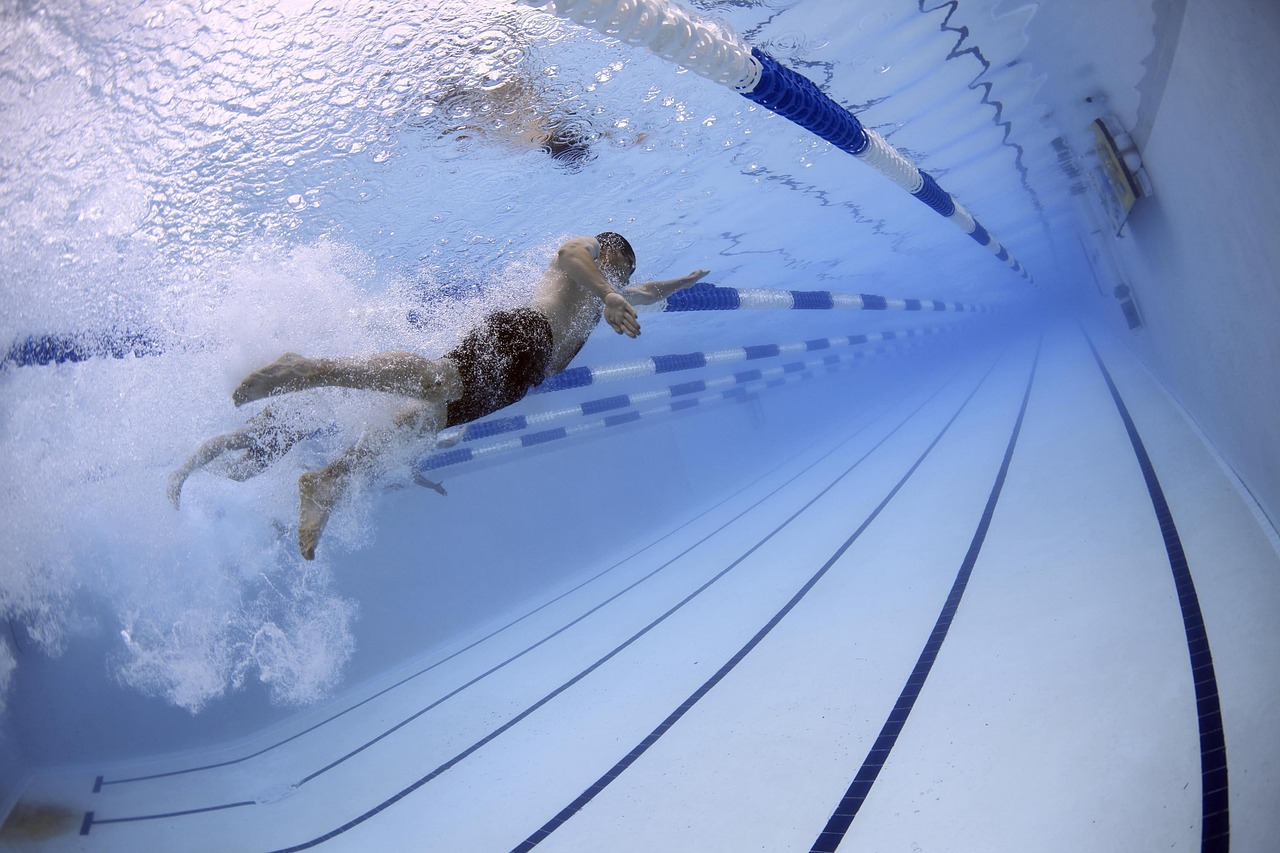
Today’s swimming facilities vary immensely, accommodating a wide range of preferences from casual swimmers to elite athletes. Modern pools are often equipped with specialized features designed to enhance the swimming experience. These can include temperature control systems, advanced filtration technologies, and ergonomic designs to ensure comfort during use. Additionally, the architectural designs of these facilities often reflect innovative aesthetics, creating visually stunning environments that become landmarks in their communities. The integration of natural light and environmentally sustainable practices are also increasingly prominent in new facilities. Many public pools now offer services beyond mere swimming; they function as community centers, providing educational programs on water safety, swim instruction, and other water-related activities. Moreover, the establishment of competitive swimming leagues and events has spurred the integration of state-of-the-art technology into facilities. Electronic timing systems, video analysis tools, and spectator seating have elevated the experience for both participants and audiences. These developments highlight the significance of swimming in modern society and its ongoing evolution as both a sport and a recreational activity. Swimming pools now serve dual roles, blending leisure and fitness seamlessly while maintaining their historical roots.
Moreover, swimming remains one of the most effective forms of exercise, gaining traction in health and fitness circles. With minor joint impact and high calorie-burning capabilities, swimming caters to a variety of fitness levels and age groups. Water-based rehabilitation programs are also thriving, offering recovery solutions to individuals recovering from injuries. The promotion of swimming as a low-impact aerobic exercise aligns with current health trends focused on sustainable fitness practices. Community outreach initiatives regularly host swim lessons, emphasizing the importance of water safety for individuals of all ages. Pools are often collaboratively used by schools and recreational leagues, nurturing budding talent while ensuring that swimming remains a universally accessible activity. Subsequently, swimming continues to adapt through the integration of technology, with virtual swimming courses becoming quite popular, especially during recent times of disruption. The acceptance of digital platforms has created opportunities for enthusiasts to access professional coaching without being confined to a physical location. This virtual shift exemplifies the agility of swimming culture and its capacity for adaptation as community needs evolve. As a result, the future of swimming pools seems promising, ensuring that the legacy of this historical activity remains vibrant.
Swimming Pools and Ecosystems
In addition to individual health benefits, swimming pools also possess effects on local ecosystems, with many contemporary designs focusing on ecological sustainability. Natural swimming pools, or bio pools, are becoming increasingly popular as they eliminate the need for chemicals and promote biodiversity. These environmentally friendly alternatives utilize plants and natural filtration systems to maintain water clarity, blending water recreation with ecology. Furthermore, swimming facilities are now exploring solar energy solutions, aiming to reduce carbon footprints while lowering operational costs. Such initiatives demonstrate how modern pool facilities respect the balance between leisure and environmental stewardship, fostering community responsibility. Urban planners are also beginning to incorporate water features into public spaces, emphasizing recreation while enhancing aesthetic appeal. Community swimming pools provide opportunities for mating and nesting habitats for local wildlife, integrating natural elements into urban designs. Ultimately, the relationship between swimming pools and surrounding environments represents a crucial aspect of contemporary infrastructure thinking. Efforts to harmonize construction practices with ecological awareness reflect a growing commitment to sustainability. As swimming continues to progress, it will increasingly marry enjoyment with respect for nature, ultimately leading to a healthier planet for future generations.
As we reflect on the history and evolution of swimming pools, it is important to acknowledge the cultural significance they carry. Many pools have become centers for community engagement, promoting both health and social connections. Through swim clubs, aquatic fitness classes, and family events, pools serve as gathering spaces where individuals forge relationships while participating in healthy activities. The social aspect of swimming cannot be overlooked; public pools provide individuals with opportunities to connect beyond the confines of competition and recreation. Social swimming events often spotlight local talent and nurtures connections among diverse groups. Additionally, swimming has inspired various artistic expressions; numerous films, literature, and art pieces incorporate water themes, symbolizing freedom, relaxation, and rejuvenation. Recreational swimming events often draw large crowds and foster festive atmospheres, reinforcing community identity. As we look towards the future, the importance of empathy and inclusivity will only grow. The push towards making swimming accessible for everyone, including individuals with disabilities, will enhance the inclusivity of aquatic spaces. The evolution of swimming pools is emblematic of broader societal changes, and their continued development will reflect our commitment to community health, well-being, and connection.
In conclusion, the development of swimming pools is an intricate reflection of societal evolutions over time. From their origins in natural bodies of water to becoming luxurious symbols of wealth and innovative spaces for health and recreation, swimming pools have grown significantly. Their historical significance highlights the importance of water in human culture and well-being. Today’s facilities continue this legacy, embodying both recreational value and social responsibility while adapting to modern technological advancements. The potential for future innovations and community integration allows for a brighter outlook for swimming as an essential lifelong activity. With the advent of eco-friendly features, urban design integration, and community-centered initiatives, swimming pools are poised to remain relevant in our evolving society. By fostering inclusivity, health consciousness, and sustainable practices, the narrative of swimming pools will be continuously rewritten. As history has demonstrated, swimming pools are more than mere constructions; they symbolize community cohesion and the importance of recreation. In the end, the journey of swimming pools reflects the journey of humanity itself, emphasizing our evolution in health, leisure, and connection to one another and the world around us.