
The Importance of Flexibility Training for Female Freerunners
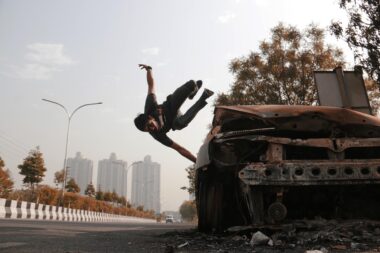
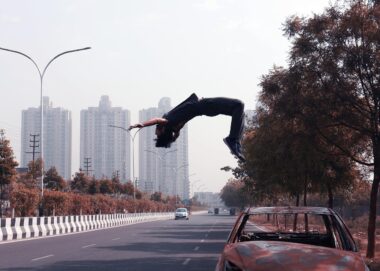
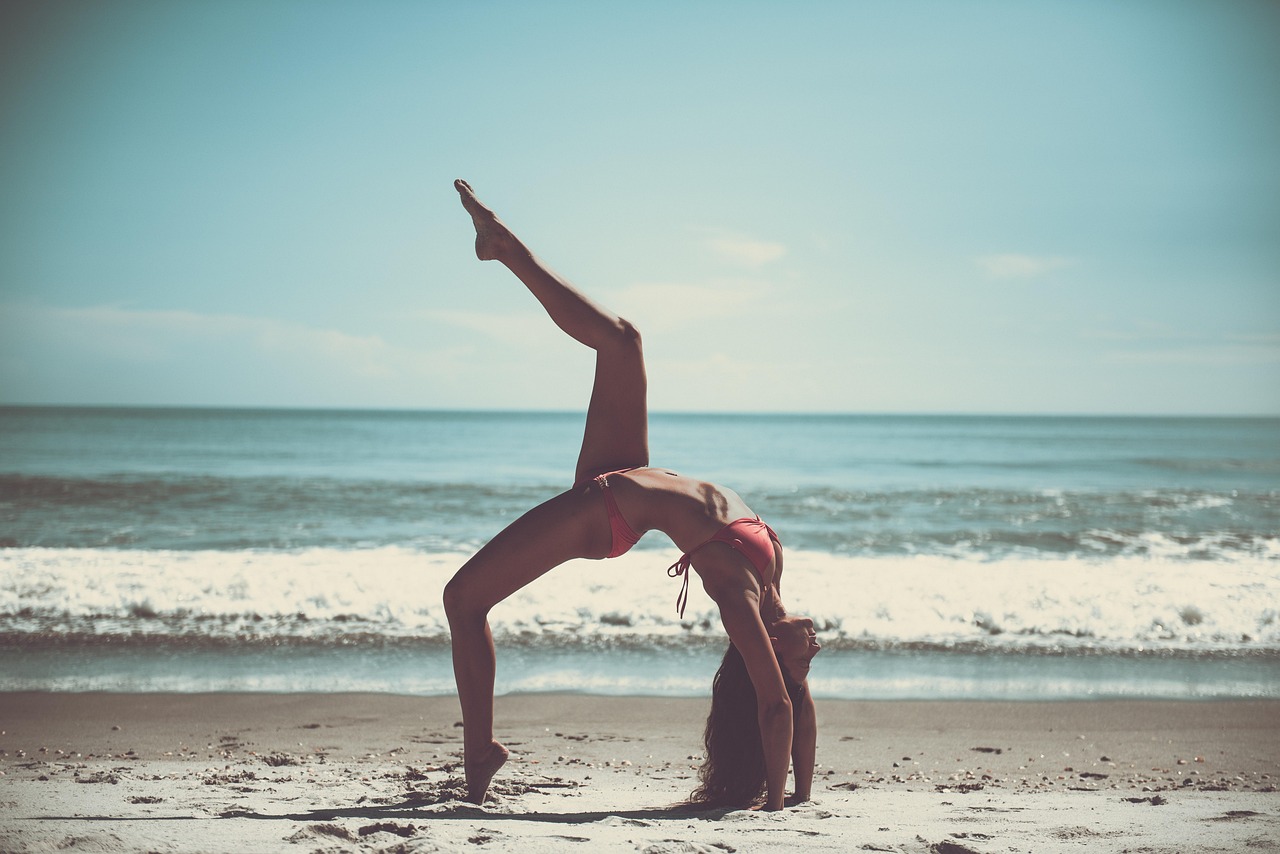
Flexibility training is essential for female freerunners to enhance their performance and prevent injuries. Engaging in parkour requires advanced movement skill, muscle control, and agility. Female athletes need to prioritize flexibility alongside strength training, as this can improve their overall athletic capability. Benefits of flexibility training include increased range of motion, better balance, and reduced muscle tightness. Moreover, it promotes effective coordination, allowing freerunners to execute complex moves with ease. Incorporating stretching routines into regular workouts is crucial. Techniques like dynamic stretching before workouts and static stretching afterward can maximize flexibility gains. Additionally, incorporating yoga can be beneficial for overall body flexibility and mental focus. Female athletes often face unique challenges, including flexibility disparities compared to male peers. Therefore, focused flexibility training can bridge this gap, promoting equality in performance. Establishing a consistent routine—perhaps through guided sessions with a coach—and committing time daily can yield significant improvements. With proper guidance, freerunners can develop a flexibility regimen tailored to their specific needs, enhancing not just their parkour performance but their overall fitness as well. These enhanced abilities enable freerunners to embrace challenges confidently, cultivating invaluable skills.
Different Types of Stretching Techniques
There are various stretching techniques that female freerunners can utilize to improve their flexibility. These include static, dynamic, and proprioceptive neuromuscular facilitation (PNF) stretching methods. Static stretching involves holding a stretch in a challenging position for a given duration, typically longer than 30 seconds. This method is best performed after training, helping to improve flexibility over time. Dynamic stretching, on the other hand, includes active movements that are caused by the swing of limbs to gradually increase the range of motion. This type of stretching is perfect for warming up before a session. PNF stretching is an advanced technique that combines both passive stretching and isometric contractions. By involving a partner or trainer, this method can effectively improve flexibility and strength in targeted muscle groups. Understanding the body’s mechanics is essential as different muscles and joints have varying flexibility needs. Female athletes should consider their individual flexibility goals and work on these methods tailored to their unique requirements. Incorporating a mix of techniques offers the best results, promoting a well-rounded approach to flexibility and performance in parkour activities.
Besides improving flexibility, training can also enhance strength and balance for female freerunners. The physical demands of parkour require robust muscles to absorb impact during jumps and landings. Strong muscles work harmoniously with flexibility to provide better stability while performing complex movements. A rigorous training regime that focuses on both flexibility and strength will create more efficient movement patterns. Resistance training can be combined with stretching exercises, targeting major muscle groups to build strength. Core strength is particularly crucial for control during landing and vaulting. Pilates and strength conditioning programs can enhance core stability while promoting flexibility. Female athletes are encouraged to emphasize performance-enhancing exercises like squats and lunges, which can lengthen the muscles while building strength. Ultimately, strength training must complement flexibility efforts, balancing both aspects of fitness to develop a well-rounded freerunner. Additionally, practicing on various terrains can improve adaptability, as different surfaces may require unique techniques and flexibility levels. Consistent practice in varied environments helps female athletes strengthen their skills, preparing them for unpredictable situations during their parkour endeavors.
Mental Benefits of Flexibility Training
In addition to physical benefits, flexibility training greatly affects mental aspects for female freerunners. Engaging in stretching and flexibility exercises can serve as a form of meditation, allowing athletes to focus on breath and body awareness. This mindfulness aspect enhances emotional wellbeing, helping them stay relaxed and centered during practice or competition. Improved focus can lead to more controlled movements, reducing the likelihood of errors and injuries during challenging maneuvers. Moreover, flexibility training can boost self-confidence by promoting physical capabilities. As athletes notice improvements in their flexibility, they also experience more confidence in performing various parkour tricks and techniques. This confidence translates into a willingness to face fears and engage in difficult challenges. Empowering female athletes to progressively achieve their flexibility goals enhances their sense of accomplishment. This psychological boost can create a positive feedback loop, contributing to continuous improvement and motivation. Creating a disciplined flexibility regimen can encourage female freerunners to remain dedicated and passionate about parkour. Enabling this mental strength aspect helps ensure commitment not just in flexible practices but across all training components.
Incorporating flexibility training into the routine of female freerunners can help reduce injury risks associated with intense training. Tight muscles often lead to strains, sprains, or even long-term injuries that can sideline dedicated athletes. By maintaining overall flexibility, female practitioners can avert these common injuries, ensuring longevity in their parkour journey. Furthermore, improved flexibility leads to enhanced blood circulation. Better circulation delivers essential nutrients and oxygen to the muscles, aiding recovery and performance. Following an effective stretching session, women will likely notice reduced muscle soreness, allowing them to train more effectively. Stretching routines are particularly beneficial when easing back into training after a break, as they help muscles adapt to physical demands again. Over time, a focus on flexibility also improves motor control, enhancing joint stability and protecting against injuries. Acknowledging the importance of flexibility is key for anyone aiming to excel in parkour. Female freerunners should prioritize these exercises in their athletic workouts, fostering resilience in muscle health. By promoting both muscular and joint flexibility, they improve their overall performance, ensuring both enjoyment in the sport and a reduced risk of injury.
Setting Realistic Goals for Flexibility
Female freerunners should set realistic flexibility goals tailored to their bodies’ unique needs and capabilities. Understanding that flexibility varies among individuals is crucial. Each athlete may have different strengths and weaknesses in their flexibility journey, making personalized goals vital for growth. Monitoring progress through regular flexibility assessments can help athletes remain aware of their improving capabilities. Incorporating professional guidance can also provide personalized feedback and training techniques, ensuring that goals are attainable in the long run. Utilizing mobile apps or trainers can help track flexibility progress, motivating female athletes to remain committed to their routines. It is essential for women to visualize their desired flexibility achievements and outline a plan to reach those goals. For instance, breaking down larger objectives into smaller, achievable milestones can enhance motivation and focus. Consistency plays a significant role in improving flexibility. Female freerunners should dedicate a portion of each training session to flexibility work, ensuring its importance in their training schedule. With the right mindset and commitment, female athletes will gradually witness the positive effects of their training, fostering both physical and mental growth in their freerunning endeavors.
In conclusion, flexibility training is an essential element that female freerunners cannot afford to overlook. By prioritizing flexibility in their training regime, they can reap the numerous benefits that come along with improved agility, strength, and injury resistance. Additionally, mental clarity gained through consistent flexibility practices sets a positive tone for their overall approach to parkour. Women in freerunning create a resilient foundation for their performance by focusing on both physical and psychological aspects. Through proactive engagement in stretching routines and integrating them into their athletic regime, female athletes empower themselves to transform their capabilities. They set personal goals while monitoring progress to maintain motivation and engagement. As flexibility enhances both body and mind, these innovative athletes pave the way for a healthier performance. Moreover, the inclusive nature of parkour urges women to embrace individuality in their training. By celebrating their journey toward flexibility and athletic excellence, female freerunners inspire others in the community. In promoting their success and dedication, they create a growing movement that encourages further participation in this exhilarating sport, ultimately strengthening the parkour community.