
The Science Behind Performance in Mud Runs Near Water
Mud runs near water are a unique blend of challenge and fun, emphasizing endurance, strength, and agility. Participants face obstacles that require not only physical fitness but also strategy and mental resilience. Water-soaked terrain greatly affects running performance due to the resistance and slippage, making it essential to adapt techniques accordingly. A successful mud run requires solid preparation, training, and understanding of the environmental challenges. Temperature regulation, hydration, and nutrition play crucial roles in ensuring optimal performance during the run. Proper gear, such as sturdy shoes with excellent grip, is also vital while navigating through mud and water. The psychological aspects of overcoming fears and doubts during such events cannot be overlooked as they considerably impact performance. Runner visibility is hindered, and durability is tested as athletes persist against tough conditions. Effectively planning and pacing becomes paramount in these demanding settings. Visualizing the course ahead and mentally preparing for the hurdles are just as crucial as the physical preparation. Knowing what to expect can significantly influence performance in mud runs, promoting confidence and resilience for a successful experience.
Understanding Physics and Biomechanics
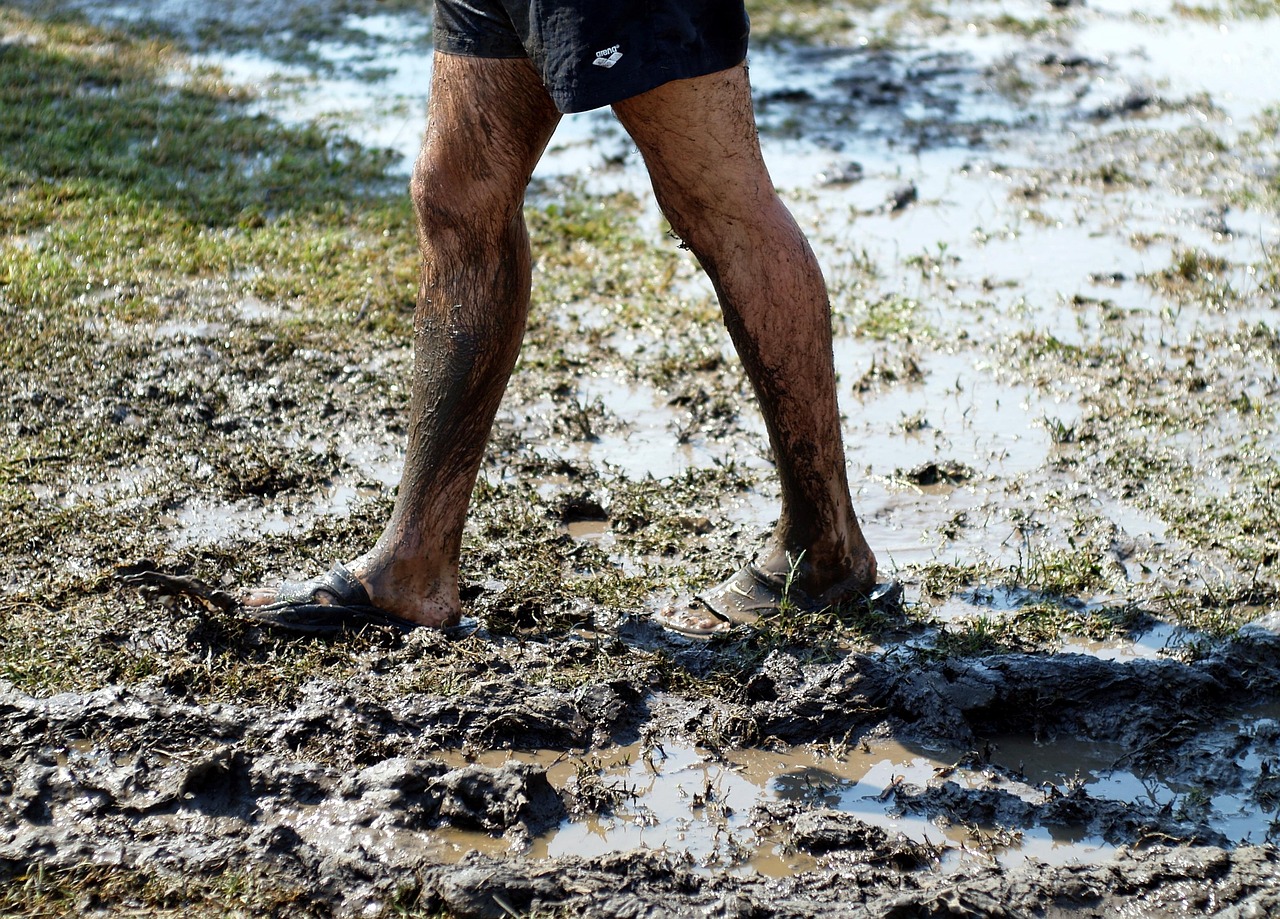
The physics and biomechanics behind mud runs near water relate primarily to body mechanics, drag forces, and friction. When runners navigate through muddy terrain, they encounter increased drag on their limbs, which can diminish speed and agility. The footwear’s design influences how well an athlete can grip the uneven, slippery surface. Participants need to understand how mud affects their body’s center of gravity and stability. Slipping can lead to falls, preventing runners from maintaining that sense of flow, and cadence becomes vital. Proper running form is necessary to optimize energy expenditure in such challenging conditions. Athletes can benefit from strength training to enhance overall muscle engagement. Training with specific focus on leg strength and core stability directly contributes to better performance outcomes. Balancing these aspects while also preparing mentally for the aesthetics and thrill of the mud run can elevate the participant’s experience. Incorporating drills that mimic these adverse conditions in training can prepare athletes adequately for the unexpectedly chaotic race environment. Ultimately, understanding the foundational principles of physics greatly aids in mastering the subtleties associated with mud runs and adapting techniques accordingly.
Nutrition is a critical aspect of performing well in mud runs, particularly ones conducted near water. Athletes must focus on fueling their bodies appropriately before and during the event. Proper hydration is essential in maintaining performance levels. The body loses a significant amount of fluids through sweat, especially in physically demanding conditions such as mud runs. Sports drinks, snacks, and carbohydrate gels can be vital in replenishing lost energy. The ideal pre-race meal should consist of complex carbohydrates, proteins, and lipids. Pre-event meals should be timed well to allow for proper digestion beforehand. Furthermore, during the race, consuming small quantities of quick-release energy sources can help sustain stamina. Participants should practice their nutritional strategies during training to determine what works best for them and minimizes digestive discomfort. Tailoring nutrition according to individual needs can lead to enhanced performance. Consuming too much, or the wrong type of food can lead to cramping and fatigue, negatively impacting performance. Awareness of one’s dietary preferences and restrictions helps in achieving optimal energy levels for such demanding tasks. Overall, proper nutrition does create an impact on performance, making it pivotal to success.
Optimal Gear Selection
The choice of gear can significantly influence performance in mud runs near water. It is essential to select clothing and equipment tailored to resist both mud and water while providing comfort. Lightweight, moisture-wicking fabrics help to prevent unwanted chafing and ensure that participants remain as dry as possible during the run. Waterproof gear can shield runners from excess mud that can accumulate and weigh them down. Footwear selection is particularly critical; shoes with aggressive tread patterns can improve traction on slippery surfaces. Participants should consider minimalist shoes to enhance agility and decrease water retention. Additionally, wearing knee guards or padded shorts can help mitigate injuries from falls or scrapes during the water and mud crossing. Hydration packs are also beneficial as they allow for on-the-go hydration without impeding movement. Participants may choose to wear gloves for better grip and protection against sharp objects hidden beneath the mud. The right gear not only promotes performance but also enhances overall comfort and enjoyment during the race. Understanding the environmental factors can inform clothing and equipment choices, ensuring increased confidence while tackling challenges presented.
A significant aspect that impacts performance in mud runs near water is mental preparation. Maintaining a strong mental game can often mean the difference between finishing strong and succumbing to fatigue or apprehension. Visualization techniques can be powerful tools for runners, allowing them to create a mental image of successfully completing the course. Setting small, achievable goals throughout the race adds to motivation. Positive self-talk can help counter negative thoughts and reinforce confidence. Athletes must also learn to adapt their mindset to the immediate challenges presented by mud and water. Developing resilience, the ability to bounce back from obstacles and setbacks, is crucial because imperfection is part of the journey. Techniques such as deep breathing exercises and mindfulness can help alleviate pre-race anxiety. Building a support system through fellow participants can enhance experience and mental fortitude. Encouragement, camaraderie, and shared experiences foster a positive environment where athletes motivate each other. Ultimately, mental training is equally as essential as physical preparation because achieving peak performance relies on a solid mental foundation, especially in high-stakes situations like mud runs.
Weather Considerations
The weather conditions on the day of a mud run can greatly influence the performance of participants. Rain, sunshine, and temperature all affect the course’s conditions, making it essential to adapt strategies accordingly. Wet weather can create slippery surfaces, increasing the need for cautious pacing and appropriate footwear. Conversely, sunny conditions can lead to dehydration and overheating, prompting runners to prioritize hydration and cooling measures. Checking forecasts before the event enables participants to prepare for unexpected changes throughout the day. Understanding wind conditions can help with the selection of ideal clothing as well. Participants should be trained to handle adverse weather, allowing them to thrive regardless of environmental challenges. Emphasizing the importance of adaptability in training can prepare participants to tackle the unpredictable nature of mud runs effectively. Incorporating weather preparation into training routines ensures readiness for all types of scenarios. By acknowledging environmental factors, runners can make informed decisions that influence their performance positively. Overall, awareness of weather conditions highlights the unpredictability of these events, showcasing the importance of versatility in training strategies and mental fortitude.
Recovery after a mud run is equally important as preparation, significantly influencing future performance abilities. The physical toll inflicted by running through mud and water requires appropriate recovery techniques for optimal healing. Athletes should focus on hydration and nutrition immediately post-race to replenish lost nutrients and fluids. Stretching post-event can significantly mitigate muscle soreness and stiffness. Using foam rollers to aid in myofascial release allows for enhanced recovery and flexibility. Soaking in warm baths, or utilizing ice baths based on soreness levels, mitigates inflammation and encourages repair processes. Adequate rest following a mud run provides the time necessary for physical recovery. Sleep is central to healing; allowing the body to restore muscle fibers and energy stores ensures better performance in subsequent events. Incorporating light recovery exercises, such as walking or gentle yoga, can further enhance recovery processes. Listening to one’s body is vital in determining when to resume more intense training. Taking time to recover not only safeguards physical health but can also bolster mental well-being as athletes can return more confident and invigorated. All of these factors combined create a holistic approach to maximizing performance in mud runs.
Conclusion
Mud runs near water, combining fitness, fun, and challenges, require strategic preparation and execution. Attention to environmental factors such as weather and terrain is vital in shaping performance outcomes. A multifaceted approach to gear selection, nutrition, mental preparation, and recovery solidifies the experience for participants. Training to improve body mechanics, strength, endurance, and agility ensures readiness for these challenging circumstances. Learning to adapt techniques based on changing conditions significantly impacts overall success. The importance of building resilience on mental and emotional levels cannot be understated, forming a foundation for peak athletic performance. Remember that every runner’s journey is unique; adjustments can be made accordingly. Embracing mistakes and learning from them lessons can significantly enhance success for future races. By focusing on these elements and refining practices over time, athletes can elevate their performance in mud runs near water. Engaging in a supportive community fosters encouragement and camaraderie, further enhancing the experience of mud runs. Overall, embracing these complex dynamics transforms how one approaches challenges ahead. The thrill of conquering mud and water creates unforgettable memories while promoting health and fitness.