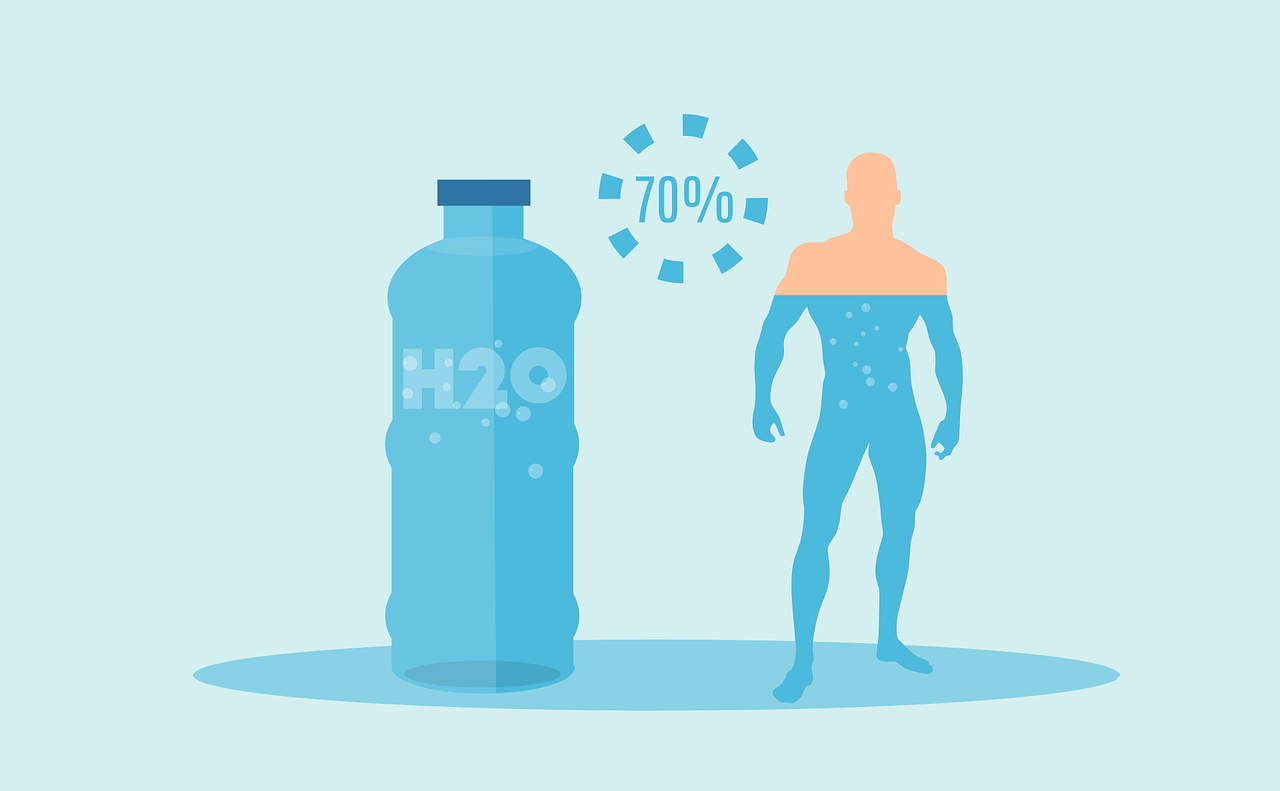

Alcohol and Hydration: Myths and Facts for the Fitness Community
When we talk about hydration, one important factor often gets overlooked: the impact of alcohol. Many fitness enthusiasts believe that consuming alcohol has minimal effects on hydration levels. This myth can be particularly hazardous as it leads to poor choices regarding health and performance. Alcohol is a diuretic, which means it promotes the loss of water in the body. This results in increased urine output and can lead to dehydration, especially if consumed in larger quantities. It’s crucial for fitness overachievers to understand this relationship between alcohol and hydration. Recognizing the magnitude of dehydration not only helps maintain optimal performance during workouts but also supports recovery. A common misconception is that drinking water can completely counteract these diuretic effects. Although staying hydrated is vital, the reality is that alcohol will still significantly influence hydration levels regardless of water intake. Therefore, the next time you reach for a drink, be mindful of how it may affect your body’s hydration status. Taking a moment to understand the science behind alcohol’s influence can empower you to make healthier choices.
When considering alcohol consumption, it’s essential to reflect on the accompanying drinks and mixers. Cocktails, for instance, may contain sugary sodas or juices, further impairing hydration due to their high sugar content. This adds another layer to the complexity of hydration during social events or gatherings. Furthermore, the hydration status of our bodies directly influences performance, recovery, mood, and overall health. Athletes particularly need to be aware of their hydration levels, as they play a crucial role in sustaining energy and endurance. Experts recommend that those engaged in intense physical activities take special care regarding both hydration and alcohol intake. An important factor to consider is the timing of alcohol consumption in relation to exercise. It’s generally best to avoid alcohol consumption close to intense physical activity, as doing so can hinder performance and recovery. After workouts, moderation is key. Alcohol can impede protein synthesis, leading to slower recovery times. Thus, an understanding of the dynamics between hydration and alcohol can lend itself to improved health practices within the fitness community. It’s all about balance and informed choices.
The Science Behind Alcohol and Hydration
Delving deeper into the science, we find that alcohol affects the body’s electrolyte balance, which holds immense significance for hydration. Electrolytes, such as sodium and potassium, are essential for numerous bodily functions, including muscle contractions and fluid regulation. When alcohol is consumed, it leads to an imbalance in these electrolytes, driving the body toward dehydration. This is especially concerning for individuals engaged in rigorous training or physical activities. Dehydration caused by alcohol consumption can result in symptoms such as sluggishness, dizziness, and headaches, all of which can severely affect performance. It’s fascinating to note how even moderate alcohol intake can detrimentally affect hydration levels. Additionally, the unique challenge posed by alcohol’s caloric content should be acknowledged; empty calories can derail dietary goals and undermine your fitness regimen. Those focused on health must find the right balance between enjoying alcoholic beverages and maintaining optimal hydration. Using a sports drink with electrolytes while consuming alcohol may mitigate some of these adverse effects. Ultimately, awareness is the first step in managing hydration effectively.
One sometimes overlooked aspect is the social context in which alcohol is often consumed. Various social settings, like parties and celebrations, can lead to overconsumption. While these occasions are meant to be enjoyable, the challenge lies in navigating alcohol and hydration effectively. Although it’s tempting to down a few drinks during a gathering, being aware of your body’s signals is crucial. For those dedicated to fitness, bringing a water bottle and alternating alcoholic drinks with water can be an effective strategy. This practice can help maintain adequate hydration levels while still enjoying the social aspects of drinking. Another tip is to choose drinks with lower alcohol content. Not only will this help you consume less alcohol, but it will also minimize dehydration. Enhanced hydration strategies, such as consuming a meal rich in carbohydrates and proteins before drinking, can serve as an added defense against dehydration. This ensures that your body has enough nutrients to help counterbalance alcohol’s effects. Staying conscious of these tips fosters better choices, leading to a more balanced lifestyle that doesn’t sacrifice enjoyment.
How Alcohol Impacts Recovery
The relationship between alcohol and recovery is an essential topic within the realm of fitness. Alcohol interferes with the recovery process significantly. Studies show that consuming alcohol after workouts can hinder muscle repair and growth. Intensive training leads to damage within muscle fibers, and recovery offers the opportunity for those fibers to repair and grow stronger. Alcohol consumption can delay this recovery process due to its negative impact on protein synthesis and nutrient absorption. Additionally, dehydration can exacerbate muscle soreness and fatigue, making the recovery process feel longer and more arduous. To truly enjoy exercise, it’s paramount to minimize alcohol’s influence on recovery. Adequate hydration, combined with proper nutrition, will support better muscle recovery. Furthermore, engaging in active recovery methods such as stretching or gentle yoga can further expedite this process. By making conscious choices around alcohol consumption, particularly post-workout, fitness enthusiasts can protect their progress. Not only will this habit keep the body in optimal condition, but it will enhance long-term performance and resilience, leading to happier fitness experiences overall.
Additionally, focusing on the timing of hydration and alcohol consumption is vital. It’s valuable to hydrate proactively, especially during and after workouts, before considering a drink in the evening. Hydration ensures that your body is primed and ready to tackle the day’s challenges. Following a hydration strategy that balances water and any alcohol consumed can greatly enhance overall health. It allows individuals to minimize the adverse effects of alcohol while enjoying some relaxation time. For athletes entering more strenuous seasons or competitions, developing a hydration strategy that includes monitoring alcohol intake becomes even more critical. Tailoring this approach ensures that you best support your body’s needs. Incorporating electrolyte-rich fluids, avoiding excessive heat exposure, and staying aware of fatigue signals can aid in this endeavor. Remember, staying informed about the effects of alcohol can empower you to make sound and beneficial choices. The next time you make decisions surrounding alcohol and hydration, consider how they link to your broader fitness goals. Understanding these principles will only enhance your experience within the fitness community.
Conclusion: Balancing Alcohol and Hydration
Understanding how alcohol affects hydration is essential for anyone invested in their fitness journey. Striking a balance between enjoying social beverages and maintaining hydration is paramount. It’s easy to forget the consequences associated with alcohol, which makes education vital. By debunking myths regarding alcohol’s effects on hydration, fitness enthusiasts can make informed decisions. Moderate your alcohol intake, stay hydrated, and choose wisely when celebrating. As tempting as it may be to indulge, the ramifications on hydration should not be overlooked. Being educated can lead to healthier choices that support recovery, energy levels, and performance. Ultimately, the fitness community thrives on knowledge, collaboration, and support. A shared understanding of the science behind alcohol and hydration allows individuals to guide each other effectively in navigating these challenges. By crafting a healthy relationship with alcohol and hydration, anyone can pursue their fitness goals more successfully. Remember, it’s all about balance: enjoying life while prioritizing health is key. Celebrate responsibly, hydrate wisely, and embrace the journey toward optimal health and performance for a brighter fitness future.
To sum up, alcohol’s effect on hydration is a multifaceted topic that deserves attention. For fitness enthusiasts and dedicated athletes, understanding the balance is not just a best practice but a lifestyle necessity. Educating oneself about hydration strategies and alcohol’s implications can not only prevent dehydration but also enhance overall fitness results. Thus, knowing the right approach is fundamental. Reflecting on personal experiences and social habits allows individuals to identify their unique hydration strategies. It’s essential to create a plan that fits your unique lifestyle, allowing room for enjoyment while still prioritizing primary fitness goals. Make use of easy strategies such as drinking water between alcoholic beverages, and focusing on good nutrition while managing social drinking habits. Creating a culture of conscious drinking and hydration within the fitness community will likely lead to happier and more successful experiences. Thus, combining education with moderation empowers everyone to enjoy social settings while remaining committed to personal fitness journeys. Moving forward, each step taken towards understanding alcohol and hydration is a step towards a healthier lifestyle. Engage with others, share experiences, and continue learning in the pursuit of optimal performance.