
Balancing Exposure During Sunny Rowing Regattas
Capturing the essence of a sunny rowing regatta requires skill and technique, especially when it comes to exposure settings. Photographers should always be prepared for the bright sunlight, which can create harsh shadows and overexposure. The first step is to understand the importance of the golden hour. This time, just after sunrise or before sunset, offers softer light that enhances the quality of images. Be mindful of positioning; shooting in the direction of the sun can lead to silhouettes, while angles with the sun to the side create dynamic shots. The use of polarizing filters can also reduce glare and improve color saturation. One should master manual mode settings on the camera to have complete control over aperture, shutter speed, and ISO settings. High shutter speeds are ideal for freezing action. Experimentation with exposure compensation helps in balancing light levels; it’s a vital technique for shooting on very bright days. Additionally, knowing how to spot meter and lock exposure on the subject can minimize the risk of washed-out highlights. Overall, practice is key for perfecting these techniques, ensuring memorable captures during exciting rowing events.
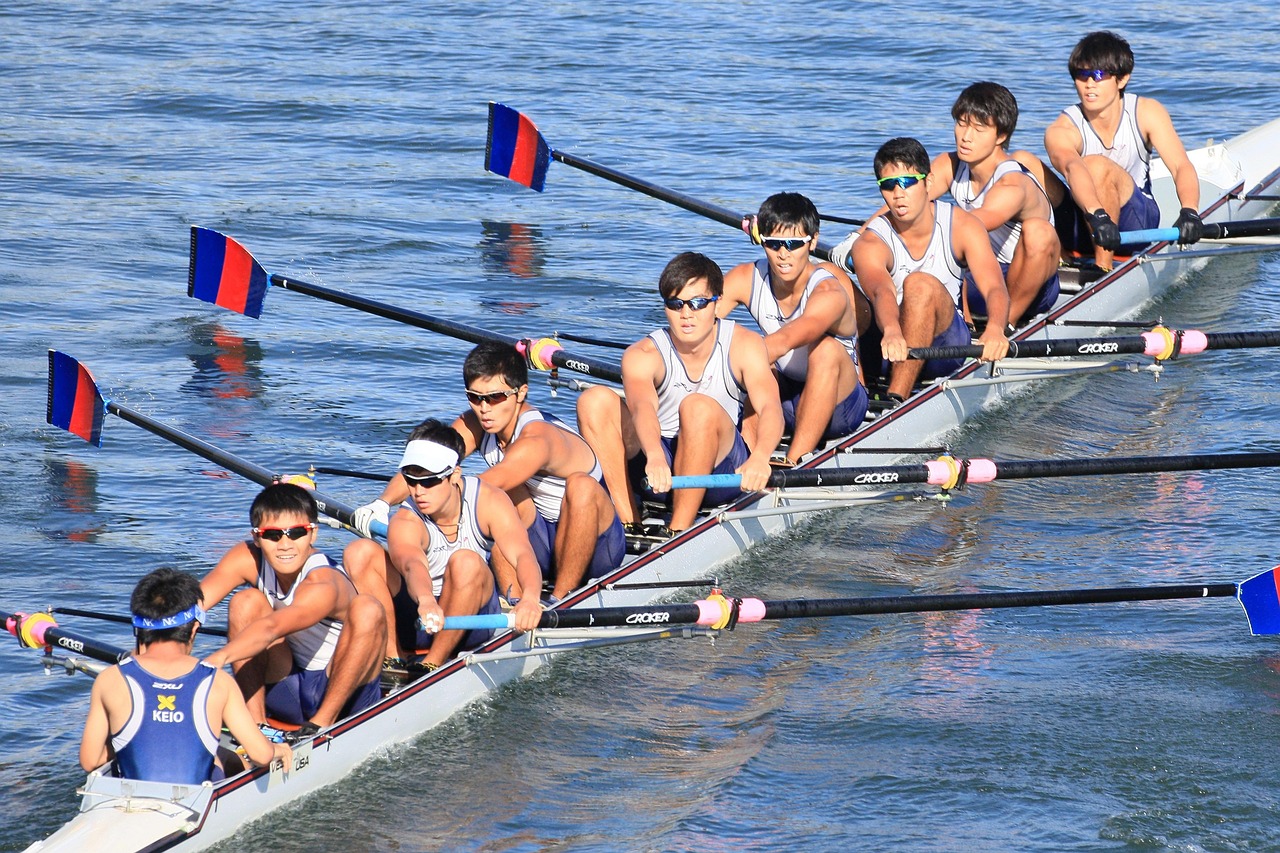
Consider utilizing burst mode for capturing multiple shots in quick succession, which can ensure you get great action shots of rowers mid-stroke or during exciting moments like tight finishes. It’s exemplary for situations where timing is critical as rowers often move quickly, and you want to capture them at just the right moment. Practice timing your shots and anticipating the action can also improve results significantly. Know the course layout, so you can position yourself at the best angles and moments. Choose your vantage points selectively, as different locations can provide distinct opportunities. Utilizing natural features, such as trees or hills, can help frame your shots effectively. Additionally, engaging with the teams will help in understanding the race dynamics, thus allowing you to position your camera optimally for candid moments. When bright sunlight is an issue, consider adjusting your white balance settings to manage color tones and avoid overly warm images. Consistently monitor your camera’s histogram for exposure; it gives you a reliable reference for over- or under-exposure. With these strategies, every photograph can tell a vivid story about the sport and its participants during sunny regattas.
Post-Processing Techniques
Post-processing is pivotal for perfecting the images captured during sunny regattas. Even the best photographers rely on editing software to enhance details and correct exposure issues. Start by focusing on adjusting the exposure levels, bringing back detail in highlights that could have been blown out. Software like Adobe Lightroom allows for robust editing options such as adjusting contrast, highlights, and shadow details. It’s essential to tone down highlights selectively while enhancing shadow areas to reveal depth that may have been lost during shooting. Color correction is equally crucial; ensure that skin tones remain realistic while enhancing the vibrancy of other colors in the frame. Basic cropping can also drastically improve composition, allowing more focus on the subjects while removing distracting elements. Use sharpening tools carefully to maintain image integrity; over-sharpening can lead to unnatural results. Noise reduction techniques can help eliminate unwanted grain, especially in high ISO shots. Don’t forget to create different versions of your images and experiment with various effects, ensuring that they reflect the spirit of the regatta and the effort of the athletes. This thoughtful editing process can elevate your photography significantly.
Networking with fellow photographers and sharing tips and tricks can significantly enhance training and skills. Engaging in discussions about techniques, equipment, and editing styles creates a wealth of knowledge that benefits all involved. Join local photography clubs or online groups focused on sports photography. These platforms often host valuable critiques and feedback sessions that push everyone to improve their craft. Additionally, attending workshops can be immensely beneficial; they offer hands-on learning experiences from seasoned professionals. Always be receptive to learning new methods and experimenting with different styles. This encourages creativity in capturing the dynamism of rowing events. Consider also collaborating with rowing clubs for exclusive access to events where you can practice and expand your portfolio. Providing teams with high-quality images in exchange can help create strong relationships. Being part of the rowing community can offer various unique insights that enhance your understanding of the sport, thus improving your work. Remember, photography is both an art and a science; never stop learning and evolving your skills to keep pace with industry trends. Enthusiasm and continuous improvement will help in capturing stunning imagery.
Equipment Considerations
Having the right photography equipment is crucial for successfully capturing rowing events under sunny conditions. A good quality camera with fast autofocus capabilities is imperative to handle the high-paced action of rowing races properly. DSLRs or mirrorless systems are ideal options as they offer versatility and excellent image quality. Pair your camera with a telephoto lens to capture close-up details of the rowers while remaining at a distance. Lenses with wide apertures are preferable as they aid in blurring distracting backgrounds, thus highlighting athletes prominently. Consider bringing multiple batteries and memory cards; photographing dynamic events can consume a lot of power and storage space. Utilizing a tripod or monopod can stabilize your shots, particularly during long days in the sun. Protective gear for your equipment is essential to ensure items are shielded from unexpected splashes or weather changes. A camera rain cover can be beneficial even on sunny days to protect against unforeseen downpours or splashes from the water. Always scout your location ahead of time to focus on areas that deliver the best shots for the day. The right equipment can make a significant difference in capturing impressive images during vibrant regattas.
Engaging with rowers and spectators can help create a lively atmosphere during events, which is often reflected in the photographs taken. Taking the time to interact with the athletes, families, and coaches can yield fantastic candid moments that highlight the sport’s personality. It’s also an opportunity to understand the stories behind the rowers, which can provide context for your photographs. Do not hesitate to ask rowers about their training routines or experiences, as these conversations can spark inspiration for unique shots. Allowing your personality to shine through can encourage better engagement and trust, resulting in more natural photographs. Seek permission for close-ups or personal shots; respect is crucial when working in the sports environment. Additionally, capturing the emotions of the crowd can greatly enhance the storyline in your photo collection. This means being observant when tensions are high during races to relay the excitement experienced by both participants and supporters alike. By embracing this communal aspect of rowing events, your final images can resonate deeply, portraying not just athletes but the essence of sportsmanship and camaraderie present during regattas.
Final Thoughts on Equipment and Technique
In summarizing the tips and techniques necessary for successful photos at sunny rowing regattas, it becomes clear that both skill and preparation are essential. Mastering your camera’s settings and being aware of environmental factors are key to maintaining balance in exposure. Implementing techniques such as adjusting your position, using filters, and refining post-processing enhances your images profoundly. Furthermore, consistently engaging with community members and rowers enriches the overall experience and influences the outcome of photographs significantly. Always keep an eye on the weather forecast and adjust your plans accordingly to capture the best possible images regardless of outside conditions. Staying in tune with the sport will enable you to capture unique moments that will resonate with viewers long after the race is over. Every photograph has the potential to tell a beautiful story; strive to convey emotions effectively through your images. Continue evolving as a photographer, never hesitate to push boundaries, and attempt new techniques. With determination, perseverance, and respect for the sport, every click of the shutter can encapsulate the thrill of rowing regattas. This dedication will help you achieve stunning visuals that elevate your portfolio to new heights.
Every successful photographer must also consider their personal style when photographing rowing events. Knowing the visual elements that resonate with your audience is key to creating impactful images. Whether you prefer a candid approach that captures raw emotions or a more composed style that emphasizes technical facets, consistency is important. Understanding your audience allows you to tailor your shots to what they find engaging and valuable. It is worth experimenting with various styles during training sessions or practice events to find what works best for you. The more diverse your portfolio, the more compelling it will become over time. Engaging with both amateur and professional photographers will also inspire new ideas and motifs you want to incorporate into your own work. Collaborative projects can also push your creative limits and encourage you to venture out of your comfort zone. One continuous goal should be growth as a photographer and an understanding of the cycling trends within sports photography. With every shoot, aim to elevate your skillset and focus on portraying rowing in a manner that is fresh and dynamic as possible.