
Designing a Push Exercise Circuit for Full-Body Conditioning
Creating a balanced push exercise circuit is essential for achieving optimal full-body conditioning. Push exercises primarily engage the upper body, targeting muscles such as the chest, shoulders, and triceps. This workout routine can be performed anywhere, requiring minimal to no equipment, making it accessible for everyone. Start with a warm-up to prepare your body, including dynamic stretches that enhance blood flow to the muscles. A focused push workout increases strength and muscle endurance, contributing to better overall fitness. You can structure your workout by choosing 3-5 exercises you enjoy and can perform competently. Movements such as push-ups, tricep dips, and shoulder presses should be on your list. Incorporating variations of these exercises ensures muscle confusion and progressive overload, which further enhances strength gain. Set measurable goals, such as the number of repetitions or the duration of each set. This rigorous approach ensures continuous improvement in your fitness journey. Select an appropriate rest interval, typically 30-60 seconds between each exercise. This will help maintain an elevated heart rate, optimizing calorie burn during your session. Always listen to your body and adjust the intensity when necessary.
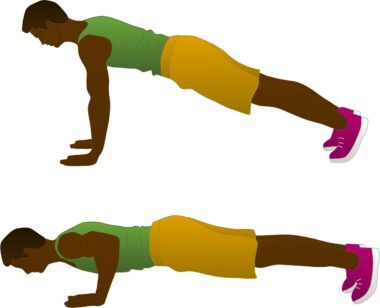
For an effective push exercise circuit, understanding the importance of form is critical. Proper form helps prevent injuries and ensures maximum effectiveness from each exercise. When performing push movements, focus on maintaining a straight body line and activating your core, particularly during push-ups. Your hands should be aligned with your shoulders to enhance stability during the movement. Aim for controlled, slow movements as you lower and raise your body. This allows better muscle engagement and reduces strain on joints. Experimenting with grips or hand placements can target different muscle groups effectively. For instance, using a wider grip during push-ups engages more chest muscles, while a narrow grip focuses on triceps development. Include variations such as incline or decline push-ups to challenge your body in different ways. Additionally, integrating resistance training, such as incorporating resistance bands during push-ups, can significantly enhance strength guidelines. Focus on breathing; exhale as you push away and inhale when lowering your body. This conscious breathing technique contributes to muscle oxygenation and endurance, promoting an effective workout. Reassess your circuit regularly to include new techniques and avoid plateauing in your workouts.
Creating Variety in Your Circuit Routine
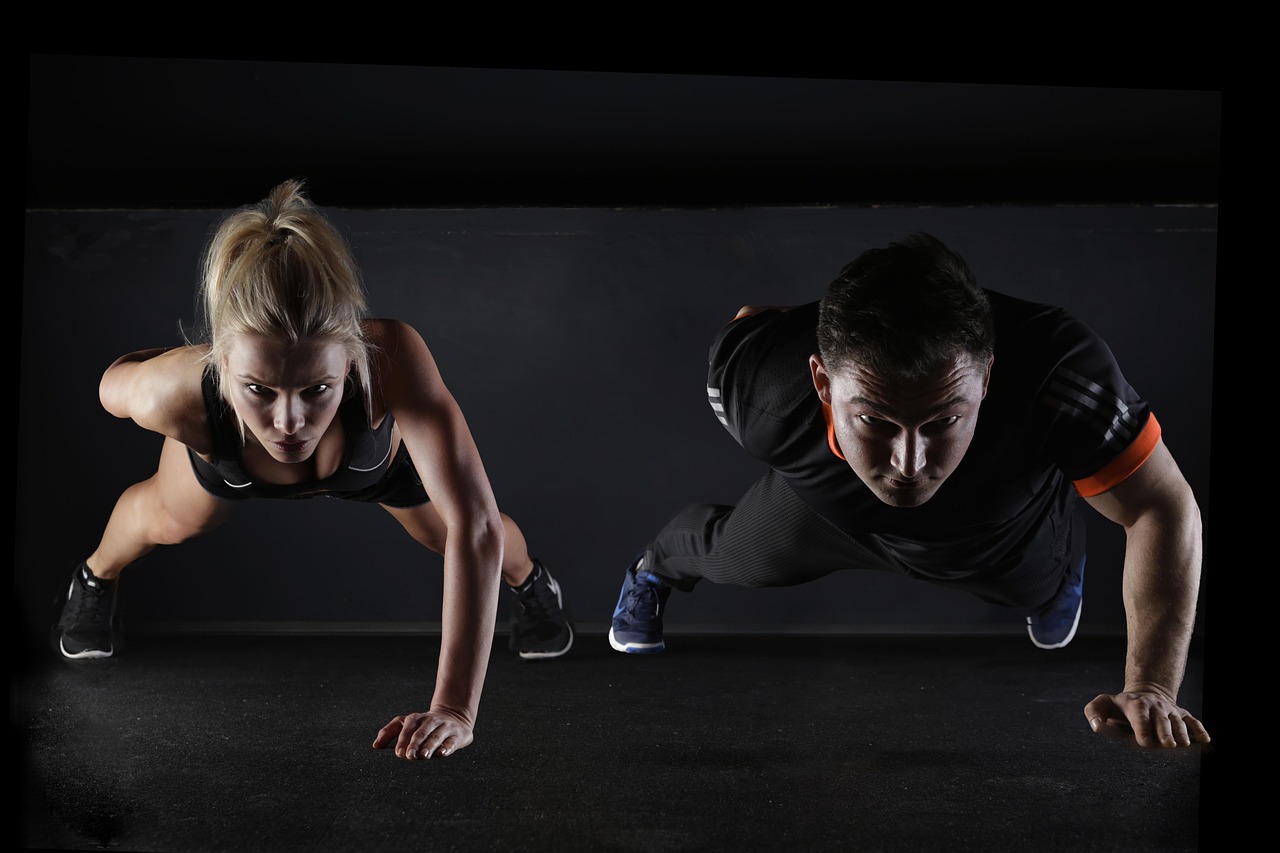
Variety is an important aspect of any effective push exercise circuit. By introducing different variations of push movements, you can keep your workouts engaging and prevent monotony. Start with common exercises, such as traditional push-ups, and gradually include variations like diamond push-ups, one-arm push-ups, and elevated push-ups. Each variation challenges different muscle groups and keeps your body adapting to new stimuli. It’s crucial to include exercises that require balance, like stability push-ups on a stability ball; this enhances core engagement. Alternatively, performing push-ups with a clap can produce explosive power and coordination. Implementing a timed circuit can also be beneficial; for example, allocate 30 seconds to each exercise and move continuously through the set. To track your progress, keep a workout log documenting your repetitions, variations, and any modifications made. Incorporate super sets, where you perform two different push exercises back-to-back, allowing minimal rest. This method maximizes workout intensity and efficiency. Remember, rest and recovery play significant roles in muscle growth; aim for at least one day of rest between push workouts. Cross-training with pull exercises can provide a balanced approach to full-body conditioning.
Furthermore, integrating a push exercise circuit into your routine demands a strategic cool-down period. Ignoring this essential phase can often lead to muscle tightness and inhibit recovery. A robust cool-down serves to restore the body back to its pre-workout state, contributing to overall muscle health and flexibility. Post-workout stretching can aid in preventing soreness and improve your range of motion. Focus on stretches that specifically target the chest, shoulders, and triceps, as these areas are primarily engaged during push exercises. Hold each stretch for at least 20-30 seconds to achieve optimal results. Engaging in yoga or Pilates occasionally can complement your push workouts, enhancing flexibility and balance skills. These disciplines promote core strength and support better body mechanics. Hydration is also key to recovery; supplement your workout with plenty of fluids. Consider replenishing lost electrolytes if your session was particularly sweaty. Nutritionally, consuming protein-rich foods post-workout will facilitate muscle repair and growth. Aim to have a post-exercise meal rich in protein and carbohydrates within an hour of your workout, as this is when your muscles absorb nutrients most efficiently. These habits foster a holistic approach to your training.
Tracking Progress and Setting Goals
Progress tracking is critical in maintaining motivation and gauging improvement in your push exercise circuit. Set clear, achievable goals based on your fitness level and aspirations. Begin with short-term goals, such as increasing the number of push-ups performed or reducing rest time between sets. Long-term goals can involve strength milestones, such as performing a certain number of reps or developing the ability to execute advanced variations, like handstand push-ups. Use a fitness app or a simple notebook to log your workouts, including exercises performed, repetitions, and feelings during each training session. Evaluating this data over weeks or months provides insight into patterns, allowing for better planning. Additionally, consider regular assessments every month to test your limits; this can be achieving personal bests in repetitions or mastering new moves. Better still, connect with a fitness community or enlist a workout buddy to foster accountability and support. Sharing your achievements will motivate you, encouraging consistent participation in the circuit. Remember that fluctuations in performance are normal, and resilience leads to significant progress. Celebrate small victories along the way to maintain enthusiasm and dedication to your fitness journey.
Incorporating lifestyle changes alongside your push exercise circuit enhances overall conditioning. Prioritize healthy nutrition and hydration; both are essential aspects of training success. Fueling your body with nutritious foods can significantly impact energy levels and overall performance during workouts. Focus on a balanced diet that includes whole grains, lean proteins, healthy fats, and plenty of fruits and vegetables. These nutrients will not only support muscle recovery but also boost your overall health. Pay attention to your sleep hygiene as well, since recovery is largely influenced by the quality of sleep. Aim for 7-9 hours of restful sleep each night to repair and rejuvenate your body. Moreover, consider including mindfulness practices, such as meditation or deep breathing, which can help reduce stress and improve focus. Managing stress levels is critical, as excess stress can inhibit peak performance. Consistency is key in integrating these habits; while it may take time to see results, a disciplined approach will yield fruitful results over time. Remember to emphasize enjoyment while working out, as finding pleasure in your push exercise circuit can lead to long-term adherence and growth in your fitness journey.
Conclusion: Commitment to Your Circuit
In conclusion, designing a versatile push exercise circuit for full-body conditioning requires commitment and patience. This workout strategy can challenge your upper body strength while improving overall physical performance. Stay motivated by setting personal goals, tracking your progress, and integrating a variety of push exercises to keep your routine fresh. Prioritizing proper form, the quality of movement, and balanced nutrition is crucial to success. As your strength increases, be open to modifying and experimenting with new variations; this not only enhances your skills but helps prevent workout fatigue. Understand that significant changes take time and dedication, and recognize that fitness is a lifelong journey. Allow your body necessary time to recover and adapt; this will enhance your overall performance. Connecting with like-minded individuals or trainers can provide encouragement and valuable tips to enhance your circuit. Be patient with yourself, and don’t shy away from reaching out for support. Your push exercise circuit can become a powerful tool in achieving your overall fitness goals and enhancing your quality of life. Ultimately, enjoy this journey, and celebrate each milestone on your path to better health.
Just remember that a push circuit is beneficial not only for physical strength but also for mental resilience. Consistency breeds improvement, and commitment leads to change. Keep pushing forward, and embrace the journey to becoming the best version of yourself through your push exercise circuit!