
Essential Gear for Cold Water Swimming Adventures
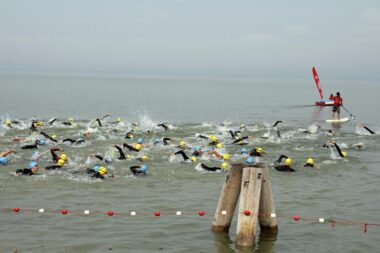
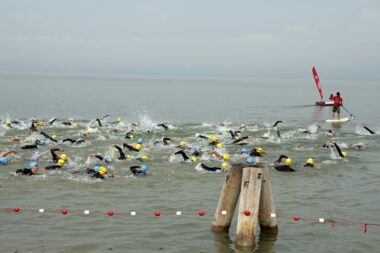
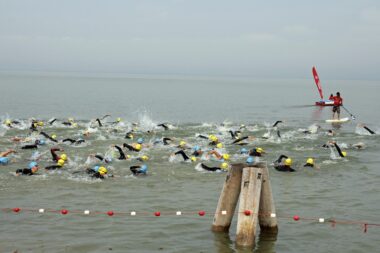
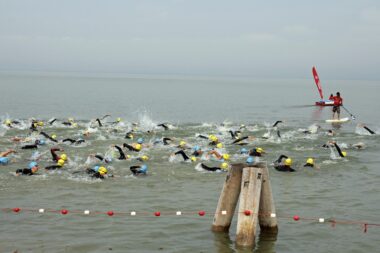
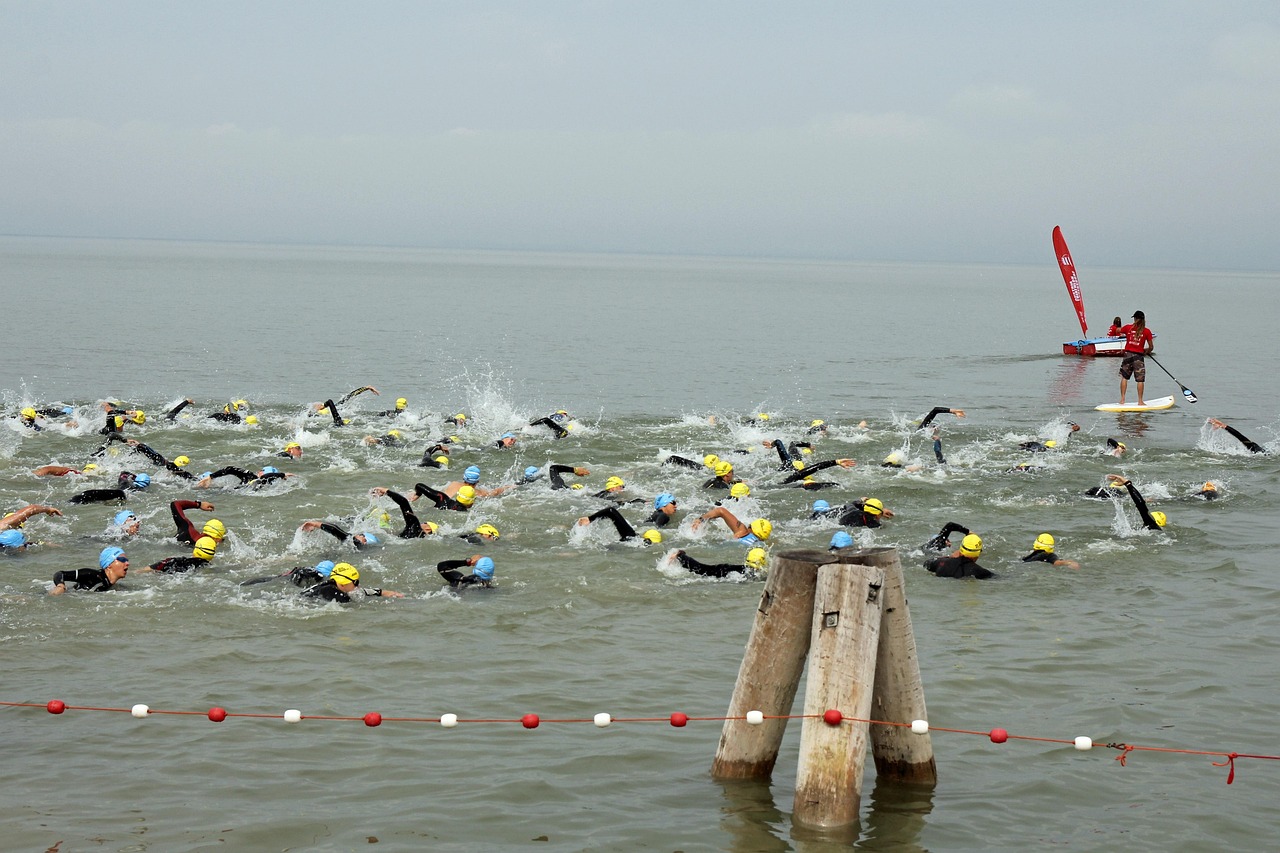
When planning a cold water swimming adventure, having the right gear is essential to ensure safety and enhance your experience. The first item you should consider is a high-quality wetsuit. A wetsuit provides insulation, helping to maintain your body temperature in cold conditions. Look for wetsuits made from neoprene, as they are flexible, durable, and designed to trap heat. Next, consider thermal swim caps. These caps help reduce heat loss from your head, which is crucial as a significant amount of body heat is lost this way. Moreover, swim gloves and booties are vital for protecting your extremities from the cold. They provide an extra layer of insulation and improve grip, making swimming much more comfortable. Don’t forget about safety gear as well, such as brightly colored swim buoys. These buoy devices ensure visibility, keeping you safe from boats and other hazards. Sunscreen should also be part of your gear; even in cold water, UV rays can cause harm. These essentials will make your cold water swimming adventures not only safer but also much more enjoyable and exhilarating.
In addition to the basic essentials, layering is crucial to adjust to varying temperatures when swimming in cold water. Start with a thin base layer or rash guard, which helps wick away moisture while providing an extra layer of protection. This is particularly useful if the temperature varies, as it allows you to regulate your body warmth more effectively. For a mid-layer, opt for thermal swim skins or jackets that provide insulation while still offering flexibility. Combining this with your wetsuit can significantly enhance thermal comfort. Another essential item is a pair of polarized goggles. They help in reducing glare from the water’s surface and provide better visibility. In cold water, it’s also beneficial to use goggles with a wider peripheral view, allowing you to be more aware of your surroundings. Also, consider a swim buoy for safety and added visibility. These inflatable devices not only mark your location but also provide a flotation aid if needed. Lastly, proper nutrition and hydration are essential. Cold water swimming can be physically demanding, so body fuel before and after your swim is necessary for recovery.
Safety Considerations in Cold Water Swimming
Safety should always be a primary concern when it comes to cold water swimming. Always check the water temperature and conditions before entering; temperatures below 60°F (15.5°C) can lead to hypothermia. It’s essential to acclimatize your body to cold water gradually rather than taking a sudden plunge. Start with short swims, increasing duration as your body adjusts. Additionally, always swim with a buddy or in groups. It enhances safety as you can assist each other and makes it easier to react to emergencies. Inform someone on land about your plans and estimated return time. Proper signaling devices or whistles can also be valuable if you need attention quickly. Having a designated point for exit, knowledge of currents, and potential hazards in the water are vital for safety measures. Consider using a swim tracker or personal flotation device (PFD) for extra safety, especially in unfamiliar waters. Remember, being prepared and taking calculated precautions can turn potential risks into a rewarding cold water swimming adventure.
Another aspect that complements your gear is pre-swim preparation and post-swim care. Before entering cold water, engage in a proper warm-up routine to stimulate circulation and prepare your muscles. Dynamic stretches can help mobilize joints and reduce the risk of injury. After your swim, prioritize warming up gradually; this can include dry clothing, a warm drink, and some light stretching. It’s wise to avoid immersion in hot water immediately after a cold swim, as this can shock your system. Instead, wrap yourself in a warm blanket or use heating packs on key areas like your neck and hands until your body temperature stabilizes. Hydration is just as important before and after swimming; cold water can be deceiving, and you may sweat without realizing it. Replenishing fluids is crucial for recovery. A hearty meal packed with carbohydrates and proteins will also aid in replenishing energy and repairing muscles. Remember, preparation and post-swim routines are integral components of your cold water adventure gear.
Cold Water Swimming Drills and Techniques
When participating in cold water swimming, honing your swimming techniques is crucial for efficiency and endurance. Focus on your breathing technique, as cold water can make it feel more challenging. Practice rhythmic breathing to maintain steady inhalations and exhalations. This improves your overall comfort level in the water, helping calm anxiety caused by cold temperatures. Additionally, consider learning specific cold water drills. For instance, integrate short sprints interspersed with rests, which allows your body to acclimatize while preserving energy. Another effective technique is sighting drills. In variable visibility often experienced in colder waters, practice looking forward while swimming to orient yourself better, combining good body positioning with head movement for a balanced stroke. Joining cold water swimming groups or classes can provide additional guidance for perfecting these techniques. Furthermore, learning how to perform effective turns and starts is advantageous for open-water conditions. Mastering these skills will help boost your confidence and performance during cold water swimming adventures, making your experience more enjoyable and rewarding.
As you continue to advance in your cold water swimming journey, consider tracking your progress. Keeping a swimming log can provide valuable insights into your stamina, distance swum, and techniques that are improving. Reviewing your entries will illustrate patterns indicating your strengths, weaknesses, and areas needing focus. You can also share progress with a community of fellow cold-water swimmers, exchanging tips and training techniques. Engaging with others can provide motivation, as you’ll gain access to a wealth of experience through extensive outdoor swimming communities. If possible, attend cold water swimming events to benchmark your abilities against peers in a friendly competition. Many swimming-related apps also offer community support and challenges that can keep your swimming routine fresh and engaging. Remember to celebrate achievements, no matter how small. These milestones can rejuvenate your system and provide the encouragement you need. Lastly, always remember that the journey of cold water swimming is not just about performance; it’s about embracing the challenge and enjoying the thrill of adventure in the great outdoors.
Conclusion
Cold water swimming can be a thrilling experience filled with adventure and excitement when approached with respect and proper gear. From selecting suitable wetsuits to ensuring visibility with swim buoys, the right equipment plays a significant role in maximizing your enjoyment. Remember that safety must always be at the forefront; adhere to safety protocols and stay informed about potential hazards associated with cold waters. Implement effective techniques, focus on pre and post-swim routines, and gradually build your cold water swimming capacity. Tracking progress, engaging with the swimming community, and sharing experiences will foster personal growth while allowing for valuable connections. Don’t forget to revel in the beauty of the outdoors. Ultimately, cold water swimming transcends the simple act of immersing in chilly waters; it’s about forging connections with nature and building lasting memories that you’ll treasure for years. So gear up, embrace the cold, and dive into an expedition filled with unforgettable moments!