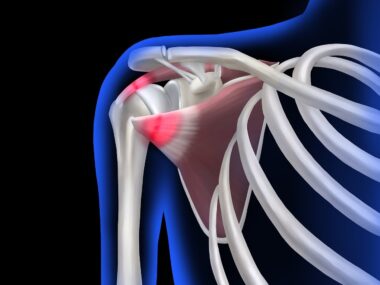

How to Enhance Shoulder Flexibility for Better Performance
Enhancing shoulder flexibility plays a crucial role in maximizing athletic performance. Proper mobility enables better movement mechanics during various activities, from lifting weights to swimming. Moreover, increased shoulder mobility can improve posture, reduce the risk of injury, and facilitate quicker recovery after intense workouts. Here are several methods to help you achieve better shoulder flexibility and overall mobility. Incorporating dynamic stretches into your warm-up routine can prepare your shoulder joints for physical activity. Exercises such as arm circles, shoulder dislocates, and wall slides improve range of motion. Consistency is key in mastering these drills effectively. Consider dedicating time each session to shoulder mobility work. As you progress, pay attention to how your body feels and adjust the intensity of your stretches accordingly. Strengthening the muscles around your shoulders can also support mobility. Rotator cuff exercises, including external rotations and band pulls, help stabilize and strengthen the area. To enhance flexibility further, focus not only on the shoulders but also on the thoracic spine and chest. Breathing techniques can also aid relaxation, allowing for better movement during stretches.
Another effective way to enhance shoulder flexibility is through yoga or Pilates. Both practices emphasize the importance of maintaining mobility and flexibility in the upper body. Poses like downward dog, thread the needle, and cobra can significantly improve function in the shoulders and surrounding muscles. Yoga routines commonly include both static and dynamic stretches, which contribute to overall flexibility. Consider attending a class with a certified instructor who can provide personalized guidance. Additionally, foam rolling and massage therapy can help release tension in the muscle fascia, allowing for increased flexibility. Self-myofascial release can target tight areas in the shoulders, increasing blood flow and mobility. Using a foam roller or massage ball can provide a unique approach to alleviate tightness. Always integrate proper breathing while foam rolling or stretching, as it augments oxygen delivery to tissues, enhancing recovery. Furthermore, monitoring your progress is essential. Keeping a record of your flexibility and mobility can provide insights into areas needing improvement. You can utilize a flexibility chart or take regular assessments. This structured approach can motivate improvement and help maintain a consistent routine towards achieving your flexibility goals.
Common Shoulder Mobility Exercises
Several crucial exercises exist specifically designed to improve shoulder mobility, and incorporating them into your weekly routine can bring significant benefits. Start with the doorway stretch, an effective exercise for opening the chest and stretching the front shoulder muscles. Slowly lean into the stretch, being cautious not to force your shoulders beyond comfortable limits. Another great exercise is the band pull-apart, which targets the muscles responsible for shoulder stability. Holding a resistance band with both hands, pull it outward by squeezing your shoulder blades together. This activity promotes strength as well as flexibility. The sleeper stretch is highly regarded for improving internal rotation. By lying on your side and gently pushing your arm down, you can work on an essential shoulder movement. It is crucial to perform these exercises mindfully, listening to your body and assessing any discomfort. Combining mobility exercises with proper strength training ensures comprehensive development around the shoulder joint. Incorporate a balanced range of weights in your regimen, always maintaining safe lifting practices. Working ideally in unison, mobility and strength provide optimal shoulder function throughout various activities.
In addition to these exercises, hydration plays an essential role in joint health and muscle function. Keeping your body well-hydrated ensures factors such as synovial fluid circulate appropriately within the joints. Therefore, aim to drink an adequate amount of water throughout the day, particularly before and after workouts. Nutrition also impacts flexibility; focusing on anti-inflammatory foods can further drive healthy muscle function. Foods rich in omega-3 fatty acids, such as fatty fish, walnuts, and flaxseeds, can help combat stiffness. Always incorporate a well-rounded diet filled with a balance of proteins, carbohydrates, and fats to promote recovery and performance. Don’t overlook the importance of warm-up and cooldown routines. Warming up adequately prepares your body for intense activity, while cooling down ensures muscle recovery. Each exercise session should start with at least 5-10 minutes of cardiovascular activity followed by dynamic stretching. Similarly, incorporate static stretching during cooldowns after exercise. This combination of movements creates a comprehensive blueprint for shoulder flexibility growth. Finally, patience in your practice will lead to improvement; progress takes time, so embrace the journey.
Monitoring Your Progress
When working to enhance shoulder flexibility, monitoring progress is vital. Commit to regular assessments of your shoulder mobility to keep track of improvements and understand how to adjust your routines. You can perform a few simple tests at home. A straightforward benchmark is to reach your arm overhead and observe how far it extends without pain or strain. Regularly note your progress in a journal, detailing your range of motion over weeks and months. Consider taking videos of your stretching techniques for better visual feedback. This method can reveal inconsistencies in form, allowing for necessary adjustments. Remember that flexibility often improves incrementally; therefore, small, manageable changes indicate progress. Pair this with feedback from trainers or gym partners for additional insight into your progression. They may observe aspects of flexibility you might not recognize. Furthermore, set realistic and achievable flexibility goals for both short and long-term plans. For example, aim to increase your range of motion by a certain percentage over a designated period. These structured objectives guide your training routine, helping maintain motivation during your flexibility journey.
Consistency is a core factor when aiming for significant shoulder mobility improvements. Allocate specific days in your weekly workout plan solely for shoulder flexibility training. Alongside mobility work, ensure you include proper rest periods to allow muscle recovery and prevent overtraining. Stretching should not cause pain; rather, it should feel refreshing and restorative. Among various techniques, try incorporating a mix of active and passive stretching. Active stretches involve moving through a range of motion, while passive stretches are held for extended periods. Both methods will help balance flexibility and strength effectively. Furthermore, during your shoulder training, utilize resistance tools to enhance your routines, such as dumbbells or elastic bands. Proper technique is essential to prevent injuries, so focus intently on your form. Seek professional guidance if uncertain about specific stretches. Moreover, as you advance in strength and flexibility, experiment with different variations of exercises. Making your routine more dynamic will keep it engaging and ensure continuous progress. Don’t hesitate to give your body variety, as this will contribute to improved mobility over time and keep you motivated to achieve your goals.
The Role of Mindfulness in Flexibility Training
Lastly, practicing mindfulness can greatly influence your journey toward improved shoulder flexibility. Engaging in activities that encourage mindfulness, such as meditation or yoga, helps focus on breath control and relaxation, promoting an enhanced physical state. Mindfulness enhances the connection between the mind and body. During stretching routines, concentrate on how sensations feel in your shoulders, appreciating every small gain. Practicing gratitude as you perform exercises can create a positive mental space, motivating further exploration and development. Additionally, visualization techniques can accelerate progress; envisioning your shoulders loosening with every stretch amplifies a positive mindset. Incorporate breath work, ensuring you breathe gently throughout stretches, promoting relaxation. This connection allows increased focus toward flexibility ambitions. Understanding the importance of compliments in mindful training can also positively impact your overall experience. Celebrate small milestones achieved along your journey towards improved shoulder mobility. Keep a journal documenting feelings and observations will amplify positive experiences. Remind yourself how far you have come and how much further you are capable of reaching. This holistic approach to flexibility training ultimately nurtures not just physical well-being, but emotional and mental health as well.
In conclusion, enhancing shoulder flexibility yields essential benefits for various physical activities. Creating a consistent practice that includes various techniques, monitoring progress, and emphasizing the importance of mindfulness will pave the way for growth and improvement. To summarize, implement dynamic stretching in warm-ups, utilize yoga or Pilates, engage in targeted mobility exercises, ensure proper nutrition and hydration, and commit to regular assessments. Allow your variations in routine to maintain motivation while exercising. Additionally, practice patience and gratitude during stretch routines to contribute positively to your progress. Pay close attention to how your endurance translates into elevated athleticism, performance, and strength, optimizing overall body function. Recognize and appreciate the journey you’re embarking upon, understanding mobility takes time and dedication. Furthermore, seek professional advice if you encounter challenges along the way. Engaging a trainer or expert can provide additional insight and strategies tailored to individual needs. Ultimately, as you develop better shoulder flexibility, remember to celebrate achievements, regardless of size. Every positive step influences your overall performance and mobility, allowing you to achieve new heights in your physical endeavors.