
Pilates Techniques to Relieve Office-Related Back Pain
For busy professionals dealing with office-related back pain, Pilates offers a solution that is both effective and manageable. Many office workers tend to sit for prolonged periods, causing tension and discomfort in the back. Pilates focuses on core strength, flexibility, and body alignment, making it an ideal practice to counteract the effects of sedentary lifestyles. Incorporating quick Pilates routines throughout the workday can significantly alleviate back discomfort. Simple exercises such as the ‘Cat-Cow Stretch’ may enhance spinal mobility and relieve tension. Moreover, the ‘Pelvic Tilt’ works on the lower back, providing soothing relief. With just a few minutes dedicated to these exercises, one can counteract hours of sitting. Setting reminders to perform these exercises can be helpful. Utilizing a mat or comfortable surface in the office is sufficient for exercises. As these techniques become ingrained in daily routine, professionals may find an overall improvement in mobility and reduced pain. Remember, consistency is key when practicing Pilates. It’s not just about immediate relief; it’s about cultivating a long-term healthy habit. Regularity will truly transform your experience and enhance your work productivity.
To further benefit from Pilates in the workplace, professionals should consider specific equipment. A Pilates ball or resistance bands may enhance your routine, facilitating deeper stretches and targeted muscle engagement. The utilization of such tools empowers individuals to make the most out of their workout sessions at their desks. Pilates balls, for instance, can be alternated with traditional office chairs, promoting active sitting. This transition not only engages your core muscles but also supports proper posture throughout the day. Resistance bands can add a layer of challenge to common exercises, fostering an environment of continuous improvement. Aside from physical tools, creating an optimum workout environment is crucial. Ensure access to light and well-ventilated areas to practice Pilates comfortably. Taking short breaks to refocus and recharge helps to combat the brain fog often associated with long hours at a desk. Investing time in your physical wellbeing often leads to enhanced mental acuity as well. With a dedicated space for Pilates, professionals can seamlessly incorporate relaxation techniques into their days, fostering both physical and mental resilience.
The Beginner’s Guide to Office-Friendly Pilates
Beginners may feel intimidated by the prospect of starting Pilates routines in an office environment. However, there is no need to worry. Many exercises can be modified to suit the office setting. For example, the ‘Seated Forward Bend’ can be performed from a chair, allowing individuals to stretch their lower back. Similarly, ‘Spinal Twists’ can be executed while seated, promoting spinal alignment without requiring much space. The primary goal of these routines is to counterbalance the compressive effects of sitting. Each of these exercises can be performed in under five minutes, ensuring that even the busiest schedules can accommodate them. Additionally, focusing on breathing techniques during these exercises can enhance stress relief and overall wellbeing. Deep breathing promotes relaxation, reducing anxiety levels associated with stressful job environments. Incorporating mindfulness into Pilates practices can transform these moments into mini escapes from busy work life. Regular practice equips busy professionals with essential tools to manage pain proactively and empowers them to thrive in their respective roles.
Moreover, maintaining a strong core is vital for preventing future back pain. The importance of core stability cannot be emphasized enough in a Pilates routine. Exercises targeting the abdominal muscles, such as the ‘Plank’ or ‘Bridge’, are great ways to ensure a strong core foundation. These movements promote balance and protect the spine, reducing the risk of injury. Furthermore, maintaining flexibility through stretches is equally important. Stretches like the ‘Child’s Pose’ allow for muscle relaxation while providing essential relief after long hours of sitting. Taking just a few minutes to engage in these exercises may yield powerful results over time. To foster an inclusive atmosphere, employers can encourage short group stretch sessions during breaks. This initiative brings awareness to the importance of postural health within organizations, fostering a collective commitment to employee wellbeing. Not only are participants benefiting from physical activity, but they also enhance workplace relationships, creating a more cohesive team. Overall, commitment to practicing Pilates principles cultivates happier, healthier professionals who are empowered to excel.
Developing a Routine
The key to successful pain management through Pilates lies in developing a routine that caters to busy schedules. Consistency is imperative; dedicating just fifteen minutes a day can transform one’s overall physical state. Busy professionals can consider integrating Pilates into daily coffee or lunch breaks, turning downtime into productive self-care moments. Setting aside this small amount of time fosters a habit that not only alleviates pain but promotes overall health. Progress can be gradually increased over weeks or months, as individuals grow more comfortable with each exercise. Moreover, prioritizing well-being should be considered standard practice in today’s corporate environments. The ideal routine focuses on various muscle groups, ensuring a balanced approach is cultivated throughout the week. Incorporating variety within workouts prevents monotony and engages the mind and body, stimulating growth and enjoyment. Furthermore, utilizing online platforms to access guided Pilates sessions caters to diverse preferences and availability, making it easier to follow your fitness journey. Finding community support through classes may keep one motivated, ensuring dedication towards enhancing physical health both in and outside of work.
Staying motivated is crucial in maintaining a healthy Pilates practice and mitigating back pain. Tracking progress can serve as a powerful motivator, encouraging individuals to see their advancements over time. Whether it’s recording improved flexibility, increased stamina, or reduced discomfort, logging exercises provides a tangible reflection of growth. Utilize basic tools such as journals or mobile applications to maintain workout records. Moreover, seeking feedback from trained professionals can provide reinforcement and accelerate progress. Joining Pilates classes may foster a sense of belonging while holding participants accountable to their fitness goals. Choosing to practice with colleagues can also be an innovative way to build team spirit while promoting health. Establishing a Pilates buddy system allows for shared motivation and encouragement when challenges arise. It’s important to remember that while the aim is to reduce pain, the journey should be enjoyable. Embracing the process and having fun with it will yield the best results, and working alongside others makes it more rewarding. Practicing Pilates regularly reflects a commitment not just to individual health, but enhances the wellbeing of the entire workplace.
Conclusion
In conclusion, Pilates is not only a practical solution for busy professionals battling office-related back pain but also a transformative approach to overall health. As offices become spaces of sedentary lifestyles, the need for movement becomes apparent. Investing time in self-care through Pilates can have long-term benefits, fostering resilience while combating workplace challenges. Crafting an individual routine coupled with motivation can enable associates to thrive amidst the pressures of modern careers. Strive for balance between professional responsibilities and personal well-being is essential now more than ever. Achieving this balance requires intentional commitment to physical health and dedication to ongoing practice. The success of Pilates lies in its adaptability to suit personal preferences and accommodate hectic schedules. Continually explore new methods, exercises, and techniques to maintain engagement and motivation. So, whether you wish to take a proactive approach or simply relieve discomfort, Pilates offers valuable tools suited for today’s busy professionals. Recognize the empowering nature of these exercises; they offer the potential to transform day-to-day experiences in the workplace and beyond.
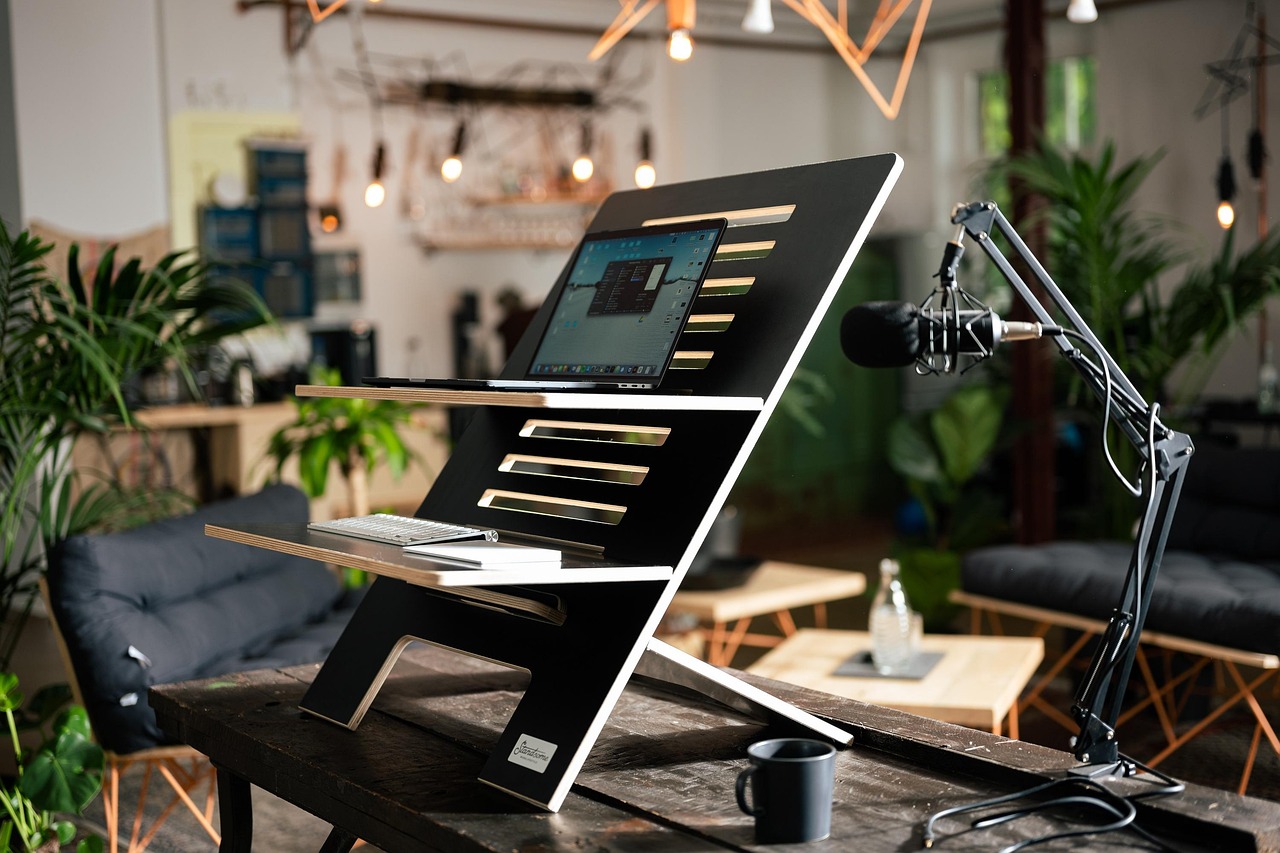
Ultimately, be mindful of your posture throughout your working hours to maximize the benefits of Pilates practice and reduce back pain effectively. Being proactive about ergonomics in your workspace, alongside your Pilates routines, will enhance your comfort and productivity. Consider adjusting your chair to support your lower back adequately, and position your monitor at eye level to prevent strain. A well-thought-out workspace can make significant differences in overall comfort during long working hours. Equally essential, keep hydrated throughout the day, as proper hydration aids muscle recovery and performance. By making these slight adjustments and maintaining your Pilates practice, you promote better long-term health. Building a holistic approach to wellbeing through Pilates will not only relieve immediate discomfort but also empower you to face daily challenges with resilience. Embrace the mindful philosophy of Pilates to enrich your professional life and manage the physical demands imposed by the workspace. Remember, caring for your body is a vital part of achieving success in your career while maintaining personal wellness. With a little conscious effort, integrating Pilates into daily life can lead to a happier, healthier, and more productive you.