
Preparing Your Baseball Team for Tournament Play
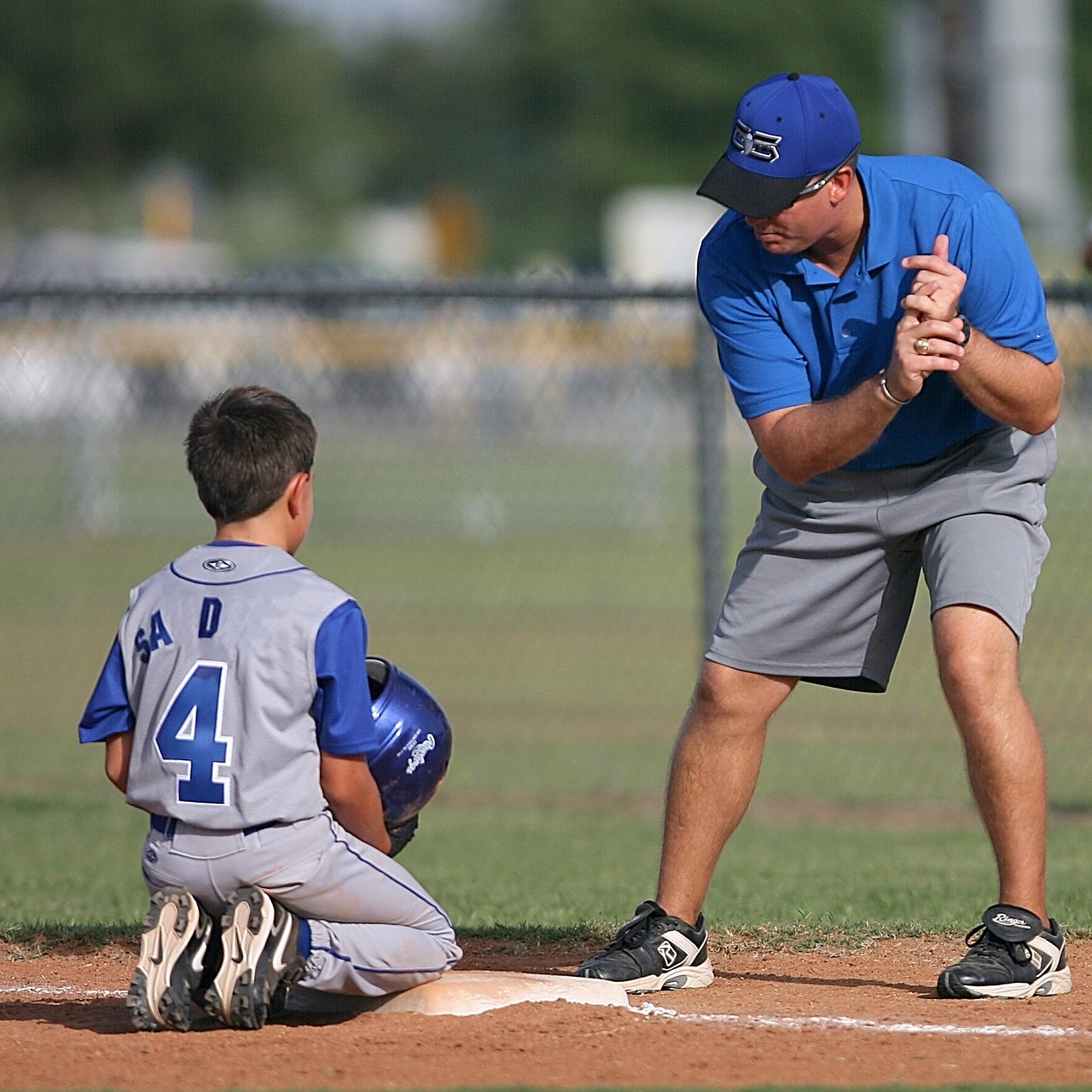
When gearing up for tournament play, strategic planning is essential. It’s crucial to prepare both physically and mentally, ensuring each player understands the game plan. Begin by organizing practices focused on essential skills such as pitching, hitting, and fielding. Emphasize teamwork and communication, vital for success on the field. Each player should know their role and how they contribute to the team. Ensure every practice simulates real game conditions to get players accustomed to the tournament atmosphere. Creating a consistent routine helps athletes feel more confident and comfortable when game day arises. Encourage players to reflect on their individual strengths, and incorporate drills that highlight these abilities. Understanding opponents’ strategies is also key; analyze any video footage available to anticipate their plays. Finally, maintain a strong and positive mindset. Building team spirit and camaraderie will foster trust among teammates during stressful tournament phases. Engaging in team-building activities allows for stronger relationships, translating into better performance. Leadership should be established among players, guiding them through challenges. By creating this holistic environment, your team will undoubtedly be prepared for tournament play.
Physical Conditioning and Skills Development
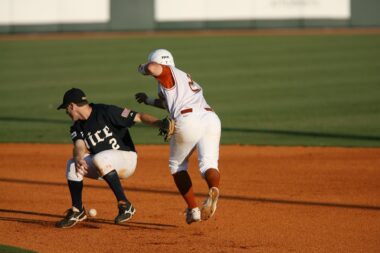
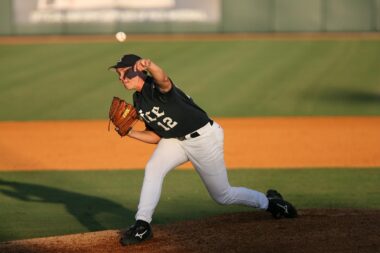
The importance of physical conditioning in baseball cannot be overstated. Effective conditioning prepares players for the demands of a tournament, leading to peak performance. Incorporate strength training focusing on core and leg muscles, aiding in powerful swings and quick sprints. Mix in agility drills to improve quick footwork and reflexes, critical elements in a fast-paced game. Speed is paramount; hence, sprinting exercises should play a vital role in practice sessions. Moreover, balance drills enhance stability, crucial when fielding or throwing. Next, developing baseball-specific skills is necessary, and incorporating batting practices tailored to various pitches can be beneficial. Strengthening pitching fundamentals ensures strong throws, while regular catching routines improve fielding. Consider focusing on situational plays, emphasizing decision-making during critical moments. Encourage players to engage in personal skill assessments and set achievable goals. Also, utilizing technology and analytics to track progress can enhance individual training. Notably, don’t neglect recovery routines, as proper rest is essential for muscle healing and continued performance. By prioritizing both conditioning and skill development, athletes will be well-equipped for tournament challenges.
Mental preparation is equally vital for tournament success. A player’s mindset can greatly influence their performance. Foster confidence within each player through positive reinforcement and constructive feedback. Visualization techniques, such as picturing successful plays, can help reduce anxiety and improve focus. Introducing relaxation strategies, like deep breathing exercises, can calm nervous energy before a game. Encourage players to maintain a routine that promotes a sense of normalcy and control. Consider implementing mindfulness practices, allowing athletes to stay present and engaged during high-pressure moments. Furthermore, emphasize the importance of pre-game rituals, from warm-ups to specific stretches. These routines help athletes mentally prepare and switch into game mode. Educating players about positive self-talk can boost their confidence and reinforce their abilities. Establish a culture where mistakes are seen as learning opportunities instead of failures, encouraging resilience. Team discussions about past tournaments can help identify areas for growth, ensuring collective improvement. Bringing in sports psychologists can provide expert guidance on mental strategies. By equipping players with the necessary mental tools, they’ll approach each tournament ready to excel.
Game Strategy and Playbook
Developing a comprehensive game strategy is fundamental for tournament readiness. Begin by analyzing the strengths and weaknesses of your team to devise a tailored playbook. Create offensive and defensive strategies based on players’ abilities; for instance, whether they’re faster or stronger in specific positions. Implement situational strategies, where players practice responding to various game scenarios. This understanding empowers players to adapt during games rather than relying solely on predetermined plays. Hold regular meetings to discuss and update game strategies, ensuring everyone comprehends their roles. Encourage players to ask questions, fostering an environment of collaborative learning. Monitoring opponents’ past matches can also inform strategy adjustments. Encourage players to think critically by involving them in strategy discussions during practices or meetings. Reporting lessons learned from each game paves the way for continuous improvement. Making time for scrimmages allows the team to practice strategies in a less formal environment. Ultimately, a well-structured playbook combined with flexible strategies can significantly influence a team’s performance in a tournament setting.
Communication, both on and off the field, is paramount in a tournament environment. Establish clear communication methods for different game situations, ensuring players understand each call. Use signals or codes to convey plays and strategies without letting opponents catch on. Practicing these communication methods during training will enhance understanding and execution during a game. Encourage players to maintain open lines of communication, whether providing feedback or cheering on teammates. Emphasizing active listening can prevent misunderstandings. Off the field, regular team meetings and check-ins foster overall team cohesion, allowing players to voice concerns or ideas. Promote a culture where every player’s voice matters, ensuring inclusivity. Utilizing group chats or team apps can streamline communication, keeping everyone informed. Having designated leaders can help direct conversations and provide feedback during games. Team bonding activities, such as outings or team dinners, also enhance relationships and foster communication. Ultimately, strong communication creates unity, enabling players to perform at their best during high-pressure tournament situations.
Understanding Opponents and Competition
Knowing your opponents is integral for tournament success. Study their previous games, focusing on their play styles and strategies. Understanding their strengths allows your team to devise effective counter-strategies. Document key players, noting their abilities and tendencies, which can inform defensive placements. Create scouting reports, outlining vital information on each competing team. Distribute these reports among players so they can digest this information before games. Furthermore, simulation games that mimic likely tournament scenarios can be beneficial. This practice prepares players to respond effectively during actual games. Engage players in discussions regarding opponents’ tactics and how to counteract them. Instilling confidence in your players can turn perceived weaknesses into strengths when facing tougher opponents. Regularly revising tactics based on fresh insights about competing teams can boost adaptability. Encourage your players to watch videos together, sharing insights, and discussing strategies as a team. Such collaborative learning fosters stronger team unity and prepares every member to handle various competitive styles. In essence, a thorough understanding of opponents equips your team for challenges, enhancing overall competitiveness in tournaments.
On game day, ensuring optimal performance requires structured preparation. Start by establishing a game-day routine, allowing players to mentally prepare for their roles in the lineup. This routine can include stretching, warm-ups, and team huddles. Share motivational talks highlighting the importance of teamwork and commitment to the game. Once at the venue, maintaining focus is crucial; enjoy pre-game activities while keeping game goals in perspective. Create a conducive atmosphere that drives home the spirit of competition. Proper hydration and nutrition lead to better performance; remind players to refuel appropriately. A pre-game checklist can help ensure players have all necessary gear, avoiding distractions during crucial moments. After the game, a structured debriefing session is vital for evaluating performances and making necessary adjustments. This practice encourages team growth and enhances individual skills through constructive feedback. Also, celebrate successes, regardless of outcomes, for fostering positive reinforcement. Establish clear goals for the tournament, paving the way for focused performance. With the right preparation and mindset, your baseball team can thrive throughout the tournament.