
The Cultural Significance of Whitewater Rafting in Indigenous Communities
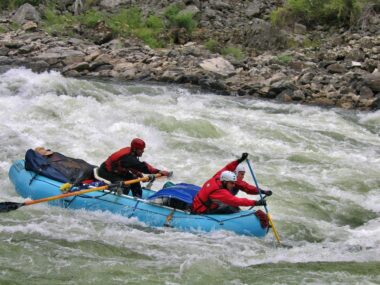
Whitewater rafting is not merely a thrilling sport; it holds profound cultural significance, especially within Indigenous communities. Traditionally, rivers have been viewed as lifeblood—sources of sustenance, spiritual connections, and transportation. This waterway culture connects generations, reinforcing deep-rooted beliefs and fostering community identity. Understanding the role of rivers highlights Indigenous peoples’ respect for nature and their historical engagements with flowing waters. Rafting, as an activity, promotes unity, making it a powerful medium for storytelling, fostering relationships, and maintaining traditions in various Indigenous cultures. It serves as a hands-on way to impart knowledge about the land, guiding younger generations in their heritage and responsibilities. Moreover, through organizing rafting events, these communities showcase their culture to a wider audience, creating awareness and appreciation for Indigenous wisdom and practices. This cultural exchange ultimately aids in preserving their identity and values amidst the challenges posed by modernization. Consequently, rafting becomes an expression of resilience, enabling these communities to connect with their heritage and share their knowledge while engaging with the natural world that sustains them. In essence, rafting is a celebration of life, identity, and community narratives.
Moreover, the environmental stewardship showcased in Indigenous water sports is an extension of their ethos. Through whitewater rafting, communities emphasize river conservation, reflecting a deep respect for nature. The connection between Indigenous peoples and rivers is often viewed through a lens of reciprocity; taking care of the river ensures its bounty for future generations. This bond drives initiatives aimed at protecting aquatic ecosystems, promoting sustainable practices, and advocating against pollution. Rafting provides a platform for engaging with ecological issues, allowing voices to unite against environmental threats. By integrating traditional ecological knowledge with contemporary conservation strategies, Indigenous communities advance their efforts to protect waterways. Such initiatives often lead to the revitalization of local wildlife and plant species, demonstrating the interconnectedness of various life forms within river ecosystems. Furthermore, whitewater rafting nurtures bonds between community members as they work together to protect these vital resources. This involvement contributes to a collective identity, reinforcing the idea that everyone plays a crucial role in environmental stewardship. Thus, whitewater rafting encapsulates a dual purpose: as a thrilling sport and as a celebration of the natural heritage and ecological responsibility ingrained in Indigenous cultures.
Rafting as a Means of Cultural Transmission
Rafting serves an essential role as a means of cultural transmission within Indigenous communities. Through shared experiences on the water, elders pass down stories, wisdom, and teachings to younger generations. This direct interaction fosters an intimate understanding of cultural values and traditions associated with rivers. It allows youth to connect with their heritage on a personal level, promoting respect for their ancestors’ practices. These experiences often include lessons on navigating both the rapids and the complexities of life. Cultural teachings, woven into rafting activities, emphasize resilience, teamwork, and respect for nature. By actively engaging in rafting, younger participants learn not only about their community’s history but also the importance of sustainability and environmental stewardship. Each expedition becomes a narrative, a living history lesson in which participants immerse themselves in their culture. Moreover, this bonding reinforces intergenerational relationships, bridging gaps between old and new. Today, as urban lifestyles encroach upon Indigenous life, these rafting trips become vital in preserving the essence of their traditions. By embracing outdoor adventure sports like whitewater rafting, Indigenous communities ensure that their cultural identities remain vibrant and alive.
In addition, the celebration of Indigenous identity through whitewater rafting is becoming increasingly recognized. Events organized around rafting often draw participation from various communities, celebrating diversity and fostering allyship. These gatherings promote cultural awareness and understanding, inviting non-Indigenous peoples to appreciate Indigenous histories and perspectives. Rafting festivals incorporate cultural exhibitions, traditional music, art, and culinary experiences. Through these events, cultural exchange occurs, offering opportunities to share stories and build connections across communities. This recognition fosters a dialogue that is essential in addressing historical injustices and promoting reconciliation. The celebration of Indigenous identities helps restore pride in their heritage while educating outsiders about the significance of these practices. Furthermore, organized rafting competitions inspire competitive camaraderie, attracting athletes and enthusiasts from various backgrounds. Such interactions contribute to a broader appreciation for Indigenous cultures rooted in environmental stewardship. As awareness expands, the narrative of whitewater rafting transcends from simple recreation to an expression of cultural identity. Thus, rafting not only uplifts community spirit but also supports advocacy for Indigenous rights, highlighting their vital role in stewardship of natural resources.
The Impact of Tourism
Tourism surrounding whitewater rafting can create lucrative opportunities for Indigenous communities. Many Indigenous-led rafting businesses attract tourists seeking authentic experiences, offering tailor-made adventures that immerse visitors in their culture. These enterprises often emphasize ethical tourism, ensuring that a share of the profits contributes directly to the local community. By promoting traditional values and practices, these businesses foster an appreciation for Indigenous lifestyles and perspectives on conservation. Through cultural immersion and education, tourists become ambassadors for Indigenous rights and environmental causes, spreading awareness of the issues these communities face. Such economic opportunities derive not just from adventure activities, but also from promoting storytelling, arts, and crafts, which further support local artisans. However, it is crucial for these initiatives to remain aligned with the community’s values, preventing the exploitation of their culture. Efforts to balance economic gain with cultural integrity are paramount. Indigenous communities must maintain control over how their cultural heritage is represented and shared, ensuring that tourism experiences are authentic and respectful. In this way, whitewater rafting tourism acts as a bridge, connecting diverse groups and promoting mutual growth while preserving Indigenous knowledge and practices.
Furthermore, the stories shared during rafting experiences often highlight significant ecological issues faced by Indigenous communities. This dialogue fosters a sense of urgency for conservation efforts and revitalizes discussions regarding traditional ecological knowledge. Participants gain insights into the historical and ongoing challenges posed by climate change, pollution, and habitat loss. By aligning cultural narratives with environmental advocacy, these rafting activities become platforms for raising awareness about the need for action. Discussions may revolve around local fauna and flora, traditional fishing practices, and signs of ecological distress. Such experiences continually affirm the connection between human actions and the health of river systems. The exchange of knowledge leads to a better understanding of cultural adaptation and resilience in the face of environmental changes. Through these conversations, rafting promotes a holistic view of life, emphasizing that protecting nature is integral to preserving cultural identities. Thus, whitewater rafting serves as a unique conduit for sharing vital information about ecological sustainability while reinforcing community values. By addressing environmental challenges collaboratively, participants cultivate a deeper appreciation for their role as stewards of the land.
Conclusion: The Future of Whitewater Rafting in Indigenous Cultures
As we reflect on the cultural significance of whitewater rafting within Indigenous communities, it is vital to recognize its potential for the future. This adventure sport conveys rich narratives about identity, resilience, and stewardship. Looking ahead, continued engagement with whitewater rafting will be crucial in preserving Indigenous culture amid rapid societal changes. Efforts to promote and support Indigenous-led rafting initiatives are essential to ensure that the cultural practices surrounding this sport thrive. By emphasizing inclusive practices and advocating for sustainability, communities can address the challenges they face now while celebrating their heritage. Future generations must be encouraged to participate in rafting as a means of maintaining cultural continuity and environmental consciousness. Furthermore, as the global community becomes increasingly aware of Indigenous rights and ecological challenges, whitewater rafting will play a pivotal role in fostering alliances and understanding. The narratives shared on the river serve as powerful reminders of interconnectedness and shared responsibility for the planet. Thus, the future of whitewater rafting holds vast potential in bridging cultures and forging paths towards environmental justice, cultural integrity, and mutual respect.
In conclusion, whitewater rafting offers a unique lens through which to appreciate the rich cultural narratives within Indigenous communities. This exhilarating sport connects tradition with contemporary values while reinforcing communal ties. As we advocate for the preservation of these practices, engaging in whitewater rafting becomes an avenue for respecting Indigenous wisdom and fostering ecological awareness. The stories, traditions, and connections made through rafting are vital for nurturing a sustainable future. This connection nurtures the spirit of the land while ensuring that cultural heritage thrives for generations to come. As we embrace outdoor adventure sports, we must remember the stories they tell of resilience, responsibility, and celebration. Each river trip unfolds layers of significance that bind individuals together as they journey through the waters of life. In recognizing the dual role of rafting, we pave the way for inclusive dialogues between Indigenous and non-Indigenous peoples. Rafting doesn’t merely provide thrills; it embodies a deeper understanding of culture and environment. The legacy of whitewater rafting persists, reminding us of our shared responsibility to protect our planet and honor the cultures that have so profoundly shaped its narrative. Together, adventurers and conservationists can continue this enduring legacy.