
Using Hydration Packs vs Water Bottles in Obstacle Course Racing
Obstacle Course Racing (OCR) is a demanding sport that tests physical limits, agility, and endurance. A crucial aspect of performing well in OCR is staying hydrated. Two popular hydration methods are hydration packs and water bottles, each having distinct advantages. Hydration packs offer hands-free hydration, allowing racers to drink while navigating obstacles. On the other hand, water bottles can be lighter, easily accessible, and simpler to refill. When choosing between them, consider the duration and intensity of your race. For longer OCR events, hydration packs can provide a continuous supply, ensuring that you do not risk dehydration mid-race. Additionally, the weight distribution of packs may also enhance balance and stability while running. However, water bottles may be better suited for shorter races where quick sips are needed at hydration stations. Ultimately, your choice may hinge on personal preference, comfort, and experience. Testing both methods during training can help you determine which option best aligns with your racing style and needs. In this article, we will delve into the pros and cons of each hydration strategy, aiding you in making an informed decision.
Pros and Cons of Hydration Packs
Hydration packs are designed to hold water reservoirs, enabling you to sip continuously without slowing down. They minimize the need for frequent stops, thus maintaining your race momentum. Additionally, being able to carry extra supplies like energy gels or snacks can be valuable during long races. Many hydration packs come equipped with adjustable straps that increase comfort and stability. With the inclusion of a hose, you can drink while on the move, making them efficient in maintaining hydration levels. However, one con is the added weight; packs can feel cumbersome if you choose a poorly fitting model. Moreover, they often require more care regarding cleaning and maintenance due to the tubing. Another downside is that they can become warm, affecting the taste of water during prolonged use. Despite these drawbacks, many OCR participants swear by hydration packs for their efficiency and convenience. If you’re considering a hydration pack, make sure to try it extensively before race day to ensure it suits your comfort and repurposes smoothly. Balancing comfort and hydration needs is crucial on race day.
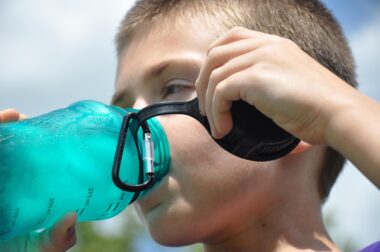
Conversely, water bottles offer distinct advantages for OCR racers as well. They are straightforward—user-friendly and require no special adjustments or fittings, allowing for quick hydration stops during races. Many water bottles feature wide mouths, making it easier to add ice or sports drinks, keeping the liquid cool during hot weather. Additionally, they are often lower in weight compared to hydration packs, which can be beneficial for shorter races. Water bottles can be stashed in your waistband, or they can fit neatly in a small backpack, optimizing space while minimizing effort. Nonetheless, there are some downsides associated with water bottles. For instance, you need to plan hydration stops in advance, which can disrupt your pace, especially during crowded races. Also, the frequency of stops may increase with longer events, which could lead to dehydration if not managed. Moreover, if you drop your bottle mid-race, it can be challenging to retrieve it in a busy environment. Understanding these pros and cons allows racers to choose the most effective hydration strategy.
Determining Hydration Needs
Understanding your hydration needs during OCR is vital for enhancing performance and ensuring safety. Individual requirements can vary based on factors such as climate, race length, and intensity. Generally, it’s recommended to drink roughly 600 to 1,200 ml of fluid per hour. However, this is not a one-size-fits-all solution; some individuals may need more or less depending on personal sweat rates. Additionally, consider your electrolyte levels when planning hydration. In hot conditions, you can lose essential salts, which necessitates taking electrolyte drinks or supplements. Both hydration packs and water bottles can be effective in ensuring that your body receives the necessary fluids. Utilize training sessions to test hydration strategies, noting how various techniques impact your energy levels. It may also be helpful to incorporate some trial-and-error during less intense races to gauge your ideal hydration strategy. Pay attention to signs of dehydration, such as dryness in your mouth, dizziness, or fatigue. Creating a hydration plan tailored to your needs can lead to improved performance and enjoyment on race day.
In addition to the basic strategies, combining both hydration packs and water bottles may be effective in enhancing your OCR experience. For example, a hydration pack can carry most of your supplies while a water bottle serves as a supplementary for quick access during tough segments. This dual approach allows you to leverage the benefits of both systems. Opting for a combination helps in preparing for unforeseen circumstances, as you can adjust on the go based on comfort levels or the environment. Furthermore, pre-race hydration is just as important as hydration during the event. Ensure that you start the race well-hydrated to enhance endurance and stamina. By ‘topping off’ your hydration before the race begins, you equip your body with essential resources. Finding your optimal combination is essential for those competing in OCR regularly. The effectiveness of hydration equipment largely hinges on personal preferences and the unique demands of each race. Listening to your body and adapting your hydration strategy will allow you to excel when tackling challenging courses.
Practical Tips for Best Hydration Practices
Implementing effective hydration practices can significantly influence your OCR experience. First, always practice with your choice of hydration method during training. This testing ensures that you can adapt better to the specific technique, avoiding discomfort on race day. Regardless of the method you choose, do not wait until you feel thirsty; instead, create a schedule for hydration. Sip regularly to maintain hydration levels throughout the event. When using a hydration pack, familiarize yourself with the valve and hose to ensure easy access. Adjust straps to minimize bouncing and maximize comfort, ensuring that you can move freely. Additionally, store electrolyte tablets or energy gels directly in your hydration pack for convenience during long races. If opting for water bottles, choose ones that can securely be attached to your gear or are easy to reach without significant movement. Always remember to stay aware of your environment; during races with obstacles, prioritize safety while drinking. Utilizing these practical tips aids in creating an efficient hydration strategy that keeps your focus where it belongs—on the race ahead.
Choosing between hydration packs and water bottles during OCR does not have to be a daunting task. Understanding the pros and cons, along with analyzing your personal needs and preferences, contributes significantly to making the right choice. Evaluate both options against the demands of your typical races and how each method complements your overall performance. It’s vital to be equipped not only with your chosen hydration system but with the knowledge of how to use it effectively. Whether you’re a beginner tackling your first OCR or a seasoned veteran, ensuring you are well-hydrated can make a remarkable difference in your performance. Keep refining your strategy through training sessions as you find the perfect balance. Establishing consistent practices surrounding hydration will set you up for long-term success. Put your new knowledge into practice and remember that the ultimate goal is to enjoy the journey while achieving personal bests. Regardless of your personal hydration preferences, stay committed to listening to your body, as it will provide critical cues about your hydration needs throughout the race.
Conclusion
In conclusion, effectively managing hydration is essential in Obstacle Course Racing. Both hydration packs and water bottles bring unique strengths, each catering to different needs and preferences. Hydration packs are incredibly practical for maintaining hydration on the move, while water bottles enhance accessibility and ease of use. The choice ultimately boils down to personal comfort and race requirements. Whether your preference leans toward a hydration pack that allows for dynamic consumption or a trusty water bottle that simplifies hydration stops, make your decision with careful consideration during training. Adaptability during races will grant performance benefits, preparing you to face physical challenges head-on. Prioritize hydration planning, keeping an eye on individual needs as you compete in various environments. Both methods can play a pivotal role in achieving your OCR goals, so take the time to understand which method resonates best with your racing style. With proper planning and preparation, hydration will empower your racing experience. So gear up, stay hydrated, and conquer those obstacles while enjoying every moment of the race!