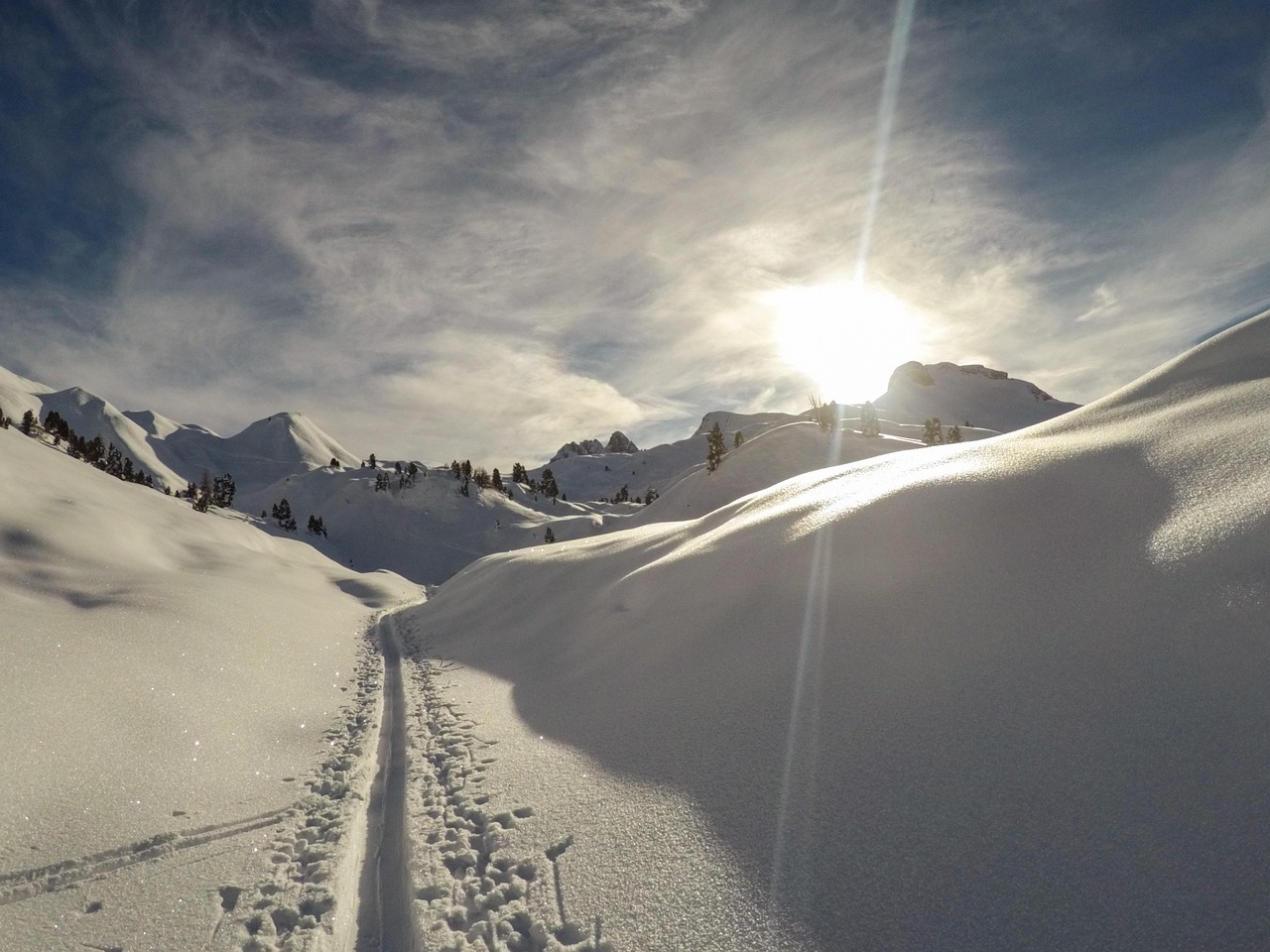

Backcountry Skiing Essentials: What You Need to Know Before Hitting the Trails
Backcountry skiing is an exhilarating experience that connects you with nature while providing thrilling adventures. It effectively combines skill, endurance, and knowledge of the terrain. To venture into the backcountry safely, preparation is key. First, understand that unlike groomed runs, backcountry skiing consists of unmaintained trails, unpredictable weather conditions, and various hazards such as avalanches. Choose an area according to your skill level and conditions. Check weather forecasts, avalanche reports, and local guidelines. Joining a guided tour can be a wise decision for beginners, benefiting from the expertise of seasoned skiers. Assess your physical fitness to ensure you can tackle extensive hiking and demanding descents. Also, make sure to learn vital navigation skills, especially if you are exploring unknown terrain. Creating a plan, communicating it with others, and setting a time for your return are crucial safety measures. Finally, make sure to layer your clothing appropriately and pack adequate nutrition and hydration. Always carry essentials such as a map, compass, headlamp, first aid kit, shovel, and probe to guarantee a safe and enjoyable backcountry skiing experience.
The Gear You’ll Need
Equipping yourself with the appropriate gear is fundamental for backcountry skiing. Essential items include backcountry skis with bindings suited for uphill travel and descent, ski poles, and durable boots that provide ample warmth and support. Opt for lightweight skis designed for easy climbing and agility on varied terrains. Accessories such as avalanche transceivers, safety beacons, and GPS devices guide you and help during emergencies. Protecting yourself from the elements is paramount, so invest in high-quality outerwear and base layers made from moisture-wicking materials. Gloves or mittens, neck gaiters, and goggles further enhance comfort. Don’t forget a backpack, preferably one with straps to hold your gear securely and allow easy access. As you advance in skill, consider more specialized tools. For instance, airbags can significantly improve your chances of survival during an avalanche. Ensure your gear fits properly and is comfortable for extended periods. Regularly check your equipment for wear and tear to maintain optimal performance. Assessing your needs depending on chosen routes can lead to tailored adjustments in gear, allowing for a seamless backcountry experience.
Acclimatization is a crucial aspect to consider when engaging in backcountry skiing. Changes in altitude can significantly affect your body, and understanding how to acclimatize properly helps prevent altitude sickness. Begin your journey by spending a day or two at higher elevations, allowing your body to adjust to reduced oxygen levels. Drink plenty of water and maintain a well-balanced diet to support your body during this transition. Engage in light physical activity, such as short hikes or skiing on easy slopes, while acclimatizing to avoid overexertion. Pay close attention to any symptoms you may experience, such as headaches, shortness of breath, or dizziness, and make the necessary adjustments. If symptoms worsen, it is crucial to descend to a lower altitude immediately. Always be aware of your limits and listen to your body. Having a buddy system encourages accountability when monitoring each other’s well-being while skiing. Educating yourself about the signs of altitude sickness can prepare you to act swiftly in an emergency. Prioritizing acclimatization and safety will ensure your enjoyment and success in backcountry skiing.
Navigating the Terrain
When it comes to backcountry skiing, navigating the terrain plays a pivotal role in your overall experience. Familiarize yourself with topographical maps, which help understand the lay of the land before embarking on your adventure. Analysis of potential hazards, such as cliffs, steep slopes, and tree wells, is crucial as you plan your route. Utilizing navigation tools, including GPS devices and smartphone apps, can enhance your ability to stay on track and monitor your location effectively. Off-trail skiing requires keen observation of snow conditions, as variations can dramatically impact your ability to ski smoothly. Always be alert to signs of unstable snow or avalanche risks, like recent slides or cracking. Make decisions based on your skill set and comfort level, opting for conservative routes if you’re unsure. Consider sticking to areas with established trails or popular routes where other skiers have gone before. Working as a team can assist in making decisions about route selections and shares vital information quickly. Last but not least, always have an exit strategy, allowing for safe descents and ensuring a smooth return to your base or vehicle.
Weather conditions in the backcountry can change unexpectedly and dramatically, impacting your skiing experience. Before embarking on your trip, examine weather forecasts that include current conditions and any alerts for storm fronts or high winds. Pay attention to sudden temperature drops and precipitation types, which can alter the snowpack and increase avalanche risks. Always consider packing additional layers to adapt to changing temperatures; layering helps regulate body heat effectively while avoiding sweat buildup, which can ultimately lead to chills. Utilize apps and websites that monitor weather conditions in real-time to stay informed on shifting situations. Always share this information with your skiing companions to ensure everyone’s safety. When out in the field, regularly assess conditions, recalibrating your plan as necessary. A clear understanding of the potential for inclement weather can instill a cautious mindset when evaluating your surroundings. Remember, when in doubt, it’s safer to delay or cancel your plans than put yourself at unnecessary risk. Developing a reliable weather observation routine builds confidence and ensures a safer backcountry skiing experience overall.
Importance of Avalanche Awareness
Avalanche awareness is an absolute necessity for anyone venturing into the backcountry. Understanding avalanche formation, recognition, and safety techniques is crucial. Always be vigilant of the avalanche forecast and daily updates, as this determines your route decisions. Take a course on avalanche safety that covers topics like snowpack analysis, recognizing unstable layers, and employing rescue protocols in case of an incident. Recognizing signs of potential avalanche danger, such as recent weather changes or visible cracks in the snow, will prepare you to make sound decisions. Additionally, understanding the ‘Avalanche Triangle’ provides insight into the dynamic factors that contribute to avalanche occurrences: terrain, weather, and snowpack. Equip yourself with essential avalanche safety tools, including transceivers, shovels, and probes, to ensure preparedness in case of emergencies. Practicing with these tools on a regular basis can maximize your proficiency. Always have an emergency plan, complete with designated meeting points, to assist in managing complex situations. Developing avalanche awareness calls for situational consciousness, including reading the slope and snow conditions with discretion. Knowledge and vigilance can improve the likelihood of a safe and enjoyable outing while backcountry skiing.
As you delve into the exhilarating world of backcountry skiing, it’s essential to emphasize the importance of continual learning and growth. Seek out experienced mentors, partake in workshops, and engage with communities that share your passion for skiing. By connecting with other backcountry skiers, you can exchange tips, strategies, and experiences that enrich your understanding. Local ski shops often offer guided tours and clinics, allowing you to learn from seasoned professionals. In addition, online forums and social media groups can serve as platforms for advice and camaraderie. Striving for improvement contributes to your overall safety and enjoyment. Practice specific skills regularly, such as navigation techniques and avalanche drills, building your confidence in various situations. Consider branching out into other winter sports, such as snowboarding or snowshoeing, as these experiences enhance your adaptability and deepen your appreciation of nature. Embrace each opportunity to explore new mountains and terrains, applying your acquired knowledge while listening to your instincts. Ultimately, passionately engaging with the backcountry skiing community will enrich your experiences and contribute to a lifelong love for the sport.