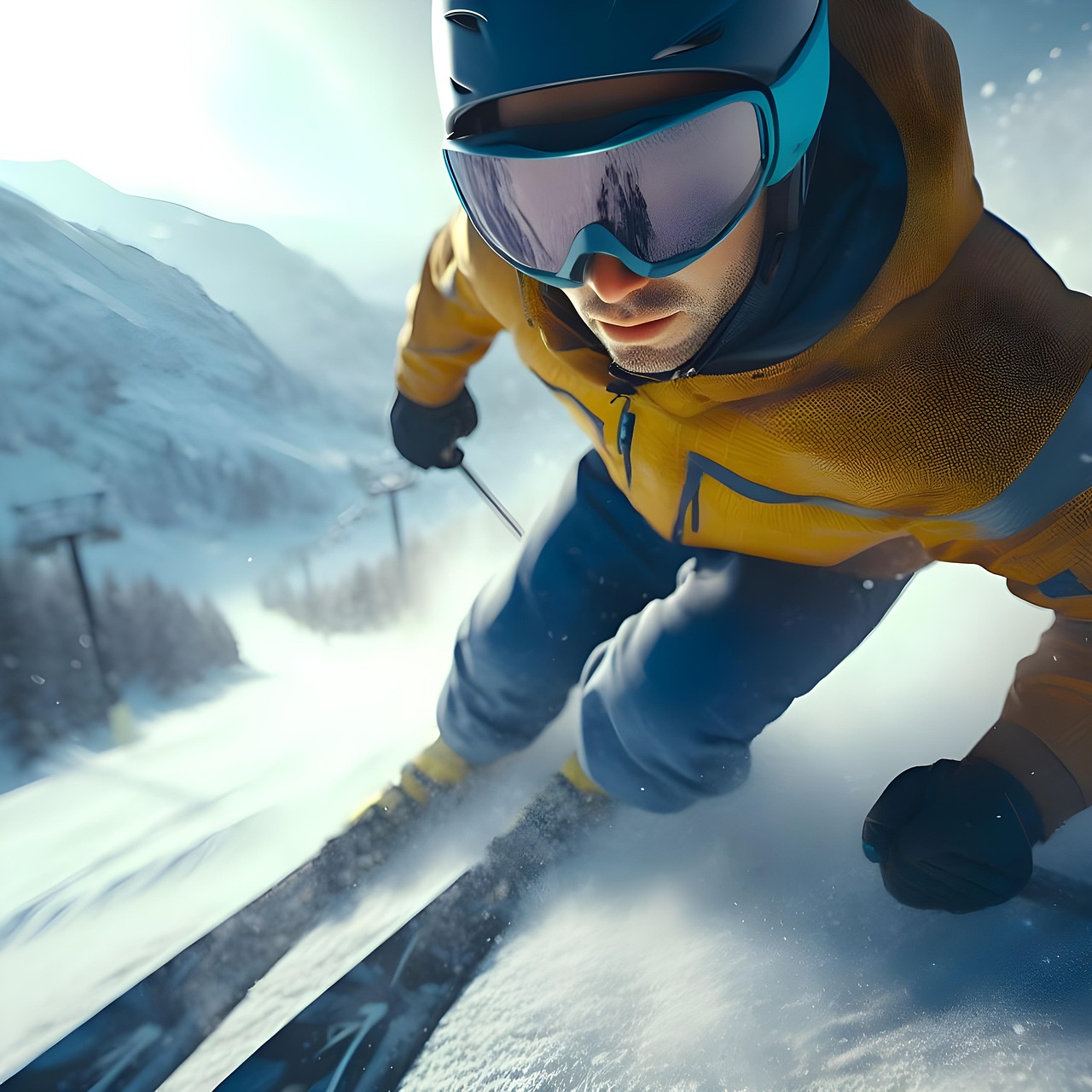

Balancing White Balance for Accurate Snow Representation
Winter sports photography poses unique challenges, especially when it comes to capturing the natural beauty of snow-covered landscapes. Snow’s bright, reflective surface can trick cameras into misjudging colors, leading to distorted images. A key aspect of overcoming this challenge is understanding and balancing the white balance settings. White balance adjustment ensures that the snow appears in its true, pure white form. By accurately performing this adjustment, photographers can prevent an undesirable bluish or yellowish tint that often plagues winter images. Learning to manually set the white balance according to lighting conditions can help achieve the most authentic representations of snowy scenes. In varying conditions, such as bright sunlight or overcast days, different settings may apply. It is essential to familiarize yourself with the respective measures that each camera offers. Also, using a gray card can help in achieving precise adjustments when capturing snow scenes; this tool allows you to gauge the surrounding light’s temperature effectively. Understanding these principles leads to improved results, captivating viewers with the true essence of cheerfully glimmering, snowy terrains entrenched in the beauty of winter sports.
To effectively manage white balance during winter sports photography, a few technical strategies can be applied. Begin by experimenting with your camera’s presets; these include settings like ‘Daylight’, ‘Cloudy’, or ‘Shade’. Each setting is designed to adapt to specific lighting situations. For instance, if photographing under the bright midday sun, utilizing the ‘Daylight’ preset may be beneficial. More challenging is when the light transitions throughout the day; discovering how to adjust settings on-the-fly becomes crucial. Additionally, adjusting the Kelvin temperature manually allows for more precise control. Generally, temperatures between 5500K to 6500K are ideal for capturing vivid snow without skewed colors. Post-processing offers the potential to fine-tune white balance as well, though achieving the best shot in-camera is always preferred. Furthermore, shoot in RAW to maintain the most detail during edits, providing you with additional latitude in color corrections. When commencing shoots, make it a habit always to check the white balance settings and make necessary adjustments. Always watch for color casts in snow to ensure it remains the stunning focal point that it should be.
Utilizing Exposure Compensation for Better Results
Another integral aspect of ensuring accurate color representation in winter photographs includes the use of exposure compensation adjustments. With bright snow enveloping the landscape, cameras can often underexpose images as they try to balance the overwhelming brightness. Applying positive exposure compensation is essential to prevent snow from appearing overly dark. A typical rule is to start with a +1 exposure correction, but testing different settings is encouraged. You’ll initially underestimate the impact of this adjustment until you see comparisons between images shot with varying exposure levels. Thoroughly examining histogram displays will enable you to gauge the effectiveness of these adjustments. Additionally, when shooting, consider the angle of the light and how it contrasts with snow’s natural reflectivity. Overexposure with too much light can wash out detail, while underexposure can create unwanted shadows. Balancing these two extremes brings out the texture in the snow and the essence of the winter environment. Implementing these exposure strategies ensures that images align more closely with how the human eye perceives snowy landscapes, leading to more dynamic and engaging photography.
Preparation ahead of time is invaluable for achieving immaculate winter snow photos. Familiarize yourself with your camera’s manual settings and learning if they include a built-in histogram display. This feature offers essential insights into your exposure and white balance. A histogram visually represents the tonal range of your image, indicating whether details are lost in shadows or highlights. Print out notes regarding the most effective settings for various lighting scenarios to bring along as handy references. Another essential practice is to conduct test shots upon arriving at your location, allowing for adjustments as circumstances shift. A pro tip is to create a white-balance reference before you start capturing photos. This can be achieved by taking an image of a white object in the same light conditions; using it as a comparison point during edits can streamline post-processing efforts. Travel with spare camera batteries, as the cold can quickly deplete their lifespan. Ensure that equipment is protected from moisture and frost, such as utilizing weather-resistant gear or sturdy camera bags. By prioritizing preparation, you can position yourself for success through various winter conditions.
The Role of Light in Photographic Composition
Light plays an essential role in winter sports photography and can significantly affect white balance and exposure. When positioned correctly, sunlight can illuminate snow with an appealing luster that emphasizes textures and patterns. Early morning and late afternoon, often referred to as the golden hours, are prime times for capturing soft, warm light, enhancing the purity of the snow in photos. Conversely, midday light can create harsh shadows and washed-out colors, necessitating a balance in adjustments. Pay close attention to the sun’s angle and how it interacts with the landscape; side-lighting often reveals dimensions within snow formations, creating a sense of depth and interest. In cloudy or inclement weather, a different approach may be necessary; adjust settings accordingly, using a tripod for stability to mitigate the risks associated with lower light. Additionally, artificial lighting, such as flashes or reflectors, can help augment footage during low-light scenes. Analyze how colors appear in the shade and direct sunlight, continuing to refine your techniques based on environmental factors. Armed with techniques and a greater understanding of lighting, the results can become even more compelling.
Post-processing plays a vital role in achieving the final look of your winter sports images, especially concerning white balance. With software tools like Adobe Lightroom or Photoshop, photographers can enhance their snow shots significantly. Begin by checking the overall exposure and ensuring that no details within the snow are lost. Following this, utilize temperature sliders to make subtle corrections to your images, allowing for precision adjustments. Removing color casts and fine-tuning the balance grants you greater control over achieving authenticity in representing snowy scenarios. Consider employing the adjustment brush to target specific areas that require attention; this method is effective in isolating snowflakes or segments of snow drifts that might dull against a blue sky. Moreover, cropping can help enhance your composition, directing focus where needed. Double-check your editing with a fresh perspective; stepping away for a while can reduce desensitivity to over-processed images. Once satisfied with the final captures, explore sharing your work on social media platforms, allowing your stunning winter photography to inspire others to appreciate the beauty of winter sports through the lens.
Final Thoughts on White Balance
Ultimately, mastering white balance for winter sports photography is an essential skill that can elevate your images from ordinary to extraordinary. Understanding how color perception varies under different lighting scenarios will empower photographers to make informed decisions before and during their shoots. Whether striving for a pristine white landscape or capturing the abundance of textures in the snow, utilizing the right combination of techniques ensures success. Practice regularly, experimenting with various settings until they become second nature, allowing you to focus more on composition and creativity. Moreover, understanding your equipment and how it interacts with light and snow creates a library of knowledge you can draw from as experience increases over time. Remember to engage with local photography communities or forums as well for collective insights; learning from others’ experiences often illuminates new techniques and tricks. As you embrace these photography tips, your ability to portray winter sports and the beauty of snow will reach new heights, creating visually breathtaking narratives for viewers. Never forget to have fun while shooting; this enthusiasm reflects in the quality of your work.
With the right approach, your winter sports photography can truly stand apart. Explore the outdoors and engage in snow-covered mountain settings while honing your craft, as there’s an invigorating joy in capturing these moments. Build a portfolio that reflects this vibrant style, showcasing not only the action of winter sports but the enchanting allure of snow environments. Whether photographing skiers mastering the slopes or serene snow-covered landscapes, your skill will shine through. Each frame tells a story; develop techniques that resonate with viewers, drawing them into the world of winter sports. Take the time to appreciate every aspect of your surroundings; this mindfulness can assist in achieving the perfect shot, considering both the intricate details and broader scenery. Challenge yourself to capture varying perspectives and compositions as you progress. Don’t forget to continually assess how you manage white balance, exposure, and light. All these factors work cohesively to elevate winter photographs to their fullest potential. With continued dedication, the remarkable results will speak for themselves, inspiring others to connect with the magic of winter sports through your photography.